Seed Cycling for Fertility: Evidence Behind the Trend

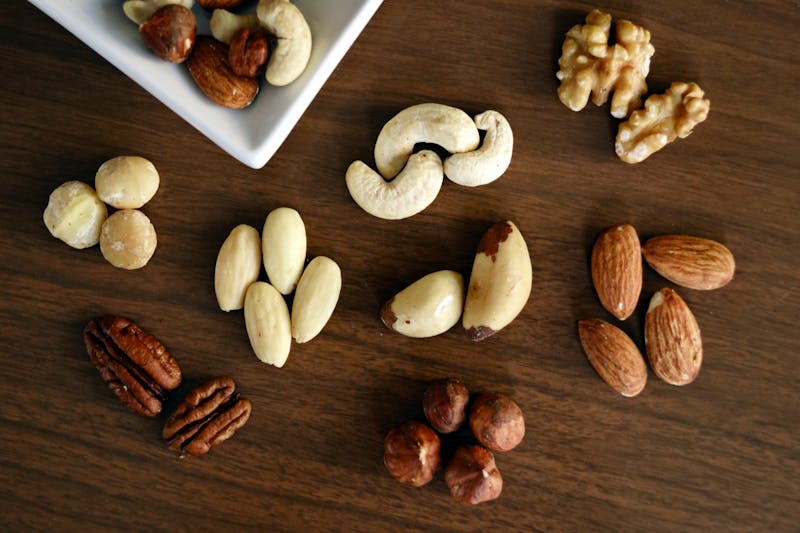
Scroll through any TTC or fertility wellness account on social media and you will eventually come across seed cycling: the practice of eating specific seeds during different phases of your menstrual cycle to balance hormones and support fertility. The posts are beautifully photographed, the testimonials are compelling, and the logic sounds intuitive. But does eating a tablespoon of ground flaxseeds during your follicular phase and switching to sesame seeds after ovulation actually do anything meaningful for your hormones or your chances of conceiving?
The honest answer is that the evidence is mixed and mostly indirect. There are no published clinical trials that have directly tested seed cycling as a fertility intervention. However, there is legitimate research on the individual nutritional components of the seeds involved, and some of that research is relevant to hormonal health and reproduction. The nuance lies in distinguishing between what we know about these seeds individually and what we can reasonably conclude about the practice of cycling them in sync with your menstrual cycle.
In this article, I will break down the theory behind seed cycling, examine the actual scientific evidence for each component, and help you decide whether it deserves a place in your TTC routine, alongside, or instead of, more thoroughly studied approaches.
What Is Seed Cycling?
Seed cycling is a naturopathic practice that involves consuming specific combinations of seeds during the two main phases of the menstrual cycle, with the goal of supporting the hormonal shifts that characterize each phase.
The practice divides the menstrual cycle into two phases:
- Follicular phase (Day 1 through ovulation, approximately days 1 to 14): During this phase, you consume one tablespoon each of ground flaxseeds and raw pumpkin seeds daily.
- Luteal phase (Ovulation through the start of your next period, approximately days 15 to 28): During this phase, you switch to one tablespoon each of ground sesame seeds and raw sunflower seeds daily.
The total daily intake is approximately two tablespoons of seeds per phase. Seeds should be freshly ground (or purchased pre-ground and stored in the refrigerator) because grinding exposes the oils and nutrients for better absorption and also releases the lignans trapped within the seed hull. Whole flaxseeds in particular pass through the digestive tract largely intact, so grinding is essential.
For women with irregular cycles or who are not currently menstruating, proponents of seed cycling suggest using the phases of the moon as a guide: beginning the follicular seed protocol on the new moon and switching to the luteal protocol on the full moon. This aspect of the practice has no scientific basis whatsoever but is common in naturopathic and traditional wellness frameworks.
To understand your own cycle phases and how they relate to hormonal shifts, our guide to understanding your menstrual cycle provides a thorough overview.
The Theory: Seeds and Hormones
The theoretical basis for seed cycling rests on several claims about how specific seed nutrients interact with reproductive hormones. Here is the reasoning behind each phase:
Follicular Phase Seeds: Flax and Pumpkin
Flaxseeds are the richest dietary source of lignans, a type of phytoestrogen. Lignans are converted by gut bacteria into enterolactone and enterodiol, which can weakly bind to estrogen receptors. The theory is that during the follicular phase, when estrogen is rising to support follicle development and endometrial growth, flaxseed lignans provide gentle estrogenic support, helping to optimize estrogen levels without overstimulating them.
Additionally, flaxseeds are proposed to support estrogen metabolism by promoting the production of 2-hydroxyestrone (a less potent estrogen metabolite) over 16-alpha-hydroxyestrone (a more potent metabolite). This shift in estrogen metabolism is associated with reduced estrogen dominance, which is relevant for conditions like endometriosis, fibroids, and certain types of hormonal imbalance.
Pumpkin seeds are included for their zinc content (approximately 2.2 mg per tablespoon). Zinc is essential for follicle development, egg maturation, and the production of FSH. Pumpkin seeds also provide omega-3 fatty acids (alpha-linolenic acid, or ALA) and magnesium, both of which support reproductive health.
Luteal Phase Seeds: Sesame and Sunflower
Sesame seeds also contain lignans (primarily sesamin and sesamolin), though in different proportions than flaxseeds. The theory is that sesame lignans help modulate estrogen during the luteal phase, when progesterone should be the dominant hormone. By gently blocking excess estrogen activity, sesame seeds are proposed to support a healthier estrogen-to-progesterone ratio during the luteal phase. For a deeper understanding of why the luteal phase matters for conception, see our luteal phase guide.
Sunflower seeds are included primarily for their selenium content (approximately 11 mcg per tablespoon) and their vitamin E (approximately 3.3 mg per tablespoon). Selenium supports progesterone production and thyroid function, while vitamin E is an antioxidant that protects cell membranes and may support corpus luteum function, the temporary endocrine gland that produces progesterone after ovulation.
What Does the Research Say?
This is where we need to be precise about what has and has not been studied. I will break this down by the individual components and then address the practice as a whole.
Flaxseeds and Hormones
Flaxseeds have the most research behind them of the four seeds involved in seed cycling. A number of studies have examined flaxseed supplementation and hormonal outcomes:
A study published in the Journal of Nutrition found that consuming 10 grams of ground flaxseeds daily was associated with longer luteal phases and fewer anovulatory cycles in a small group of women. This is one of the most frequently cited studies in support of seed cycling, though it is important to note that the study was small and did not test seed cycling specifically, just continuous flaxseed consumption.
Research on flaxseed lignans and estrogen metabolism has shown that regular flaxseed consumption can shift the ratio of urinary estrogen metabolites toward the less potent 2-hydroxyestrone form. This metabolic shift has been associated with reduced risk of estrogen-dependent conditions, though its direct impact on fertility has not been established.
A case study published in BMC Complementary Medicine described a woman with PCOS who experienced improvements in menstrual regularity after incorporating flaxseeds into her diet alongside other dietary changes. While interesting, a single case study cannot establish causation.
Pumpkin Seeds and Zinc
The evidence for pumpkin seeds specifically and fertility is minimal. However, the zinc they provide is well established as essential for reproductive health. Zinc deficiency is associated with impaired follicle development, reduced egg quality, and irregular menstrual cycles. A tablespoon of pumpkin seeds provides roughly 2.2 mg of zinc, contributing about 20 percent of the daily recommended intake for women (8 mg).
The issue is that one tablespoon of pumpkin seeds is not a therapeutic dose of zinc. If you are zinc deficient, you would need a supplement to correct the deficiency. If you are not zinc deficient, the additional zinc from pumpkin seeds is unlikely to produce a noticeable hormonal effect. Pumpkin seeds are a healthy food, but attributing specific hormonal effects to one tablespoon daily is a stretch.
Sesame Seeds and Lignans
Sesame seeds contain lignans (sesamin and sesamolin) that are structurally different from flax lignans. Some research suggests that sesame lignans can modulate estrogen activity, but the evidence is primarily from animal studies and in vitro research. Human clinical trials on sesame seeds and reproductive hormones are scarce.
One study found that postmenopausal women who consumed 50 grams of sesame seed powder daily for five weeks showed improvements in blood lipid profiles and antioxidant status, but this population and these outcomes are not directly relevant to fertility in premenopausal women.
Sunflower Seeds, Selenium, and Vitamin E
Selenium and vitamin E are both well-established nutrients for reproductive health. Selenium is required for proper thyroid function (which influences ovulation) and has antioxidant properties that protect eggs and developing embryos from oxidative damage. Vitamin E is a fat-soluble antioxidant that supports cell membrane integrity and has been associated with improved endometrial thickness in some studies.
However, as with pumpkin seeds, the amounts provided by one tablespoon of sunflower seeds (approximately 11 mcg selenium and 3.3 mg vitamin E) represent modest contributions to daily needs, not therapeutic doses. For more on the NIH's guidance on omega-3 fatty acids and related nutrients for reproductive health, see our omega-3 and reproductive health guide.
The Practice as a Whole
Here is the central problem: no published study has tested seed cycling as a complete protocol. The existing evidence supports the idea that the individual components (lignans, zinc, selenium, vitamin E, omega-3 fatty acids) play roles in reproductive health. But the specific claim that rotating these seeds in sync with your menstrual cycle phases produces a synergistic hormonal balancing effect has not been tested in any controlled clinical trial.
The lack of evidence does not mean the practice is ineffective, but it does mean we cannot confidently say it works. The distinction between "not studied" and "disproven" is important.
Seed Cycling Protocol: A Step-by-Step Guide
If you want to try seed cycling, here is a practical guide to doing it properly:
Follicular Phase (Day 1 through Ovulation)
- Begin on day 1 of your menstrual period (the first day of full flow).
- Consume 1 tablespoon of freshly ground flaxseeds and 1 tablespoon of raw pumpkin seeds daily.
- Continue until you confirm ovulation through OPKs, BBT tracking, or cervical mucus observation.
Tips for the follicular phase seeds:
- Grind flaxseeds fresh in a coffee grinder or buy pre-ground flaxseed meal and store it in the freezer to prevent oxidation.
- Add to smoothies, yogurt, oatmeal, or salads. The flavor is mild and nutty.
- Pumpkin seeds can be eaten whole (raw or lightly toasted) or ground. Toasting at low temperatures preserves the nutrients while improving flavor.
Luteal Phase (Ovulation through Day 1 of Next Period)
- Begin the day after confirmed ovulation.
- Consume 1 tablespoon of ground sesame seeds and 1 tablespoon of raw sunflower seeds daily.
- Continue until your next period begins, then switch back to the follicular phase seeds.
Tips for the luteal phase seeds:
- Sesame seeds can be used as tahini (ground sesame paste), which is an easy way to incorporate them into dressings, sauces, or smoothies.
- Raw, unsalted sunflower seeds are preferred over roasted and salted varieties.
- Sunflower seed butter is a convenient alternative to whole seeds.
For women with irregular cycles, tracking your actual ovulation is more important than sticking to a rigid day-14 switch. If you ovulate on day 18, switch to luteal seeds on day 19. If your cycle is 24 days total, your luteal phase is shorter, and you will switch back to follicular seeds sooner. Understanding your personal cycle patterns is essential, which is why our hormone testing guide can be a valuable starting point.
Potential Benefits Beyond Fertility
Even if the hormone-balancing claims of seed cycling are not robustly supported, there are genuine nutritional benefits to incorporating these seeds into your diet:
Fiber: All four seeds are good sources of dietary fiber. Ground flaxseeds are particularly high in both soluble and insoluble fiber, which supports digestive health, blood sugar regulation, and estrogen metabolism (the liver excretes metabolized estrogen through bile, and fiber helps prevent reabsorption in the gut).
Omega-3 fatty acids: Flaxseeds and pumpkin seeds provide alpha-linolenic acid (ALA), a plant-based omega-3 fatty acid. While ALA is less efficiently converted to the EPA and DHA forms that are most critical for reproductive health, it still contributes to overall omega-3 intake and has anti-inflammatory properties.
Minerals: The four seeds collectively provide meaningful amounts of zinc, selenium, magnesium, iron, and manganese, all of which play roles in reproductive health and overall wellness.
Antioxidants: Vitamin E from sunflower seeds and the lignan-derived compounds from flax and sesame seeds provide antioxidant protection that may help reduce oxidative damage to eggs and reproductive tissues.
Mindful eating: One underappreciated benefit of seed cycling is that it encourages women to pay attention to their menstrual cycle, eat whole foods, and establish daily nutritional habits. The act of tracking your cycle and making conscious food choices creates a framework of body awareness that supports overall reproductive health, regardless of whether the seeds themselves are producing specific hormonal effects.
Limitations and Criticisms
It is important to be transparent about the significant limitations of seed cycling as a fertility intervention:
No direct clinical evidence: As discussed, no randomized controlled trial has tested the seed cycling protocol. All supporting evidence is extrapolated from studies on individual nutrients or whole seeds consumed continuously (not cycled).
Modest nutrient doses: Two tablespoons of seeds per day provides meaningful but not therapeutic amounts of most nutrients. If you have a genuine nutrient deficiency (zinc, selenium, vitamin E), targeted supplementation at therapeutic doses would be more effective than seeds alone.
Phytoestrogen effects are weak: The estrogenic activity of flaxseed lignans is approximately 100 to 1,000 times weaker than endogenous estradiol. It is unclear whether this level of activity is sufficient to produce clinically meaningful hormonal effects in premenopausal women with functional ovaries.
Oversimplified hormone model: The premise that the follicular phase needs estrogen support and the luteal phase needs progesterone support is a reasonable simplification, but hormonal regulation is far more complex than this model suggests. Both estrogen and progesterone play important roles in both phases, and the interplay between FSH, LH, inhibin, and other hormones makes targeted manipulation through food alone extremely difficult.
Opportunity cost: If seed cycling gives women a false sense that they are addressing a hormonal imbalance, it could delay seeking medical evaluation and treatment for conditions like PCOS, thyroid dysfunction, or luteal phase defects that require more targeted interventions. For information on evidence-based approaches to PCOS supplement support, see our PCOS supplement stack guide.
How to Start Seed Cycling
If you want to give seed cycling a try, here are practical recommendations:
- Buy quality seeds: Choose raw, organic seeds when possible. Store them in the refrigerator or freezer to prevent the oils from going rancid.
- Grind fresh: A small coffee grinder dedicated to seeds works well. Grind a three-to-four-day supply at a time and store it in an airtight container in the refrigerator.
- Be consistent: If you are going to try it, commit to at least three full cycles before evaluating whether you notice any changes. Hormonal effects, if any, take time to manifest.
- Track your cycle: Use the practice as an opportunity to learn your cycle patterns. Track your period start dates, ovulation signs, and any symptoms. This data is valuable regardless of whether you continue seed cycling.
- Do not rely on it exclusively: Seed cycling should be viewed as a complementary practice, not a substitute for medical evaluation if you have irregular cycles, anovulation, or other fertility concerns.
- Combine with proven basics: Continue taking a comprehensive prenatal or fertility supplement, eating a balanced diet, exercising moderately, and managing stress. Seeds are a small piece of a much larger puzzle.
Seed Cycling vs. Evidence-Based Supplements
If your goal is to support hormonal balance and optimize fertility through nutrition, it is worth comparing seed cycling to approaches that have stronger clinical evidence behind them.
Comprehensive prenatal supplements provide standardized, therapeutic doses of the nutrients most critical for fertility and early pregnancy: folate, vitamin D, iron, omega-3 DHA, iodine, and choline. These nutrients have been studied extensively in randomized controlled trials, and their benefits for reproductive outcomes are well established. Her Daily Formula was designed to deliver these nutrients at evidence-based doses, providing a reliable foundation that seed cycling cannot replicate.
Omega-3 supplementation (EPA and DHA from fish oil or algae) provides the forms of omega-3 fatty acids that are most bioavailable and most studied for reproductive benefits. The ALA in flaxseeds and pumpkin seeds is a precursor to EPA and DHA, but the conversion rate in humans is only about 5 to 10 percent for EPA and less than 1 percent for DHA. Direct supplementation is far more efficient.
CoQ10 has growing evidence for supporting egg quality, particularly in women over 35, through its role in mitochondrial energy production. No seed provides meaningful amounts of CoQ10.
Vitamin D at 1,000 to 2,000 IU daily has been associated with improved fertility outcomes in multiple studies. Seeds provide negligible vitamin D.
The bottom line: seed cycling is a low-risk, food-based practice that may provide modest nutritional benefits. But if you are looking for the strongest evidence-based approach to nutritional fertility support, a comprehensive supplement formulated for TTC will deliver more consistent and reliable results. The two approaches are not mutually exclusive; eating seeds alongside a well-formulated supplement is perfectly fine, as long as you understand that the supplement is doing the heavy lifting.
Frequently Asked Questions
Does seed cycling actually work for fertility?
There is currently no direct clinical trial evidence that seed cycling improves fertility or increases conception rates. The practice is based on theoretical mechanisms involving the phytoestrogenic and nutritional properties of specific seeds, but these theories have not been tested in rigorous human studies. That said, the seeds used in seed cycling are nutritious foods that provide beneficial fatty acids, minerals, and fiber, so consuming them is unlikely to be harmful and may contribute to overall nutritional adequacy.
How do you do seed cycling for fertility?
The standard seed cycling protocol involves eating one tablespoon each of ground flaxseeds and raw pumpkin seeds daily during the follicular phase (day 1 of your period through ovulation). After ovulation, you switch to one tablespoon each of ground sesame seeds and raw sunflower seeds daily during the luteal phase (from ovulation through the start of your next period). Seeds should be freshly ground or purchased pre-ground and stored in the refrigerator to prevent oxidation of their oils.
Can seed cycling help with PCOS?
There is limited evidence specifically on seed cycling and PCOS. However, flaxseeds contain lignans that have been studied for their potential to modulate estrogen metabolism and reduce androgen levels, both of which are relevant to PCOS. A small case study found improvements in menstrual regularity in a woman with PCOS who incorporated flaxseeds into her diet. However, this is anecdotal evidence, and larger controlled studies are needed before firm conclusions can be drawn.
Are there better alternatives to seed cycling for hormone balance?
If your goal is to support hormonal balance and fertility, evidence-based approaches include taking a comprehensive prenatal supplement like Her Daily Formula with adequate folate, vitamin D, and omega-3s; following a Mediterranean-style diet rich in whole foods; maintaining a healthy weight; managing stress; and getting regular moderate exercise. These interventions have stronger clinical evidence behind them than seed cycling. Seeds can certainly be part of a healthy diet, but relying on them as a primary hormone-balancing strategy is not well supported by current research.