The Best Supplement Stack for PCOS Fertility
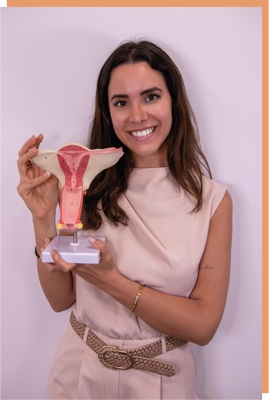

If you have PCOS and you are trying to conceive, you already know that the standard advice — "lose weight, reduce stress, eat better" — while not wrong, barely scratches the surface of what is available to you. The supplement research for PCOS-related fertility issues has advanced considerably in recent years, and there are now several evidence-based supplements that can meaningfully address the hormonal imbalances, insulin resistance, and egg quality challenges that make conception with PCOS more difficult. Here is how to build an effective, evidence-based supplement stack tailored to PCOS fertility.
For daily nutritional support, Her Daily Formula provides bioavailable Folate, CoQ10, and Vitamin D specifically formulated for women on a conception journey.
Understanding PCOS at the Metabolic Level
Before diving into specific supplements, it helps to understand what you are actually addressing. PCOS is fundamentally a metabolic and hormonal disorder. The key features that affect fertility include:
Insulin resistance: Present in approximately seventy percent of women with PCOS, insulin resistance drives the overproduction of androgens (male hormones) by the ovaries. Elevated androgens disrupt follicle development, prevent regular ovulation, and can impair egg quality. Addressing insulin resistance is arguably the single most impactful intervention for PCOS fertility.
Chronic inflammation: Women with PCOS tend to have elevated markers of low-grade chronic inflammation, which further impairs ovarian function and egg quality. Anti-inflammatory and antioxidant supplements address this component.
Hormonal imbalance: Elevated LH relative to FSH, excess androgens, and sometimes elevated prolactin create an ovarian environment where follicles begin developing but fail to mature and ovulate. Supplements that help normalize these hormonal signals can restore ovulatory function.
The World Health Organization recognizes PCOS as one of the most common causes of anovulatory infertility worldwide. Targeting its metabolic roots through supplementation — alongside dietary and lifestyle changes — creates the most comprehensive approach.
The Core PCOS Fertility Supplement Stack
Myo-Inositol and D-Chiro-Inositol
This is the foundation of any PCOS supplement strategy. Inositol is a sugar alcohol that acts as a secondary messenger for insulin signaling, and supplementation has been shown to improve insulin sensitivity, reduce androgen levels, restore ovulation, and improve egg quality in women with PCOS.
The research supports a specific ratio: 40:1 myo-inositol to D-chiro-inositol. The typical dose is 4,000 milligrams of myo-inositol combined with 100 milligrams of D-chiro-inositol daily, divided into two doses. Multiple randomized controlled trials have shown that this combination can restore ovulatory cycles in sixty to seventy percent of previously anovulatory PCOS women.
N-Acetyl Cysteine (NAC)
NAC is a powerful antioxidant and anti-inflammatory compound that has shown impressive results for PCOS fertility. It improves insulin sensitivity, reduces androgen levels, and has been shown in some studies to be comparable to metformin (the most commonly prescribed medication for PCOS insulin resistance) in its effects on ovulation and pregnancy rates.
The typical fertility dose is 600 to 1,800 milligrams daily. NAC also supports glutathione production — your body's most important internal antioxidant — providing additional protection for developing eggs. Our detailed guide on male fertility supplements discusses how NAC also benefits sperm quality in male partners.
Vitamin D
Vitamin D deficiency is prevalent in women with PCOS — some studies suggest that up to eighty-five percent of PCOS women are deficient. Low vitamin D is associated with worse insulin resistance, higher androgen levels, and reduced fertility outcomes. Supplementation has been shown to improve insulin sensitivity, reduce inflammatory markers, and support follicle development.
Get your levels tested and supplement accordingly. Most PCOS women benefit from 2,000 to 5,000 IU daily, though severe deficiency may require higher initial doses under medical supervision. Target a blood level of 40 to 60 ng/mL for optimal fertility support.
Additional Evidence-Based Additions
- Omega-3 fatty acids (2,000-3,000 mg daily): Reduce inflammation, improve insulin sensitivity, and support healthy hormonal production. EPA and DHA from fish oil are the most studied forms.
- CoQ10 (200-600 mg daily): Supports egg quality through mitochondrial energy production. Particularly valuable for PCOS women over 35 when egg quality becomes a compounding concern.
- Berberine (500 mg two to three times daily): A plant compound with strong evidence for improving insulin sensitivity in PCOS. Some studies show it is comparable to metformin. Should not be taken simultaneously with metformin without medical supervision.
- Zinc (25-50 mg daily): Supports hormone production, reduces inflammation, and addresses the androgen excess common in PCOS. Many PCOS women are zinc-deficient.
- Magnesium (300-400 mg daily): Supports insulin signaling, reduces inflammation, and improves sleep quality. Magnesium glycinate is the best-tolerated form.
A comprehensive women's fertility supplement and men's fertility supplement provide a solid foundation that can be augmented with PCOS-specific additions like inositol and NAC. The National Institutes of Health has funded multiple studies on nutritional interventions for PCOS, and the evidence base continues to strengthen.
Timing and Implementation Strategy
Start your supplement stack at least three months before you begin trying to conceive. This timeline allows the supplements to positively influence the eggs that will be maturing during your conception cycles. Egg development takes approximately three months from initial recruitment to ovulation, so today's supplements are protecting next season's eggs.
Introduce supplements gradually rather than starting everything at once. This approach helps you identify which supplements cause any side effects and allows your body to adjust. A suggested introduction schedule:
- Week 1-2: Start with myo-inositol/D-chiro-inositol and vitamin D
- Week 3-4: Add NAC and omega-3s
- Week 5-6: Add CoQ10 and zinc
- Week 7-8: Add berberine and magnesium if desired
Take supplements consistently — most need to be taken daily for several weeks before their effects become apparent. Set phone reminders or use a pill organizer to build the habit. Our guide on supplements versus medications helps you understand how supplementation fits alongside any prescribed treatments, and our article on supplement timing provides additional scheduling guidance.
Working with Your Healthcare Provider
While the supplements discussed here have strong safety profiles, it is important to work with your healthcare provider when building your PCOS supplement stack. This is especially true if you are taking metformin (interactions with berberine and inositol should be monitored), if you have thyroid issues (some supplements affect thyroid hormone metabolism), or if you are taking any other medications.
Bring this article to your next appointment and discuss your supplementation plan. A provider who is knowledgeable about integrative fertility medicine will appreciate your proactive approach and can help you fine-tune your stack based on your specific lab results, symptoms, and treatment plan. Connecting with our guide on myo-inositol and fertility provides deeper research context that you can share with your provider.
PCOS makes conception harder, but it does not make it impossible. Thousands of women with PCOS conceive naturally or with minimal medical intervention every year. An evidence-based supplement stack, combined with appropriate dietary changes, regular exercise, and medical support, gives your body the comprehensive support it needs to overcome PCOS-related barriers and welcome the pregnancy you are working toward.


Ready to Start Your Journey?
Take our 30-second quiz to find the insemination kit designed for your specific situation.
Find Your Kit