Fertility Herbs: Traditional Remedies and Modern Research

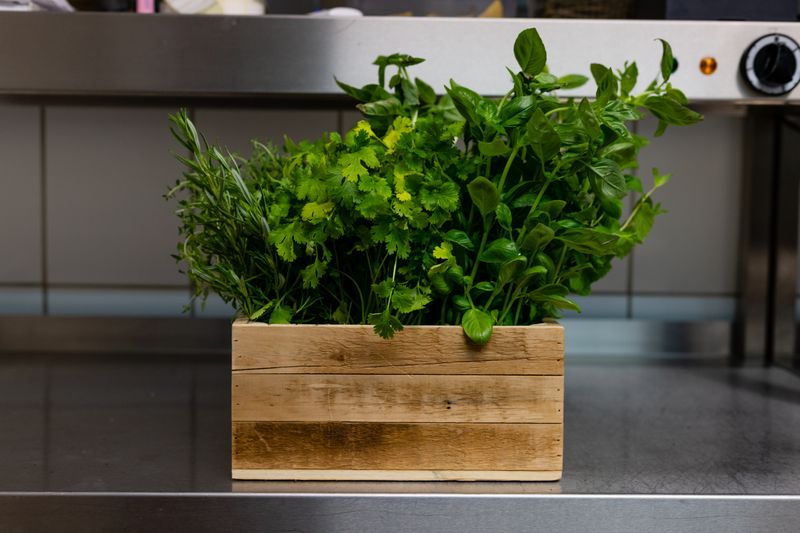
Herbal remedies for fertility have been part of traditional medicine systems for thousands of years, from Ayurveda and Traditional Chinese Medicine to European and Indigenous healing traditions. As a researcher who bridges conventional and integrative medicine, I find the growing scientific interest in these traditional remedies both exciting and important to contextualize carefully. Some fertility herbs have genuine evidence supporting their use, while others rest primarily on historical tradition. Knowing the difference empowers you to make informed choices about incorporating herbs into your fertility plan.
Herbs With the Strongest Evidence Base
Vitex (Chaste Tree Berry) is perhaps the most extensively studied fertility herb for women. Research suggests that vitex acts on the pituitary gland to support healthy progesterone production, which is essential for regular ovulation and early pregnancy maintenance. Several clinical studies have shown improved cycle regularity and increased pregnancy rates in women taking vitex, particularly those with luteal phase defects or mild hyperprolactinemia. The typical studied dose is 20 to 40 milligrams of standardized extract daily.
However, vitex is not appropriate for everyone. Women with PCOS may not benefit because the hormonal mechanisms involved are different. Women taking hormonal medications, birth control, or undergoing IVF should not use vitex without specific guidance from their reproductive endocrinologist, as it can interfere with these treatments.
Maca Root has traditional use as a fertility enhancer in Peruvian medicine and has gained considerable popularity in the fertility community. Research suggests that maca may improve hormonal balance, enhance libido, and support overall reproductive health in both men and women. Small studies have shown improvements in sperm quality parameters with maca supplementation. The typical dose is 1,500 to 3,000 milligrams daily of dried root powder.
Understanding how herbs interact with conventional fertility supplements and medications is essential, as some combinations can be beneficial while others can be problematic.
Herbs With Moderate or Emerging Evidence
Ashwagandha is an adaptogenic herb that has shown promise for both male and female fertility. In men, several studies have demonstrated improvements in sperm count, motility, and morphology. In women, ashwagandha may support fertility through its effects on stress hormones and thyroid function, both of which influence reproductive health. Doses of 300 to 600 milligrams of root extract daily are typical in studies.
Red Raspberry Leaf has been traditionally used to tone the uterus and prepare for pregnancy. While the scientific evidence for its fertility-enhancing effects is limited, it is generally considered safe and provides nutrients including iron, calcium, and B vitamins that support reproductive health. It is most commonly consumed as a tea.
Tribulus Terrestris has shown some evidence for supporting ovulation in women with anovulatory cycles. One study found that it stimulated ovulation in a significant percentage of women with anovulatory infertility. The herb may work by affecting hormone levels related to follicle development. However, larger and more rigorous studies are needed. For a deeper look at nutrients that support egg quality, explore our guides on vitamin D and fertility and DHEA for fertility.
To simplify your daily supplement routine, Her Daily Formula delivers key fertility nutrients including Folate, CoQ10, and Vitamin D in bioavailable forms.
Traditional Herbs to Use with Caution
Some herbs commonly mentioned in fertility discussions require caution or should be avoided during the conception period:
- Black Cohosh — has estrogenic effects that may interfere with fertility treatment medications and is not recommended during pregnancy
- Dong Quai — widely used in Chinese medicine for reproductive health but may have blood-thinning effects and can interact with medications
- St. John's Wort — commonly used for mood support but interacts with many medications including hormonal treatments and can reduce the effectiveness of birth control
- Saw Palmetto — sometimes recommended for hormonal balance but has anti-androgenic effects that can be problematic depending on your specific hormonal profile
- Pennyroyal — historically associated with reproductive health but is toxic and should never be used internally
Quality and Safety Considerations
One of the most significant challenges with herbal supplements is quality control. Unlike pharmaceutical medications, herbal products are not subject to the same rigorous manufacturing standards and pre-market testing. According to the National Institutes of Health, the actual content of herbal supplements can vary significantly from what is stated on the label, and contamination with heavy metals, pesticides, or other substances is not uncommon.
To protect yourself, look for herbal products that have been third-party tested by organizations like USP, NSF International, or ConsumerLab. Choose products from manufacturers that follow Good Manufacturing Practices. Purchase from reputable suppliers and be skeptical of products making dramatic claims about curing infertility or guaranteeing pregnancy.
Products like Her Fertility Boost and His Fertility Boost are formulated with quality-tested ingredients at evidence-based doses, taking some of the guesswork out of supplementation. However, herbal supplements should always be discussed with your healthcare provider, especially if you are taking any medications or have underlying health conditions.
Integrating Herbs Into Your Fertility Plan
The most effective approach to herbal supplementation for fertility is one that integrates herbs as part of a comprehensive plan rather than relying on them as a standalone treatment. Herbs work best when combined with a nutrient-rich diet, regular exercise, stress management, adequate sleep, and appropriate medical care when indicated.
Timing matters with herbal supplements just as it does with conventional supplements. Most herbs need at least two to three months of consistent use to demonstrate effects on reproductive parameters, because both egg and sperm development cycles operate on this timeframe. Starting herbal supplementation at least three months before you plan to begin trying to conceive gives the herbs the best opportunity to support your fertility.
The RESOLVE: The National Infertility Association recommends discussing all supplements and herbal remedies with your fertility care provider to ensure they are compatible with any planned treatments.
- Start with herbs that have the strongest evidence for your specific situation rather than trying multiple herbs at once
- Introduce one herb at a time so you can monitor for side effects and identify what is helping
- Keep a log of what you are taking, doses, and any changes in your cycle or symptoms
- Discontinue herbal supplements when you begin medicated fertility cycles unless specifically advised otherwise by your RE
- Stop most herbal supplements once you achieve pregnancy, as safety data during pregnancy is limited for most herbs
The intersection of traditional herbal medicine and modern reproductive science is a fascinating and evolving field. As research continues to illuminate which herbs genuinely support fertility and how they work, you can benefit from the wisdom of traditional practices while maintaining the safety standards that modern science provides. Approach herbal supplementation with curiosity, caution, and the guidance of a knowledgeable healthcare provider, and it can be a meaningful part of your fertility journey.



Ready to Start Your Journey?
Take our 30-second quiz to find the insemination kit designed for your specific situation.
Find Your Kit