Understanding Your Fertility Hormone Levels

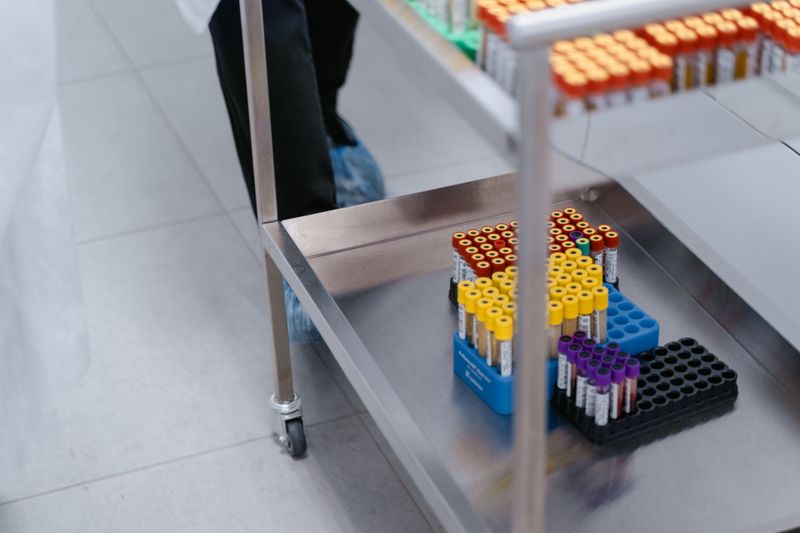
Your fertility hormones tell a story — a detailed, nuanced story about your reproductive health that, once decoded, can guide your conception strategy with remarkable precision. Whether you are just starting to explore fertility or have been trying for months and want answers, understanding your hormone levels is one of the most informative steps you can take. As a reproductive health researcher, I want to walk you through each key hormone, what the numbers mean, and how they connect to your overall fertility picture.
The Key Fertility Hormones and What They Measure
A comprehensive fertility hormone panel typically includes five to seven hormones, each providing a different piece of the puzzle. These tests are usually done through blood draws, and the timing within your menstrual cycle matters enormously — some hormones need to be tested on specific cycle days for the results to be meaningful.
FSH (Follicle-Stimulating Hormone)
FSH is produced by the pituitary gland and is responsible for stimulating your ovaries to develop follicles, each of which contains an egg. It is tested on cycle day two or three (counting the first day of full menstrual flow as day one). In women with good ovarian reserve, FSH levels are typically below ten mIU/mL. Levels between ten and fifteen suggest diminished reserve, and levels above fifteen are considered elevated and may indicate that the ovaries are working harder to recruit follicles.
It is important to understand that FSH is an indirect marker. The pituitary gland increases FSH production when it senses that the ovaries are not responding adequately. So a high FSH does not mean your pituitary is overactive — it means your ovaries need more stimulation to do their job. A single elevated FSH reading should be confirmed with repeat testing, as levels can fluctuate from cycle to cycle.
AMH (Anti-Mullerian Hormone)
AMH is produced directly by the small follicles in your ovaries and provides a snapshot of your ovarian reserve — essentially, how many eggs you have remaining. Unlike FSH, AMH can be tested on any cycle day, making it a convenient screening tool. Normal AMH levels for reproductive-age women are typically between one and four ng/mL. Levels below one suggest diminished reserve, while levels above four may indicate PCOS.
AMH is considered one of the most reliable predictors of how your ovaries will respond to stimulation medications if you pursue IUI or IVF. However, it measures quantity, not quality. A woman with a low AMH may still have eggs of excellent quality, and a woman with high AMH may have other factors affecting her fertility. According to the RESOLVE: The National Infertility Association, AMH testing has become a standard component of initial fertility evaluation.
Estradiol (E2)
Estradiol is the primary form of estrogen and is tested alongside FSH on cycle day two or three. Early-cycle estradiol should be below about 80 pg/mL. An elevated baseline estradiol can artificially suppress FSH levels, masking diminished ovarian reserve. This is why the two tests should always be interpreted together — a "normal" FSH with a high estradiol is actually a concerning finding.
Estradiol levels rise dramatically as follicles develop through the cycle, peaking just before ovulation. In monitored cycles, tracking estradiol levels helps your provider assess follicular development and predict when ovulation will occur.
LH (Luteinizing Hormone)
LH is the hormone responsible for triggering ovulation. The surge in LH that occurs mid-cycle is what ovulation predictor kits detect. Baseline LH levels (tested on cycle day two or three) are typically between two and twelve mIU/mL. An elevated LH-to-FSH ratio (particularly when LH is significantly higher than FSH) can be an indicator of PCOS.
Progesterone
Progesterone is tested about seven days after ovulation (typically cycle day 21 in a 28-day cycle, but adjusted based on your actual ovulation timing). This test confirms whether ovulation occurred and whether your body is producing enough progesterone to support early pregnancy. A progesterone level above three ng/mL confirms ovulation, and levels above ten ng/mL are generally considered adequate for conception support.
Low progesterone can indicate a short or insufficient luteal phase, which may impair implantation even if fertilization occurs. Our detailed article on the luteal phase and its importance explains this connection further.
Thyroid Hormones (TSH, Free T4)
Thyroid function directly impacts fertility, and thyroid disorders are more common than many women realize. TSH levels between 0.5 and 2.5 mIU/L are considered optimal for conception (tighter than the general population reference range). Both hypothyroidism and hyperthyroidism can disrupt ovulation, affect egg quality, and increase miscarriage risk. Our guide on secondary infertility discusses how thyroid changes between pregnancies can affect subsequent conception.
Reading Your Results: What the Numbers Mean Together
Individual hormone levels tell you something, but interpreting them as a panel tells you much more. The American Society for Reproductive Medicine emphasizes that fertility hormones should always be interpreted in context — your age, your cycle day, your symptoms, and the complete panel of results.
Here are some common patterns and what they suggest:
- Normal FSH + normal AMH + normal estradiol: Good ovarian reserve. This is the reassuring panel that suggests your ovaries are functioning well for your age.
- Elevated FSH + low AMH + normal estradiol: Diminished ovarian reserve. This does not mean you cannot conceive, but it may influence the urgency and approach of your treatment plan.
- Normal FSH + high estradiol: Potentially masked diminished reserve. The estradiol is suppressing FSH, making it appear normal when it might not be. Repeat testing is warranted.
- Elevated LH relative to FSH + high AMH: Consistent with PCOS. This pattern often comes with irregular cycles and may benefit from specific treatment approaches.
- Low progesterone at day 21: Possible anovulation or luteal phase defect. This finding can often be addressed with medications or supplements.
When to Get Tested and How to Prepare
If you are under 35 and have been trying to conceive for twelve months without success, or over 35 and trying for six months, hormone testing is a recommended next step. However, there is no reason you cannot request baseline testing earlier, especially if you want to understand your fertility potential before actively trying.
To prepare for your blood draw, note which cycle day you are on (this is critical for accurate interpretation), schedule the appointment for early morning when hormone levels are most stable, and fast if your provider requests it (some labs prefer fasting for accurate results). Bring a list of any medications or supplements you are taking, as some can affect hormone levels.
Consider requesting that your results be shared with you directly, not just with your provider. Having your own copy of your lab work allows you to track changes over time, seek second opinions if needed, and become an informed participant in your own care. A male fertility supplement can complement hormone optimization on your partner's side while you address your own results.
What to Do with Your Results
Once you have your hormone panel results, the next step is a conversation with a knowledgeable provider who can interpret them in the context of your full clinical picture. Ask questions. Push for explanations you can understand. If a result is abnormal, ask what it means for your specific situation and what the treatment options are.
Many hormonal imbalances that affect fertility are treatable. Thyroid disorders are managed with medication. Low progesterone can be supplemented. PCOS can be addressed with lifestyle modifications and medications. Even diminished ovarian reserve, while not reversible, can inform treatment strategies that maximize your chances with the eggs you have.
Your hormone levels are not a verdict — they are a roadmap. They tell you where you are, highlight areas that need attention, and help you and your care team chart the most effective course toward the pregnancy you are working so hard to achieve. Understanding them is not optional — it is empowering.



Ready to Start Your Journey?
Take our 30-second quiz to find the insemination kit designed for your specific situation.
Find Your Kit