At-Home Insemination for Same-Sex Female Couples: A Complete Guide

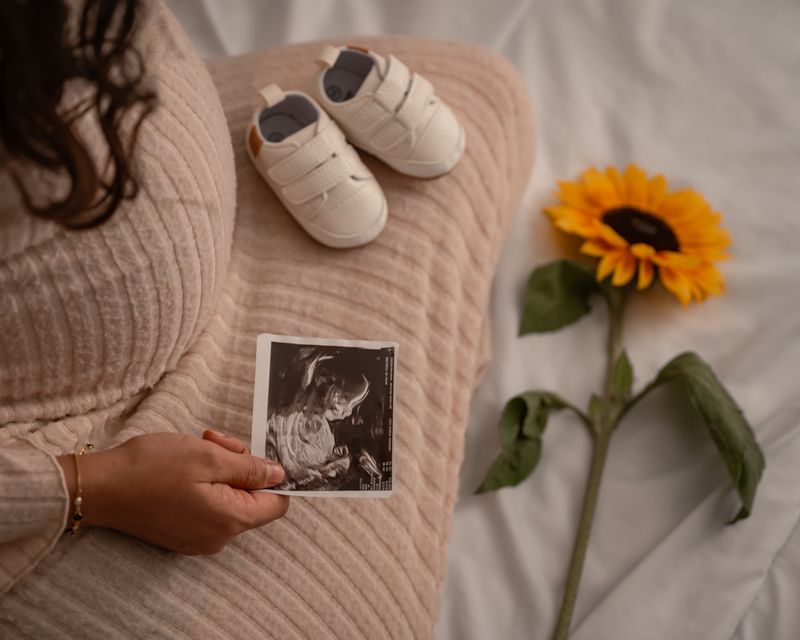
For lesbian and same-sex female couples, at-home insemination with donor sperm is often the most direct, affordable, and private path to having a biological child together. Unlike heterosexual couples dealing with infertility — for whom at-home insemination is one option among several — for many same-sex female couples it is the natural first step: you have everything you need except sperm, and at-home insemination gives you a way to access that without a clinical waiting room, a doctor's authorization, or the staggering cost of IVF.
This guide covers the full journey: which partner inseminates and how you decide, which at-home insemination kit to use, how to choose a sperm bank, the step-by-step procedure, what to do about legal parentage for the non-biological parent, how to navigate the emotional dimensions of this process as a couple, and when to consider clinical options. Everything you need to get started — from research to the moment you're lying down with your kit.
For comprehensive support, the CryoBaby Boost Bundle pairs the frozen-sperm insemination kit with Her Daily fertility supplements for complete conception support.
Deciding Who Will Carry
For many same-sex female couples, the first major decision is who will be the person to carry the pregnancy — the "inseminating partner" or birth parent. For some couples this is immediately clear: one partner has always felt strongly about carrying, or one partner is significantly older and you want to use the younger partner's reproductive potential. For others, it is a harder conversation.
A few factors that commonly inform this decision:
- Age and ovarian reserve. Fertility declines with age — most significantly after 35. If one partner is older, it may make sense to start with the younger partner to maximize success rates, even if the older partner also wants to carry at some point.
- Health history. Known fertility-affecting conditions like PCOS, endometriosis, or irregular cycles may influence who carries first.
- Emotional and practical readiness. Who feels more ready to be pregnant right now, to navigate the physical changes of pregnancy, and to take time off for birth and recovery?
- Both partners carrying. Some couples have one partner carry the first child and the other carry a second. This is a valid and common structure — plan for it from the beginning if it is your intention.
If you are genuinely unsure and the decision feels high-stakes, a session or two with a counselor who specializes in LGBTQ+ family building can help facilitate the conversation and reduce the emotional pressure of making it entirely on your own.
Choosing the Right At-Home Insemination Kit
The right kit depends primarily on what type of sperm you are using and whether the inseminating partner has any conditions that affect comfort during insertion. For same-sex female couples using frozen donor sperm from a cryobank — the most common scenario — the MakeAMom CryoBaby kit is the most purpose-designed option.
Here is why the CryoBaby matters specifically for couples using cryobank donor sperm:
Frozen donor sperm vials contain significantly less volume than a fresh ejaculate sample — typically 0.5 to 1.0 mL per vial, compared to 2 to 5 mL for fresh samples. This matters because donor sperm is expensive ($800 to $1,500 per vial in most cases), and you want to draw every possible drop from the vial into the syringe without losing any to dead space or poor suction mechanics. The CryoBaby's narrow syringe tip and draw mechanism are specifically designed for this low-volume, high-value use case.
The CryoBaby is also reusable — purchase once, use for all your cycles. When you are already budgeting for donor sperm per cycle, eliminating the per-cycle kit cost matters.
When to consider a different kit:
- If the inseminating partner has vaginismus, significant pelvic floor tension, or a history of pain during gynecological exams, the BabyMaker's ultra-soft flexible tip may be a more comfortable option than the CryoBaby.
- If you are using fresh sperm from a known donor, the syringe mechanics and volume needs are different — a standard or Impregnator style kit may be more appropriate.
Still not sure which kit fits your situation? Take our 30-second quiz for a personalized recommendation based on your specific circumstances.
Choosing a Sperm Bank as a Couple
Choosing a sperm donor is one of the most significant shared decisions you will make at the start of this process. It is also — for many couples — one of the most emotionally loaded. Here is a practical framework for navigating it together.
Safety and Accreditation First
Only use sperm banks that are registered with the FDA as human cell and tissue establishments. This registration requires comprehensive infectious disease screening, genetic testing, and documented health history for all donors. In the United States, well-established accredited banks include California Cryobank, Fairfax Cryobank, Seattle Sperm Bank, Xytex, and NW Cryobank, among others. See our guide to choosing a sperm bank for a complete overview of what screening entails and how to evaluate banks.
Open vs. Anonymous Donors
This is a decision many same-sex couples find particularly meaningful. Open identity (or "identity release") donors have agreed to be contactable by the donor-conceived child when that child reaches adulthood — typically at 18. Anonymous donors have permanently waived this option.
The growing consensus in donor-conceived communities is that open identity donors are the more ethical choice, because they give the child the option to seek information about their genetic origins rather than foreclosing it permanently. Many same-sex couples also feel that having the option available is important for their child's sense of identity and belonging — particularly in families where donor conception is openly discussed from an early age (which most child psychology research recommends). For a thorough look at both sides, see our article on known vs. anonymous donors.
Selecting a Donor Profile Together
This process can be surprisingly emotional. Some couples find a donor profile quickly; others search for months. A few approaches that help:
- Agree on your "must haves" separately before comparing notes. Each partner writes their non-negotiables independently (for example: open identity, no family history of certain conditions, CMV negative status if needed). Comparing these lists often reveals where you genuinely agree and where you need to compromise.
- Think about family resemblance — but hold it loosely. Many couples prefer a donor who resembles the non-biological partner in some physical way, and banks make this searchable. But overweighting physical resemblance at the expense of other factors (health history, identity release status) can lead to regret.
- Read the audio interviews. Most banks offer audio interviews with donors. Hearing someone's voice and the way they speak is often more revealing than any checklist of characteristics.
- Give yourself time. There is no deadline on this decision until you are ready to actually purchase vials. Take the time you need.
For a detailed walkthrough of how to read and evaluate donor profiles, see our article on understanding donor profile information.
CMV Status: An Important Detail
Cytomegalovirus (CMV) is a common virus that most adults have been exposed to. If the inseminating partner is CMV negative (has never been infected), many reproductive specialists recommend using a CMV-negative donor to minimize any theoretical risk. If the inseminating partner is CMV positive, donor CMV status is generally irrelevant. Ask your OB or GP about CMV status testing if you are unsure — it is a simple blood test.
Ordering Logistics
Banks ship vials in liquid nitrogen dewars that keep sperm frozen during transit. Plan delivery to arrive 1 to 3 days before your expected ovulation window. Order at least two vials per cycle for two insemination attempts. Many couples order extra vials and store them in a cryostorage facility ($100 to $500 per year) to ensure supply from their chosen donor for future cycles or a second child. See our article on storing donor sperm for practical logistics.
Step-by-Step: How to Inseminate at Home as a Couple
One of the meaningful differences between at-home insemination for a couple versus solo insemination for a single woman is that the non-inseminating partner can be fully present and actively involved. This is a shared experience, not just a medical procedure — and that matters.
Step 1: Track the Inseminating Partner's Ovulation
Begin tracking the inseminating partner's cycle at least one to two months before your first attempt. Use ovulation predictor kits (OPKs) starting around day 10 of the cycle. Test at the same time daily — mid-morning or early afternoon works well. A positive OPK (LH surge) means ovulation is approximately 24 to 36 hours away. This is when you need your sperm vials ready and thawed.
Step 2: Receive and Store Your Sperm Vials
Your sperm bank dewar should arrive 1 to 3 days before your expected ovulation. Keep it upright and undisturbed. Do not open it until you are ready to thaw. The bank will have instructed you on how long the dewar maintains temperature — make sure you use the vials within that window. Have all your kit components assembled and within reach before you open the dewar.
Step 3: Thaw Your Vial on the Day
When the inseminating partner gets a positive OPK, it is time. Remove the vial from the dewar following the bank's exact instructions — typically allowing it to come to room temperature over 10 to 30 minutes on a clean, flat surface. Do not use warm water, body heat, or a microwave. Once thawed, use within 30 to 60 minutes. See our full guide to thawing frozen donor sperm.
Step 4: Prepare Your Space Together
This is where having a partner is an advantage. Set up your space together: lay out the kit components, have a clean towel ready, create the environment you want — your bedroom, soft lighting, music, whatever feels right for you as a couple. Wash hands. The non-inseminating partner can assist with drawing the sample, handing over components, and simply being present in a calming way.
Step 5: Draw the Sample
Using the CryoBaby syringe, place the tip into the thawed vial and slowly draw back the plunger to pull the sample in. Draw slowly to avoid air bubbles. Once the sample is drawn, hold the syringe tip-upward and gently depress until a small drop appears — this expels air. Every drop of sample matters at these prices.
Step 6: Insemination
The inseminating partner lies on their back in a comfortable position. The non-inseminating partner can assist or simply be present and supportive — this is entirely up to what feels right for you as a couple. The syringe is inserted gently into the vaginal canal, two to three inches in, aimed toward the back wall. There should be no pain. The plunger is depressed slowly and steadily over three to five seconds to deposit the entire sample.
Step 7: Rest Together
After the syringe is removed, the inseminating partner stays lying down for at least 15 to 30 minutes — ideally with hips slightly elevated on a pillow. This is often described by couples as one of the most meaningful parts of the experience: being present together in a quiet moment right after something significant has just happened. It is a natural time for connection — talking, holding hands, just being together in the quiet of what you've just done.
Step 8: Repeat 12 to 24 Hours Later
If you have a second vial, inseminate again the next morning or evening. Two inseminations per cycle consistently outperform single-insemination cycles. The second attempt catches ovulation as it happens or just after the egg is released.
Step 9: The Two-Week Wait — Together
The two-week wait before a pregnancy test is emotionally difficult for most couples. Divide the emotional weight: one partner does not carry the anxiety while the other is detached. Check in with each other. Plan distractions. Agree on when you will test and who will be present. Some couples find that having a clear plan for how they will respond to both outcomes — positive and negative — helps them feel more grounded during the wait.
Ovulation Tracking Together
Having a partner changes the ovulation tracking dynamic in a useful way: you are not doing it alone, and the non-inseminating partner can help with logging, interpreting results, and reminding about daily testing. Some practical notes:
- Track for at least one cycle before your first insemination attempt. Understand the inseminating partner's pattern before spending on donor sperm.
- Consider digital OPKs for clarity. Clearblue Advanced digital OPKs show a smiley face rather than requiring line comparison, which eliminates ambiguity and potential disagreement about whether a positive is "positive enough."
- Use an app to log data. Apps like Kindara, Ovia, or Flo let you log OPK results, BBT, and cervical mucus changes. Patterns become clearer over multiple cycles.
- Plan the delivery window together. When you know the typical ovulation day, order vials to arrive 1 to 3 days before. This planning is easier with two people managing it.
For a full guide to ovulation tracking methods, see our article on ICI timing and ovulation.
Cost Breakdown: At-Home Insemination vs. Clinical Options for Same-Sex Couples
Understanding the cost landscape helps you plan realistically and make informed decisions about when to escalate to clinical options.
At-home insemination per cycle:
- Donor sperm: $1,600–$3,000 (two vials at $800–$1,500 each)
- Sperm shipping and dewar: $100–$300
- OPK tests: $15–$40
- CryoBaby kit: $99–$129 one-time, $0 per subsequent cycle
- Total per cycle: approximately $1,800–$3,400
Clinical IUI per cycle (adding the clinic cost on top of sperm):
- IUI procedure fee: $500–$2,000 per cycle
- Plus all the same sperm and shipping costs above
- Total per cycle: approximately $2,300–$5,000+
Reciprocal IVF (for couples who both want a biological role):
- Clinical fees, egg retrieval, fertilization, transfer: $15,000–$30,000 per cycle
- Often partially covered by insurance if your state has fertility coverage mandates
For most same-sex female couples with no significant fertility barriers, at-home insemination is the most cost-effective starting point. Clinical IUI is a reasonable escalation after several unsuccessful home cycles, particularly if there is any concern about cervical mucus quality or sperm viability post-thaw. Reciprocal IVF is a choice driven primarily by the desire for both partners to have a biological role — not by necessity when one partner can conceive via ICI.
Also worth exploring: LGBTQ+-affirming fertility insurance coverage, state mandates that may cover diagnosis and treatment, and employer fertility benefits. See our guide to LGBTQ+ fertility insurance for a state-by-state overview.
Legal Parentage for the Non-Biological Parent
This is one of the most important sections in this guide, and one that same-sex couples using at-home insemination sometimes overlook in their excitement about the process itself. The non-biological parent does not automatically have full legal parental rights in all circumstances — even if you are married, and even if both your names are on the birth certificate.
Here is the landscape as of current US law:
The Marriage Presumption
In most US states, a child born to a married couple is presumed to have both spouses as legal parents. If you are married when your child is born, your state may automatically list both spouses on the birth certificate and grant presumptive legal parentage to the non-biological spouse. However, this presumption can be challenged, is not consistently applied across all states, and may not be recognized if you travel to states or countries with different laws.
Second-Parent or Stepparent Adoption
The most robust protection for the non-biological parent is a formal court-recognized parentage order — typically a second-parent adoption or stepparent adoption (available in most states) or a pre-birth parentage judgment (available in some states). These legal procedures create a parentage order that is valid across all 50 states and cannot be contested based on biology. Many LGBTQ+ family law attorneys recommend completing this even if your state already recognizes your parental status through the marriage presumption, precisely because legal landscapes change and you want documentation that travels with your family everywhere.
Known Donor Agreements
If you are using a known donor (a friend, a relative of the non-biological partner, or any non-anonymous donor), have a legal donor agreement drafted and signed by all parties before inseminating. This agreement establishes that the donor has no parental rights or financial obligations. Without it, courts in some states have assigned paternity to known donors regardless of what all parties intended. Use a family law attorney who specializes in assisted reproduction, not a general practitioner. See our guide on legal parentage for same-sex couples, our article on LGBTQ+ donor agreements, and our broader donor sperm legal guide for more detail.
What About Reciprocal IVF?
Reciprocal IVF — also called shared motherhood, partner IVF, or co-IVF — is a clinical process where one partner provides eggs (the genetic mother), those eggs are fertilized with donor sperm, and the resulting embryo is transferred to the other partner's uterus (the gestational mother). It allows both partners to have a distinct biological role in the pregnancy.
Reciprocal IVF is a meaningful option for couples who specifically want that bilateral biological connection, and for many it is deeply significant. However, it comes with important practical realities:
- Cost: $15,000 to $30,000+ per cycle, compared to $1,800 to $3,400 for at-home insemination. Some employer benefits and state insurance mandates cover reciprocal IVF, but many do not.
- Medical intensity: The egg-providing partner undergoes hormonal stimulation and egg retrieval surgery. The carrying partner undergoes embryo transfer and associated monitoring. Both partners are medically involved in the process.
- Success rates: IVF success rates depend heavily on egg quality (affected by age) and embryo quality. They are generally higher per attempt than ICI but at dramatically higher cost.
- Timing: The IVF process takes weeks to months per cycle, requires regular clinic visits, and involves significantly more physical burden than home insemination.
Many couples start with at-home insemination and consider reciprocal IVF only if needed — either because home insemination is not successful after multiple well-timed cycles, or because the biological connection question is a high priority from the outset. There is no wrong choice here; it is a personal decision based on your values, health, and financial situation.
Navigating the Emotional Journey as a Couple
At-home insemination is an intimate and emotionally loaded experience, even when it goes smoothly. As a couple, you will navigate it together — which is an extraordinary advantage over doing it alone, and also introduces its own relational dynamics to be aware of.
The Non-Biological Parent's Experience
One of the most commonly underaddressed emotional threads in this process is the experience of the non-biological parent — the person who is deeply invested in becoming a parent but is not the one trying to conceive each cycle. This partner may feel peripheral to the physical process, anxious about being "less of" a parent to a child who is not genetically theirs, or emotionally depleted by cycling through hope and disappointment without having any physical experience to show for it.
These feelings are real and valid. Name them. Check in with each other — not just "how are you feeling about the last attempt" but "how are you feeling about your role in this, and how can I support you better." For more on this, see our article on bonding as a non-biological parent.
Managing Expectations Across Multiple Cycles
Per-cycle success rates for home ICI are 10 to 15 percent — meaning most cycles will not result in conception. Over six cycles, cumulative success rates rise considerably, but each individual month brings its own hope and potential disappointment. This cycle of hope and grief is one of the most consistent themes in fertility community discussions.
As a couple, it helps to agree in advance on what you will do after a negative result: will you immediately plan the next cycle, or take a break? How will you process a negative together — do you prefer to talk immediately, or do you each need a few hours alone first? There is no right answer, but discussing it in advance reduces the risk of one partner feeling abandoned or suffocated in the immediate aftermath of a negative test.
The Role of Community
LGBTQ+ family-building communities are rich, supportive, and increasingly well-organized. Online communities on Reddit (r/queerTTC, r/LesbianTTC), Facebook groups for same-sex couples trying to conceive, and organizations like Family Equality and COLAGE offer connection with people who have been through exactly what you are navigating. Peer support from people with lived experience is often more grounding than clinical information alone. See our guide to LGBTQ+ fertility support groups for community resources.
Coming Out About Your Journey
Deciding who to tell — family, friends, colleagues — and when is a deeply personal choice, and one that same-sex couples often navigate differently than heterosexual couples. Some find that being open from the beginning builds a support network; others prefer privacy during the trying phase and sharing only after a positive test. For thoughtful reflection on this decision, our article on coming out while trying to conceive addresses the specific considerations for LGBTQ+ people navigating this.
When to See a Fertility Specialist
Many same-sex female couples benefit from a baseline fertility evaluation before starting at-home insemination — not because there is a presumed problem, but because the information is useful. A basic fertility evaluation includes AMH and FSH blood tests to assess ovarian reserve, and often a pelvic ultrasound for antral follicle count. This gives you a clear picture of the inseminating partner's reproductive health and timeline.
Guidelines for escalating to clinical care:
- If the inseminating partner is 37 or older: Consider a fertility evaluation before starting, and be willing to escalate sooner if needed.
- After 3 to 4 well-timed home insemination cycles with no success: Consult a reproductive endocrinologist to rule out structural issues (tubes, uterus), assess ovulation quality, and consider whether sperm quality is a factor.
- If the inseminating partner has irregular cycles, PCOS, endometriosis, or other known conditions: Consider a specialist consultation before or early in your home insemination journey rather than waiting for multiple failed cycles.
Clinical IUI, which deposits washed sperm directly into the uterus past the cervix, may improve outcomes if post-thaw sperm motility is a concern, or if you have been unable to conceive at home after an adequate number of well-timed cycles. See our ICI vs. IUI comparison for a detailed look at when and why to consider the step up. For ICI guidance written specifically for same-sex female couples, our ICI guide for same-sex couples covers the unique practical and emotional considerations you may face.
Frequently Asked Questions
Can a same-sex female couple do home insemination?
Yes. Home insemination with donor sperm is one of the most accessible and affordable family-building options for lesbian and same-sex female couples. The inseminating partner performs the procedure at home using a purpose-built kit and frozen donor sperm from a licensed cryobank. It is safe, private, and does not require clinical supervision or authorization.
What is the best insemination kit for lesbian couples?
For most same-sex female couples using frozen donor sperm, the MakeAMom CryoBaby is the most purpose-designed choice. Its narrow tip draws efficiently from small-volume cryobank vials, and it is reusable across all cycles. If the inseminating partner has vaginismus or significant pelvic sensitivity, consider the BabyMaker kit instead for its ultra-soft flexible tip. Take our quiz for a personalized recommendation.
How do two women do home insemination?
Track the inseminating partner's ovulation with OPKs. On a positive OPK day, thaw the donor sperm vial per the cryobank's protocol. Draw the sample into the CryoBaby syringe. The inseminating partner lies comfortably on their back while the syringe is inserted gently and the sample is deposited near the cervix. Stay lying down for 15 to 30 minutes. Repeat 12 to 24 hours later with a second vial. The non-inseminating partner can be fully present and involved throughout.
Does the non-biological parent have legal rights?
Not automatically in all situations. While the marriage presumption applies in many states, many family law attorneys strongly recommend that same-sex couples complete a second-parent adoption or parentage judgment to fully protect the non-biological parent's rights across all jurisdictions. This is especially important if you travel, move states, or want documentation that is clearly incontestable. Consult a family law attorney who specializes in LGBTQ+ family building. See our same-sex legal parentage guide for detail.
What is reciprocal IVF and how is it different from at-home insemination?
Reciprocal IVF (shared motherhood) is a clinical procedure where one partner provides eggs and the other carries the resulting embryo, allowing both partners a biological role. It typically costs $15,000 to $30,000 and requires clinical intervention throughout. At-home insemination is far more affordable (approximately $1,800 to $3,400 per cycle) and less medically intensive, but only one partner is biologically connected to the child. The choice between them is personal and depends on your priorities, health, and financial situation.
Can lesbian couples use a known donor for home insemination?
Yes, but it requires specific legal precautions. Have a family law attorney draft a donor agreement before inseminating — without it, courts in some states have assigned parental rights to known donors regardless of everyone's intentions. This protects the donor, protects you as a couple, and protects your child's legal family structure. See our donor sperm legal guide for the details.


Medically Relevant
Dr. Vicky O'Dwyer, MD, Director of Gynaecology, Rotunda Hospital Dublin, endorses MakeAMom's approach to at-home insemination. View profile →
Ready to Start Your Family?
The CryoBaby kit is built for frozen donor sperm — the most common choice for same-sex female couples. See if it is the right fit for your situation, or take our quiz for a personalized recommendation.
See the CryoBaby Kit