ICI vs IUI: Key Differences Explained
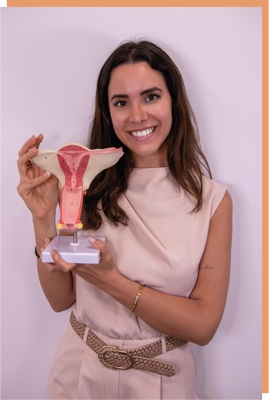

When you start researching insemination methods, two acronyms come up immediately: ICI and IUI. They sound similar and they accomplish the same goal, getting sperm closer to the egg, but they differ in important ways that affect where the procedure is done, how much it costs, what type of sperm you need, and your per-cycle success rates. Understanding these differences is essential for choosing the method that best fits your body, your budget, and your circumstances.
The Fundamental Difference: Where Sperm Is Placed
The core distinction between ICI and IUI is anatomical. In intracervical insemination (ICI), sperm is deposited at the opening of the cervix, the same location where sperm would naturally be deposited during intercourse. From there, sperm must travel through the cervix on their own to reach the uterus and eventually the fallopian tubes where fertilization occurs.
In intrauterine insemination (IUI), sperm is placed directly into the uterus using a thin catheter that passes through the cervix. This bypasses the cervical barrier entirely, giving sperm a significant head start. Because the sperm skips the cervix, it must be "washed" or processed first to remove seminal fluid, which can cause painful uterine cramping if introduced directly into the uterus.
This fundamental difference in placement drives nearly all of the other differences between the two methods, from the setting where each can be performed to the type of sperm preparation required to the cost per cycle.
Where Each Procedure Is Performed
One of the biggest practical advantages of ICI is that it can be performed at home without any medical training or equipment beyond a simple syringe or applicator. Because sperm is placed at the cervix rather than inside the uterus, there is no risk of introducing contaminants or non-sperm material into the sterile uterine environment. This makes ICI the method of choice for at-home insemination.
IUI, on the other hand, must be performed by a healthcare provider in a clinical setting. Threading a catheter through the cervix requires training, and using unwashed sperm for IUI could cause infection or a severe inflammatory response. This clinical requirement means scheduling appointments, traveling to the clinic, and dealing with the associated overhead costs.
For women who value privacy, autonomy, and convenience, the ability to perform ICI at home is a major advantage. A product like the Impregnator Kit provides everything needed for at-home ICI, making the process accessible and straightforward. For a deeper look at the home versus clinic question specifically for ICI, see our article on ICI success rates.
Sperm Preparation Requirements
The type of sperm preparation you need depends directly on which insemination method you are using. This is an important practical consideration, especially when ordering donor sperm from a sperm bank.
ICI can be performed with either unwashed (ICI-ready) or washed (IUI-ready) sperm. Unwashed sperm includes the full seminal fluid, which is perfectly safe when deposited at the cervix, just as it would be during natural intercourse. Washed sperm, where the seminal fluid has been removed and sperm is concentrated, can also be used for ICI, though it is more expensive and not necessary.
IUI requires washed, IUI-ready sperm. The washing process removes seminal fluid, dead sperm, white blood cells, and prostaglandins, leaving only motile sperm suspended in a small volume of solution. This processed sperm is safe for intrauterine placement. Using unwashed sperm for IUI is medically unsafe and should never be done.
Key cost implications:
- ICI-ready (unwashed) vials typically cost $500 to $800 per vial
- IUI-ready (washed) vials typically cost $700 to $1,100 per vial
- If you are doing ICI, you save money by purchasing less expensive ICI-ready vials
- If you purchase IUI-ready vials, they can be used for either ICI or IUI
The World Health Organization provides guidelines on sperm preparation standards for both intracervical and intrauterine procedures.
Success Rate Comparison
This is the question everyone wants answered: which method gives you a better chance of conceiving? The answer is nuanced and depends on several individual factors.
In general, IUI has a modestly higher per-cycle success rate than ICI. Studies suggest IUI success rates of approximately 10 to 20 percent per cycle for women under 35, compared to 5 to 15 percent for ICI. The advantage comes from placing sperm closer to the egg, which is particularly beneficial when using frozen donor sperm (which may have reduced motility after thawing) or when cervical mucus quality is suboptimal.
However, when you factor in cost per cycle, the picture changes. Because ICI is dramatically less expensive per cycle, you can afford to try more cycles for the same total investment. Over six ICI cycles, the cumulative probability of conception can match or even exceed the cumulative probability of three more expensive IUI cycles. The National Institutes of Health has published research on cumulative success rates across multiple insemination cycles.
For women with no known cervical issues, good-quality cervical mucus, and access to adequate sperm counts, ICI is a cost-effective first option. If ICI is not successful after several well-timed cycles, transitioning to IUI adds the cervical bypass advantage without jumping all the way to more invasive treatments.
Cost Comparison
The cost difference between ICI and IUI is substantial and often the deciding factor for many women:
- ICI at home: Cost of sperm vial ($500-$800) plus kit supplies ($30-$100) equals approximately $530-$900 per cycle
- ICI at clinic: Cost of sperm vial plus clinic fee ($200-$500) equals approximately $700-$1,300 per cycle
- IUI at clinic: Cost of IUI-ready sperm ($700-$1,100) plus procedure fee ($300-$1,000) plus monitoring ($200-$500) equals approximately $1,200-$2,600 per cycle
Over four to six cycles, the cumulative cost difference can amount to several thousand dollars. For many women, particularly those paying out of pocket, this savings makes ICI the logical starting point.
Which Method Is Right for You
Choosing between ICI and IUI comes down to your specific circumstances. ICI is often the best first choice for women who prefer the privacy and comfort of home, have no diagnosed cervical issues, want to minimize costs, and are using fresh or high-quality frozen sperm. IUI may be the better choice if you have known cervical mucus issues, are using sperm with lower motility counts, have had unsuccessful ICI cycles, or if your insurance covers IUI procedures.
Many women start with ICI for three to six cycles and transition to IUI if needed. This graduated approach respects both your body and your budget. For related reading, our articles on ICI with frozen sperm and ICI timing with ovulation provide practical guidance for getting the most out of your ICI attempts. And for those interested in the supplement side of fertility support, our guide on myo-inositol for fertility covers an important supplement that can support both ICI and IUI outcomes.
Whatever method you choose, remember that the most important factor is not the procedure itself but the timing. A perfectly timed ICI can outperform a poorly timed IUI every time. Focus on understanding your cycle, tracking your ovulation accurately, and giving yourself grace through the process.



Medically Relevant
Dr. Vicky O'Dwyer, MD, Director of Gynaecology, Rotunda Hospital Dublin, endorses MakeAMom's approach to at-home insemination. View profile →
Ready to Start Your Journey?
Take our 30-second quiz to find the insemination kit designed for your specific situation.
Find Your Kit