Bonding as the Non Biological Parent
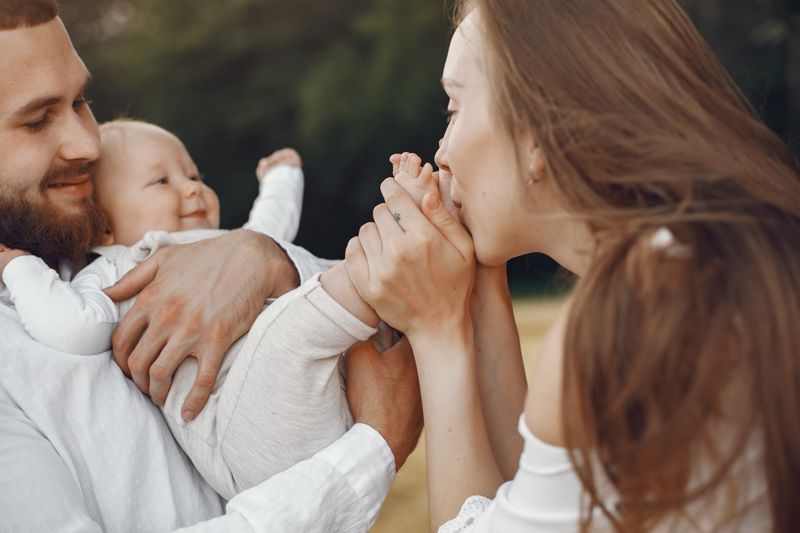
Being the non-biological parent in an LGBTQ+ family is a role filled with love, intention, and sometimes, quiet anxiety about whether your bond will be as deep and secure as the biological parent's. I want to tell you something important right from the start: biological connection is not the foundation of a parent-child bond. Presence, care, consistency, and love are. And every piece of research on the topic confirms this.
As a writer who has spoken with dozens of non-biological parents in LGBTQ+ families, I've heard the same fears and the same beautiful outcomes. The worry that you won't feel like a "real" parent is almost universal, and the discovery that you absolutely are is equally so. Let me share practical strategies and heartfelt wisdom from families who've walked this path.
Bonding During Pregnancy
Your connection with your child doesn't have to wait for birth. Active involvement during pregnancy establishes you as a parent in the eyes of your child from the very beginning, even before they're born. Research on prenatal bonding shows that babies in utero respond to familiar voices and can recognize voices they've heard regularly during the third trimester.
Talk to the baby. Read stories aloud. Sing to the belly. These might feel awkward at first, but they serve a dual purpose: your child begins to know your voice, and you begin to feel the reality of your parenthood. Attend every prenatal appointment you can. Feel the kicks. Look at the ultrasound images. These experiences build emotional investment that translates into bonding after birth.
According to the Mayo Clinic, parent-child bonding is a process that unfolds over time and is strengthened by consistent, loving interaction rather than biological connection alone. The World Health Organization recognizes diverse family structures and the capacity for strong parent-child attachments across all family types.
Creating a Pregnancy Ritual Together
Consider establishing a daily ritual that belongs specifically to you and the baby. Maybe it's reading a chapter from a favorite book each evening, playing a particular song, or spending five minutes with your hands on the belly talking about your day. This ritual creates a thread of connection that continues after birth and becomes part of your family's story.
The First Days and Weeks After Birth
The immediate postpartum period is a crucial window for bonding, and the non-biological parent should be actively involved from the very first moments. Skin-to-skin contact, sometimes called kangaroo care, is one of the most powerful bonding tools available, and it works equally well for non-biological parents.
Request skin-to-skin time as soon as possible after birth. Hold the baby against your bare chest, allowing the warmth and closeness to trigger the release of oxytocin, the bonding hormone, in both you and your baby. Studies show that skin-to-skin contact with any caregiver, not just the birthing parent, promotes regulation of the baby's heart rate, breathing, and temperature while building attachment.
- Take the first bath: If hospital practices allow, be the one to give the baby their first gentle sponge bath
- Change diapers: Yes, really. These intimate care moments build familiarity and confidence as a caregiver
- Do nighttime feedings: If using bottles, nighttime feedings create quiet, intimate bonding time that's uniquely yours
- Wear the baby: Baby-wearing in a carrier keeps the baby close to your body and heartbeat for extended periods
- Establish your own soothing techniques: Develop a specific way you hold, rock, or hum to the baby that becomes uniquely associated with you
Navigating the Hormonal Imbalance
The birthing parent experiences a hormonal cascade during and after birth that naturally facilitates bonding. As the non-biological parent, you don't get this automatic hormonal boost, which can make bonding feel less instinctive. This doesn't mean your bond will be weaker; it means it may develop through a slightly different pathway, one built more on intentional action than hormonal autopilot.
Research shows that non-biological parents who are actively involved in caregiving experience their own increases in oxytocin and decreases in testosterone, hormonal changes that promote nurturing behavior. These changes are driven by caregiving activity, not biology. The more you do, the more your body responds to support the parenting role.
Some non-biological parents experience a period of feeling like an outsider, especially if the birthing parent is breastfeeding and seems to have a more immediate connection with the baby. This is temporary and does not reflect the reality of your future relationship with your child. Your bond will be deep, real, and unbreakable. Our article on LGBTQ+ donor agreements covers the legal protections that formalize your parental status, while our talking to kids about their origins guide helps you navigate the identity conversations that come later.
Building Long-Term Connection
As your child grows, the non-biological parent's bond is reinforced through presence, participation, and the daily acts of parenting that accumulate into a deep relationship. Children don't measure love by biology; they measure it by who shows up.
Create traditions that belong specifically to you and your child. A special weekend breakfast routine, a bedtime story series, a weekly adventure or outing, anything that becomes "your thing" strengthens the unique relationship between you and your child. These shared experiences become the stories your child tells about their childhood, and they're as meaningful as any genetic connection.
Advocate for yourself in settings where the non-biological parent is sometimes overlooked: school forms, medical appointments, playgroup introductions. Assert your parenthood with quiet confidence. When you own your role fully, others follow your lead. The His and Hers Kit reflects the inclusive approach to family building that honors both parents' roles from the very beginning.
When Doubt Creeps In
It's normal to have moments of doubt, and it doesn't make you a bad parent. Moments when the baby cries and only wants the birthing parent, when a stranger asks "which one of you is the real mom," or when you feel like you're on the outside looking in. These moments sting, but they pass.
Connect with other non-biological parents who can validate your experience. Our article on queer family financial planning and our guide on fertility after transition are part of a broader conversation about the diverse paths to parenthood within the LGBTQ+ community.
You are not the secondary parent. You are not the lesser parent. You are a parent, period. Your child will know this in their bones, not because of chromosomes, but because of the countless moments of love, care, and devotion that define your relationship. That is what makes a parent real.


Ready to Start Your Journey?
Take our 30-second quiz to find the insemination kit designed for your specific situation.
Find Your Kit