Red Raspberry Leaf Tea and Fertility: Tonic or Myth?

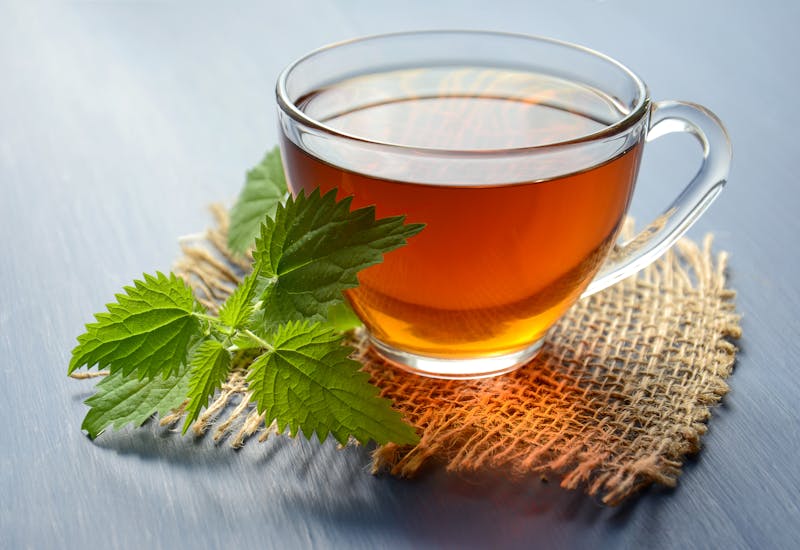
What Is Red Raspberry Leaf Tea?
Red raspberry leaf tea is made from the leaves of the red raspberry plant (Rubus idaeus), not from the berries themselves. It has been used in traditional herbal medicine for centuries, with historical records of its use in European, Native American, and Chinese folk medicine. The leaves are typically dried and brewed as a tea, though capsule and tincture forms are also available.
In fertility and pregnancy communities, red raspberry leaf has earned a devoted following. It is frequently recommended on TTC forums, in midwifery circles, and in books on natural fertility. The claims range from modest (it supports general uterine health) to ambitious (it increases fertility, prevents miscarriage, and shortens labor). As with many traditional herbal remedies, the truth lies somewhere between enthusiastic advocacy and dismissive skepticism.
This article examines what the scientific literature actually says about red raspberry leaf and fertility, separates the evidence-based claims from the speculative ones, and provides practical guidance for women considering adding it to their TTC routine.
The Uterine Tonic Theory
The central claim behind red raspberry leaf's fertility reputation is that it acts as a uterine tonic. In herbal medicine, a tonic is a substance that strengthens and tones a specific organ or system over time. The theory is that regular consumption of red raspberry leaf tea strengthens the uterine muscle, improves blood flow to the reproductive organs, and creates a more receptive environment for embryo implantation.
This theory has some basis in laboratory science. In vitro studies (experiments on tissue in a laboratory setting) have demonstrated that compounds in red raspberry leaf can affect uterine smooth muscle. A well-known study published in the BMC Complementary Medicine journal showed that raspberry leaf extract could both stimulate and relax uterine muscle tissue, depending on the initial state of the muscle. When the muscle was relaxed, the extract increased contractions; when it was already contracting, the extract helped regulate and coordinate the contractions.
This bidirectional effect is what herbalists point to when they describe raspberry leaf as a tonic rather than a stimulant. The idea is that it does not simply force the uterus to contract but helps it function more efficiently and with better coordination. Whether this laboratory observation translates to meaningful clinical benefits for fertility is the central unanswered question.
What the Research Actually Shows
The honest assessment is that the clinical evidence for red raspberry leaf tea as a fertility aid is thin. No randomized controlled trial has ever tested whether drinking raspberry leaf tea improves conception rates in women trying to conceive. The studies that do exist focus primarily on its use in late pregnancy and labor, not on preconception fertility.
The most frequently cited clinical study is an Australian randomized controlled trial published in the Journal of Midwifery and Women's Health. This study examined the effects of raspberry leaf tablets taken from 32 weeks of pregnancy through labor. The study found that raspberry leaf was associated with a shorter second stage of labor and a lower rate of forceps delivery. Importantly, it found no adverse effects on the mother or baby.
A second Australian study, a retrospective cohort, found similar results: women who consumed raspberry leaf products during pregnancy had a shorter labor and were less likely to require medical intervention during delivery. However, this study was retrospective (looking back at medical records), which makes it more susceptible to confounding variables.
For fertility specifically, the evidence is limited to the following categories:
- In vitro studies: Laboratory experiments showing that raspberry leaf compounds affect uterine smooth muscle contractility. These demonstrate a biological mechanism but do not prove clinical efficacy for conception.
- Nutritional analysis: Red raspberry leaf contains measurable amounts of vitamins and minerals relevant to fertility, including iron, calcium, magnesium, and vitamins C and E. However, the concentrations per cup of tea are modest compared to what a dedicated supplement provides.
- Traditional use data: Centuries of use by herbalists and midwives, documented in herbal pharmacopeias. Traditional use provides a safety signal (it has been consumed widely without reported harm) but does not substitute for clinical trials.
- Animal studies: Limited animal research showing effects on uterine tissue and reproductive hormone levels. These are hypothesis-generating but not directly applicable to human fertility.
The bottom line is that there is no direct evidence that red raspberry leaf tea improves fertility or increases the likelihood of conception. There is plausible biological reasoning and a long history of traditional use, but the gap between these and clinical proof is substantial.
Potential Benefits Beyond the Uterus
Even if the uterine tonic effect is not proven for fertility, red raspberry leaf tea offers nutritional and health benefits that may indirectly support overall reproductive wellness:
Vitamins and Minerals
Red raspberry leaf contains iron (which supports oxygen delivery to reproductive tissues), calcium (essential for cellular signaling and muscle function), magnesium (involved in over 300 enzymatic reactions including those related to hormone production), potassium (supports fluid balance and nerve function), and vitamins B, C, and E (antioxidants that protect cells from oxidative damage).
While these nutrients are present in meaningful amounts, they are not present at therapeutic doses. A cup of raspberry leaf tea provides roughly 2 to 5 percent of the daily value for most of these nutrients. It is a nice complement to a nutritious diet but should not be considered a substitute for a comprehensive prenatal or fertility supplement.
Antioxidant Properties
Red raspberry leaf is rich in polyphenols, including ellagic acid and various tannins. These compounds have demonstrated antioxidant activity in laboratory studies, meaning they can neutralize free radicals that damage cells. Oxidative stress is implicated in several aspects of reduced fertility, including poor egg quality, endometrial dysfunction, and embryo development issues.
A diet rich in antioxidants from diverse sources, including fruits, vegetables, teas, and other plant foods, is broadly recommended for women trying to conceive. Red raspberry leaf tea contributes to this antioxidant intake, though the degree to which it specifically enhances fertility through this mechanism is unknown. For a comprehensive overview of fertility-supportive eating, see our guide on what to eat when trying to conceive.
Anti-Inflammatory Effects
The tannins and polyphenols in raspberry leaf have demonstrated anti-inflammatory properties in laboratory settings. Given the role of chronic inflammation in conditions like endometriosis, PCOS, and unexplained infertility, any dietary contribution to reducing systemic inflammation could theoretically support reproductive health. However, the anti-inflammatory effect of drinking one to three cups of tea daily is modest compared to pharmaceutical interventions or significant dietary changes.
Digestive Support
Traditional herbal medicine values raspberry leaf for its mild astringent properties, which can help soothe digestive discomfort. Some women report that it helps with bloating and mild nausea. While not directly related to fertility, digestive comfort contributes to overall wellbeing during the TTC period and may support nutrient absorption from other foods and supplements.
How to Use Red Raspberry Leaf for TTC
Dosage
Traditional herbalist recommendations generally suggest one to three cups of tea per day. If you are new to raspberry leaf tea, start with one cup daily for a week to ensure you tolerate it well, then increase gradually if desired.
For tea preparation, use one teaspoon of dried loose-leaf raspberry leaf (or one tea bag) per cup. Pour boiling water over the leaves and steep for 10 to 15 minutes. Longer steeping times extract more of the active compounds but also produce a stronger, more astringent flavor. Some women prefer to make an infusion by steeping a larger quantity of dried leaf (one to two tablespoons) in a quart of hot water for four to eight hours or overnight, which produces a more concentrated brew.
Capsule forms are available for women who do not enjoy the taste of the tea. Typical capsule doses range from 400 to 800 mg per day. Look for capsules that contain only raspberry leaf without added fillers, and choose products from reputable brands that provide third-party testing for purity and potency.
Brewing Tips
The taste of red raspberry leaf tea is mild and slightly earthy, similar to a light green tea with a hint of fruitiness. It does not taste like raspberries. Many women find it pleasant on its own, while others prefer to blend it with other herbs or add honey. Common additions include peppermint (for flavor), nettle leaf (another traditional fertility herb), and a slice of lemon. If you are purchasing pre-made tea blends marketed for fertility, check the ingredient list to ensure you know what you are consuming, as some blends include herbs that may not be appropriate for everyone.
Timing in Your Cycle
Many herbalists recommend a cycle-based approach to raspberry leaf tea consumption:
- Menstruation through ovulation (follicular phase): Drink one to three cups daily. The theory is that the toning effects are most beneficial during the phase when the uterine lining is rebuilding and the body is preparing for ovulation.
- After ovulation through the end of the cycle (luteal phase): Some practitioners recommend reducing or discontinuing raspberry leaf tea during the luteal phase, particularly during the implantation window (approximately 6 to 12 DPO). The concern is that uterine stimulation during implantation could theoretically interfere with the embryo attaching to the uterine wall.
It is important to note that this cycle-based timing is based on traditional practice and theoretical reasoning, not clinical evidence. There are no studies showing that raspberry leaf tea consumed during the luteal phase interferes with implantation. However, the precautionary approach is reasonable given the lack of data, and many women find that having a structured protocol helps them feel more intentional about their TTC routine.
Safety During TTC and Pregnancy
Red raspberry leaf tea has a strong safety profile based on centuries of traditional use and the limited clinical data available. The Australian studies found no adverse effects in pregnant women who consumed it from 32 weeks onward. The NIH National Center for Complementary and Integrative Health (NCCIH) does not list raspberry leaf among herbs of significant safety concern.
However, safety during the preconception period and early pregnancy has not been rigorously studied. The general guidance from herbalists and midwives is as follows:
- During TTC (before conception): Generally considered safe in moderate amounts (one to three cups daily). No known fertility-related adverse effects.
- First trimester: Many practitioners recommend avoiding raspberry leaf tea during the first trimester due to the theoretical concern about uterine stimulation during the period of highest miscarriage risk. This is a precautionary recommendation, not based on documented harm.
- Second trimester: Some practitioners reintroduce raspberry leaf tea in small amounts during the second trimester, though others recommend waiting until the third trimester.
- Third trimester (32 weeks onward): This is the period with the most clinical evidence supporting safety and potential benefit. The Australian studies focused on this timeframe.
If you are actively trying to conceive and using raspberry leaf tea, the most conservative approach is to drink it during the follicular phase (menstruation through ovulation) and stop during the luteal phase and through early pregnancy. If you are unsure about your status, it is reasonable to discontinue until you have a confirmed negative pregnancy test. Monitoring cervical mucus changes throughout your cycle can help you stay connected to your body's signals alongside any herbal protocols.
Who Should Avoid It
While red raspberry leaf tea is safe for most women, certain groups should exercise caution or avoid it entirely:
- Women with a history of preterm labor: The theoretical uterine-stimulating effects make raspberry leaf inadvisable for women who have experienced premature contractions or preterm birth in previous pregnancies.
- Women with hormone-sensitive conditions: Some sources suggest that raspberry leaf may have mild estrogenic effects, though this has not been well established. Women with estrogen receptor-positive conditions should consult their healthcare provider before use.
- Women taking blood-thinning medications: Raspberry leaf's vitamin K content could theoretically interact with anticoagulants. If you are on blood thinners, check with your doctor.
- Women with a history of miscarriage in the first trimester: Given the theoretical concern about uterine stimulation, women with recurrent first-trimester loss may wish to avoid raspberry leaf during the implantation window and early pregnancy as a precautionary measure.
- Women with known allergies to plants in the Rosaceae family: If you are allergic to strawberries, roses, or other members of the rose family, you may also react to raspberry leaf.
Red Raspberry Leaf vs. Evidence-Based Supplements
One of the most important distinctions to make is between herbal remedies with traditional backing and supplements with clinical evidence. Red raspberry leaf falls firmly in the first category. While it is a pleasant, generally safe addition to a TTC routine, it should not replace supplements with stronger evidence for fertility support.
The nutrients with the strongest clinical evidence for supporting fertility include folate (critical for preventing neural tube defects and supporting DNA synthesis), vitamin D (associated with improved IVF outcomes and overall reproductive health), CoQ10 (shown to improve egg quality, particularly in women over 35), omega-3 fatty acids (anti-inflammatory, support hormonal balance), and iron (essential for building the uterine lining and supporting increased blood volume during pregnancy). For a deeper look at evidence-based options, our guide to the best fertility supplements for TTC covers the research behind each one.
Our Her Daily Formula is formulated with these clinically-studied nutrients in their most bioavailable forms, providing a research-backed nutritional foundation for conception. Red raspberry leaf tea can be a complementary addition alongside a comprehensive supplement, not a replacement for one.
For women interested in the broader world of herbal approaches to fertility, our fertility herbs guide reviews several traditional remedies, including vitex (chasteberry), maca root, and ashwagandha, and examines the evidence for each. Women with PCOS may also find our PCOS supplement stack guide helpful for building a targeted protocol.
The Bottom Line
Red raspberry leaf tea occupies a familiar space in the world of natural fertility support: beloved by traditional medicine, biologically plausible, but unproven by the standard of modern clinical trials. It is not a fertility treatment, and women who are counting on it to help them conceive may be disappointed. But it is also not snake oil. It is a nutrient-rich, antioxidant-containing, traditionally valued herbal tea with an excellent safety profile.
If you enjoy drinking it, it fits into a balanced TTC lifestyle alongside proper nutrition, targeted supplementation, accurate ovulation tracking, and appropriate medical care. If you do not enjoy drinking it, you are not missing out on anything that cannot be obtained through other, better-evidenced interventions. The key is to keep herbal remedies in perspective: they can complement a fertility plan but should never form the foundation of one. For a comprehensive approach, the Her Complete Kit bundles evidence-based nutritional support with everything you need for at-home insemination.
Frequently Asked Questions
Does red raspberry leaf tea help you get pregnant?
There is no clinical evidence from human trials that red raspberry leaf tea directly improves the chances of conception. The tea has a long history of traditional use as a uterine tonic, and laboratory studies have shown effects on uterine smooth muscle tissue, but no randomized controlled trials have tested whether drinking the tea increases pregnancy rates. It may offer indirect benefits through its nutritional content and anti-inflammatory properties, but it should not be relied upon as a primary fertility treatment.
When should you drink red raspberry leaf tea when TTC?
Traditional herbalists recommend drinking red raspberry leaf tea during the follicular phase of the menstrual cycle (from menstruation through ovulation) and discontinuing it during the luteal phase (after ovulation through the start of the next period). The rationale is that its toning effects on uterine muscle may be most beneficial while the uterine lining is building, and the theoretical concern is that uterine stimulation after ovulation could interfere with implantation. This guidance is based on traditional practice, not clinical evidence.
Is red raspberry leaf tea safe during early pregnancy?
The safety of red raspberry leaf tea during early pregnancy is debated. Many midwives and herbalists recommend avoiding it during the first trimester due to theoretical concerns about uterine stimulation, while some consider it safe in small amounts. An Australian study found no adverse effects when raspberry leaf was taken from 32 weeks of pregnancy onward. The most conservative approach is to discontinue raspberry leaf tea once you enter the two-week wait or receive a positive pregnancy test, and to discuss resuming it with your midwife or obstetrician later in pregnancy.
How much red raspberry leaf tea should I drink per day?
Traditional recommendations suggest one to three cups per day. Start with one cup daily and gradually increase to two or three cups if tolerated well. Each cup is typically brewed with one teaspoon of dried leaf or one tea bag steeped in hot water for 10 to 15 minutes. Capsule forms are also available, typically dosed at 400 to 800 mg per day. Because red raspberry leaf is classified as a dietary supplement and not a medication, there are no standardized clinical dosing guidelines.