The Fertility Diet: What to Eat and Avoid When Trying to Conceive
 By Ro Huntriss
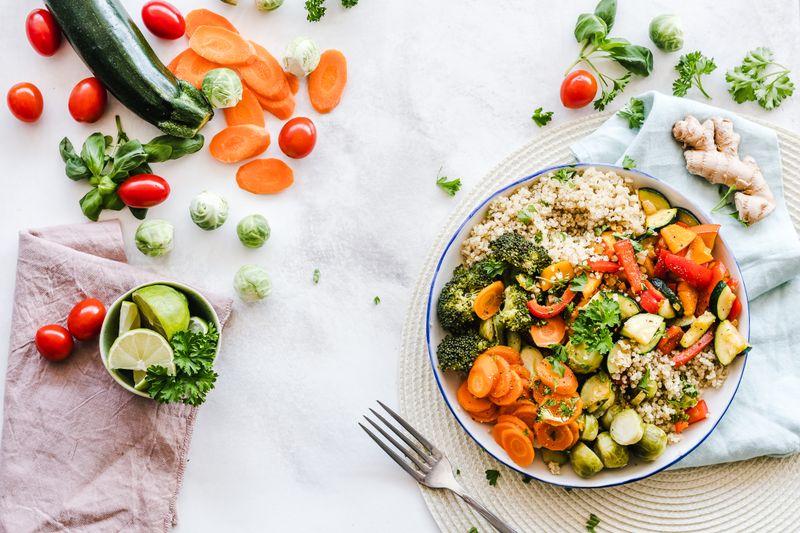
When you are trying to conceive, everything you put on your plate matters more than you might think. The connection between diet and fertility is not theoretical. It is backed by some of the largest and most rigorous nutritional studies ever conducted. What you eat influences your hormones, your egg quality, your partner's sperm quality, your ovulation regularity, and your body's ability to support a healthy pregnancy. This guide focuses on whole foods and dietary patterns rather than supplements, because the foundation of fertility nutrition is built at the grocery store, not the supplement aisle. For specific supplement recommendations, see our fertility supplements guide.
The Research: What Large Studies Tell Us
The most influential research on diet and fertility comes from the Harvard Nurses' Health Study II, which followed over 18,000 women and identified specific dietary patterns associated with reduced risk of ovulatory infertility. The findings, published in a series of peer-reviewed papers, showed that women who followed what researchers called a "fertility diet" had a 66% lower risk of ovulatory infertility and a 27% lower risk of infertility from all causes compared to women eating a typical Western diet.
The pattern that emerged was remarkably consistent with the Mediterranean diet: whole grains over refined carbohydrates, plant protein alongside animal protein, full-fat dairy instead of low-fat versions, healthy unsaturated fats in place of trans fats, and abundant fruits and vegetables. Subsequent research has confirmed and expanded on these findings, showing similar dietary patterns benefit male fertility as well.
The American College of Obstetricians and Gynecologists recommends a nutrient-dense eating pattern for women planning pregnancy, emphasizing that nutritional preparation should begin before conception, not after a positive test.
Foods That Support Fertility
Leafy Greens and Cruciferous Vegetables
Dark leafy greens like spinach, kale, Swiss chard, and arugula are among the most nutrient-dense foods you can eat while TTC. They provide natural folate, iron, calcium, and a wealth of antioxidants that protect both eggs and sperm from oxidative damage. Cruciferous vegetables like broccoli, Brussels sprouts, and cauliflower contain compounds that support healthy estrogen metabolism, helping your body maintain the hormonal balance needed for regular ovulation.
Aim for at least 2-3 servings of leafy greens daily. They can be added to smoothies, used as salad bases, sauteed as side dishes, or folded into soups and stews. Cooking slightly reduces folate content but increases the bioavailability of other nutrients, so eating a mix of raw and cooked greens gives you the best of both worlds.
Fatty Fish and Omega-3 Rich Foods
Salmon, sardines, mackerel, and herring are excellent sources of omega-3 fatty acids, which play a critical role in hormone production, inflammation reduction, and egg quality. Research has shown that women with higher omega-3 intake have better ovarian reserve markers and improved embryo quality. For men, omega-3s support sperm membrane integrity and motility. Our guide to male fertility and sperm quality covers the full range of nutritional factors that affect sperm health.
Aim for 2-3 servings of fatty fish per week. Choose wild-caught when possible, and stick to low-mercury species. Sardines and salmon are among the safest options with the highest omega-3 content. If you do not eat fish, walnuts, flaxseeds, chia seeds, and hemp seeds provide plant-based omega-3s, though the conversion from ALA to the active forms (EPA and DHA) is less efficient.
Whole Grains and Complex Carbohydrates
The type of carbohydrate you eat matters significantly for fertility. Refined carbohydrates like white bread, white rice, and sugary cereals cause rapid spikes in blood sugar and insulin, which can disrupt ovulation. Whole grains like oats, quinoa, brown rice, farro, and whole wheat maintain steadier blood sugar levels, supporting the hormonal stability that regular ovulation requires.
The Harvard study found that replacing even one or two servings of refined carbohydrates with whole grains was associated with improved fertility outcomes. This does not mean you need to eliminate all refined grains, but making whole grains your default choice is one of the simplest and most impactful changes you can make.
Legumes and Plant Proteins
Beans, lentils, chickpeas, and other legumes are fertility powerhouses. They provide plant-based protein, folate, iron, fiber, and complex carbohydrates in a single food. The Harvard research found that replacing some animal protein with plant protein was associated with lower ovulatory infertility risk. This does not mean you need to become vegetarian, but incorporating legumes into your meals several times per week provides meaningful nutritional benefits.
Legumes are also among the most affordable nutrient-dense foods available, making them an excellent choice for couples who want to optimize their diet without dramatically increasing their grocery budget.
Berries and Antioxidant-Rich Fruits
Blueberries, strawberries, raspberries, and blackberries are concentrated sources of antioxidants that protect reproductive cells from oxidative stress. Oxidative damage is one of the primary mechanisms behind age-related declines in egg and sperm quality, and dietary antioxidants help counteract this process. For more on how age affects fertility and what you can do about it, see our guide on fertility after 35.
Other antioxidant-rich fruits include pomegranates, cherries, and citrus fruits. Aim for 2-3 servings of fruit daily, emphasizing variety and color. Each color represents a different set of antioxidant compounds, so eating a rainbow of produce maximizes your protective coverage.
Nuts, Seeds, and Healthy Fats
Healthy fats are essential for hormone production, and your reproductive hormones are built from cholesterol and fatty acids. Avocados, olive oil, nuts, and seeds provide monounsaturated and polyunsaturated fats that support estrogen and progesterone balance. Walnuts in particular have been studied for their effect on sperm quality, with research showing improvements in motility and morphology.
Full-fat dairy, when consumed in moderation, was associated with lower ovulatory infertility risk in the Harvard study, while low-fat dairy showed the opposite effect. Researchers hypothesize that the fat-soluble hormones and vitamins present in full-fat dairy may support reproductive function. If you tolerate dairy, choosing full-fat yogurt, whole milk, or cheese over their skim counterparts may be beneficial.
Eggs
Eggs are one of the few food sources of choline, a nutrient critical for fetal brain development that many women do not get enough of. They also provide high-quality protein, vitamin D, B vitamins, and selenium. The yolk contains the majority of these nutrients, so whole eggs are significantly more nutritious than egg whites alone. Two eggs per day is a reasonable and well-studied intake level.
Foods to Limit or Avoid
Trans Fats
Trans fats are the single most harmful dietary component for fertility identified in the research. The Harvard study found that even small amounts of trans fat, as little as 2% of total calories, were associated with significantly increased ovulatory infertility risk. Trans fats are found primarily in partially hydrogenated oils, which appear in some commercially fried foods, packaged baked goods, margarine, and processed snacks. Reading labels and avoiding products with partially hydrogenated oils is one of the highest-impact changes you can make.
Excess Sugar and Refined Carbohydrates
High sugar intake disrupts insulin signaling, which in turn disrupts the hormonal cascade that drives ovulation. Women with polycystic ovary syndrome (PCOS) are particularly sensitive to this effect, but it applies broadly. Sugary drinks are among the worst offenders, as they deliver large amounts of sugar rapidly without any fiber or protein to slow absorption. Replacing sweetened beverages with water, herbal tea, or sparkling water is a meaningful step.
Excess Alcohol
The Mayo Clinic's fertility guidance recommends minimizing alcohol intake when trying to conceive. Research has shown that even moderate alcohol consumption can reduce fertility in both women and men, with effects on ovulation timing, hormone levels, and sperm quality. While the occasional glass of wine is unlikely to be harmful, regular or heavy drinking is associated with longer time to conception and higher miscarriage risk. Most fertility specialists recommend reducing alcohol as much as possible during the TTC period and eliminating it entirely once pregnant.
Processed Meats
Bacon, sausage, hot dogs, deli meats, and other processed meats have been associated with lower sperm quality in men and may negatively affect female fertility as well. The nitrates, preservatives, and processing methods used in these products are the likely culprits. Replacing processed meats with fresh options like grilled chicken, fish, or plant proteins is a straightforward swap with measurable benefits.
High-Mercury Fish
While fish is beneficial for fertility, high-mercury species like swordfish, king mackerel, tilefish, and bigeye tuna should be avoided. Mercury accumulates in the body and can harm a developing nervous system. Stick to low-mercury options like salmon, sardines, shrimp, and light canned tuna, and limit total fish consumption to 2-3 servings per week.
A Sample Fertility-Friendly Day of Eating
Breakfast: Two eggs scrambled with spinach and tomatoes, served with whole grain toast drizzled with olive oil and a side of mixed berries.
Lunch: A large salad with mixed greens, chickpeas, avocado, walnuts, roasted sweet potato, and a lemon-olive oil dressing. A piece of whole fruit on the side.
Snack: Full-fat Greek yogurt with a handful of almonds and a drizzle of honey.
Dinner: Baked salmon with roasted broccoli and quinoa. A side of sauteed kale with garlic and lemon.
This is not a prescription but an illustration of how the principles above come together in a realistic day of eating. The pattern is more important than any single meal. Consistently eating a variety of whole, nutrient-dense foods while limiting processed items, added sugars, and trans fats is what the research supports.
Diet for Male Fertility Too
Everything in this guide applies to men as well. Sperm quality is directly influenced by dietary patterns, with the same nutrients that support egg quality, antioxidants, omega-3s, zinc, folate, and selenium, also supporting sperm count, motility, and morphology. Couples who optimize their nutrition together see better outcomes than when only one partner makes changes. For a comprehensive look at what men can do beyond diet, our guide on the male fertility crisis and sperm quality covers the full picture. For specific supplement recommendations for both partners, see our CoQ10 guide and prenatal vitamins guide.
For daily nutritional support, Her Daily Formula provides bioavailable Folate, CoQ10, and Vitamin D specifically formulated for women on a conception journey.
Making It Sustainable
The most important fertility diet is one you can actually stick with. Perfection is not required, and the stress of trying to eat perfectly can itself be counterproductive. Aim for an 80/20 approach: eat fertility-supportive foods most of the time, and do not beat yourself up over occasional indulgences. Gradual changes that become permanent habits are far more valuable than dramatic overhauls that last two weeks.
Start by identifying two or three changes from this guide that feel manageable and implement those first. Once they become routine, add another two or three. Over the course of a few months, your overall dietary pattern will shift substantially without the overwhelm of trying to change everything at once. For a full month-by-month plan of how to prepare your body for conception, see our baby planning guide.
Pairing your optimized diet with the right conception tools gives you the strongest foundation for success. The BabyMaker offers a comfortable, medical-grade silicone design that makes at-home insemination straightforward, so your timing and nutrition work together to maximize every cycle.
Frequently Asked Questions
What is the best diet for getting pregnant?
The best-studied dietary pattern for fertility is the Mediterranean diet, which emphasizes vegetables, fruits, whole grains, legumes, nuts, olive oil, and fish while limiting red meat, processed foods, and added sugars. The Harvard Nurses Health Study II found that women who followed a similar pattern had significantly lower rates of ovulatory infertility. There is no single perfect fertility diet, but the consistent evidence points to a whole-foods-based eating pattern rich in antioxidants, healthy fats, plant proteins, and complex carbohydrates as the most supportive approach for both female and male fertility.
Can diet alone improve fertility?
Diet can meaningfully improve fertility, particularly for ovulatory disorders and sperm quality, but it is rarely a standalone solution for all fertility challenges. Conditions like blocked fallopian tubes, severe male factor infertility, or endometriosis require medical treatment regardless of how well you eat. However, for couples with unexplained infertility, irregular ovulation, or borderline semen analysis results, dietary changes can make a measurable difference. Think of diet as one of the most powerful modifiable factors in your overall fertility picture, not a cure-all, but a foundation that supports everything else you are doing.
How long before TTC should I change my diet?
Ideally, begin shifting your eating patterns at least 3 months before you start trying to conceive. This timeline aligns with the approximately 90-day maturation cycle for both eggs and sperm, meaning the nutrients you consume today directly influence the quality of the eggs and sperm that will be involved in conception 3 months from now. That said, any improvement at any time is beneficial. If you are already trying, starting today is better than waiting. Nutritional changes do not need to happen overnight either. Gradual shifts toward a more fertility-supportive diet are more sustainable than dramatic overhauls.
Does caffeine affect fertility?
The research on caffeine and fertility shows that moderate caffeine intake, generally defined as 200 mg per day or less, roughly one 12-ounce cup of coffee, does not appear to significantly harm fertility for most women. However, higher intake has been associated with longer time to conception and increased miscarriage risk in some studies. The ACOG recommends limiting caffeine to 200 mg daily during pregnancy, and most fertility specialists suggest adopting that limit while trying to conceive as well. If you are a heavy coffee drinker, tapering gradually rather than quitting abruptly is more comfortable and sustainable.

Ready to Start Your Journey?
Take our 30-second quiz to find the insemination kit designed for your specific situation.
Find Your Kit