LIMITED TIME: Lock in 60% off before the price increases. 2,847 people viewing this page right now.
GUIDE

At-Home Insemination Guide: How to Use a Kit + Success Tips (2026)

Published March 17, 2026 · Updated March 21, 2026 · 15 min read

An at-home insemination kit is one of the most effective, affordable, and private tools available to people trying to conceive outside a clinical setting. Whether you are a single woman using donor sperm, part of an LGBTQ+ couple building a family, or a heterosexual couple dealing with timing challenges or mild male-factor infertility, an at-home insemination kit can give you a real chance at conception without the clinic waiting rooms, the sterile atmosphere, or the five-figure price tags that come with most fertility treatments.

This guide covers everything: what at-home insemination actually is, exactly how to use a kit step by step, which kit to choose for your situation, how to optimize your timing, what to expect from success rates, and when it makes sense to loop in a fertility specialist. By the end, you will have a clear, practical picture of how this works — no clinical jargon, no vague generalities.

What Is At-Home Insemination?

At-home insemination uses a syringe or specialized applicator to place sperm near the cervix inside the vaginal canal. The medical term for this is intracervical insemination (ICI). Unlike intrauterine insemination (IUI), which requires a clinician to thread a catheter past the cervix to deposit sperm directly into the uterus, ICI deposits sperm at the cervical opening, where it can naturally travel through the cervix and into the uterus on its own.

The procedure itself takes less than five minutes. There is no need for anesthesia, no speculum, and no office visit. Most people find the experience far less stressful than a clinical procedure — and reduced stress is associated with better fertility outcomes, since high cortisol levels can interfere with ovulation.

At-home insemination is sometimes called "turkey baster insemination" in casual conversation, a term that undersells the sophistication of modern purpose-built kits. Today's kits are made from medical-grade silicone, engineered for specific fertility situations, and designed with user comfort as a central priority.

Who Is At-Home Insemination For?

At-home insemination serves a wide range of people on their path to parenthood:

At-home insemination is most effective when the person trying to conceive has no significant structural fertility barriers — open fallopian tubes, relatively normal ovulation, and access to healthy sperm. If there are known fertility diagnoses on either side, a consultation with a reproductive specialist can help you understand whether ICI is an appropriate first step.

Choosing the Right At-Home Insemination Kit

Not all insemination kits are the same, and the differences matter. A pharmacy syringe was not designed for internal reproductive use — materials may not be body safe, size and tip design may be inappropriate, and there are no instructions calibrated to this specific purpose. Purpose-built kits address all of these gaps.

MakeAMom offers three condition-specific kits — one of the clearest differentiators in the market:

All three kits are reusable, washable, and made from medical-grade materials. Not sure which one fits your situation? Take our 30-second quiz and we'll recommend the right match.

When comparing kits across brands, key factors to evaluate include: material safety (medical-grade, BPA-free), whether the kit is reusable or single-use, whether there are condition-specific design features relevant to your situation, and the total lifetime cost across the number of cycles you expect to try. See our full MakeAMom vs. Mosie Baby vs. PherDal comparison for a detailed breakdown.

Step-by-Step: How to Use an At-Home Insemination Kit

The process is simpler than most people expect. Here is a complete walkthrough:

Step 1: Track Your Ovulation Carefully

Timing is the single most important variable in at-home insemination. Use ovulation predictor kits (OPKs) to detect your LH surge — the hormonal spike that precedes ovulation by 24 to 36 hours. Start testing around day 10 of your cycle (counting from the first day of your period) and test at the same time each day, ideally mid-morning or early afternoon. Some people also use basal body temperature (BBT) tracking and cervical mucus monitoring as secondary signals. When your OPK turns positive, plan to inseminate within 12 to 24 hours.

Step 2: Prepare Your Space

Lay out everything you need before you begin: your kit, the sperm sample, a clean towel or pad, and optionally a pillow for hip elevation. Wash your hands thoroughly. If you use any lubricant, ensure it is fertility-safe — most standard lubricants are harmful to sperm motility. Pre-Seed and a few other brands are specifically formulated to be sperm-compatible.

Step 3: Prepare the Sperm Sample

If using fresh sperm from a known donor, collect the sample in a sterile, non-toxic specimen cup and use it within 30 to 60 minutes. Exposure to air, temperature extremes, and time all reduce sperm viability. If using frozen donor sperm from a sperm bank, follow the thawing protocol provided by your cryobank exactly. Typically, this involves removing the vial from the liquid nitrogen storage tank and allowing it to thaw at room temperature for 10 to 30 minutes (not in warm water, not in a microwave). Read our guide to thawing frozen sperm at home for complete instructions.

Step 4: Draw the Sample Into Your Kit

Open your kit and assemble the components according to the instructions. Draw the sperm sample into the syringe by placing the tip into the specimen cup and slowly pulling back the plunger. Draw slowly to avoid creating air bubbles. Once the sample is in the syringe, hold it tip-upward and gently depress the plunger until a small drop appears at the tip — this removes any remaining air, which could displace sperm during deposit.

Step 5: Position Yourself Comfortably

Lie on your back with your hips flat or slightly elevated on a pillow. Relax as much as possible — muscle tension can make insertion uncomfortable and is counterproductive. Some people find it helpful to do a few deep breaths or put on calming music before beginning.

Step 6: Insert the Applicator Gently

Gently insert the syringe or applicator into the vaginal canal, aiming slightly toward the back wall (toward the cervix). Most kits should be inserted two to three inches. You should feel no pain. If you feel resistance or discomfort, adjust the angle slightly or pause and relax before continuing. Do not force the applicator. The BabyMaker kit's ultra-soft tip is specifically designed to minimize any sensation of resistance for people with pelvic sensitivity.

Step 7: Deposit the Sample Slowly

Once the applicator is positioned, slowly and steadily depress the plunger to deposit the sperm sample. "Slowly" is key — a fast push can splash the sample away from the cervical os rather than depositing it there. Take three to five seconds to empty the syringe completely.

Step 8: Rest in Place for 15 to 30 Minutes

After depositing the sample, remove the applicator gently while maintaining your lying-down position. Stay lying down for at least 15 minutes — 30 minutes is better if you can manage it. Some research suggests that hip elevation (placing a pillow under your hips) may help prevent the sample from moving away from the cervix, though the evidence is mixed. What is clear is that getting up immediately is counterproductive. Rest, relax, and let the sperm do their work.

Step 9: Clean and Store Your Kit

If using a reusable kit like MakeAMom's, clean all components thoroughly with mild soap and warm water immediately after use. Rinse well to remove all soap residue. Allow all components to air dry completely before storing. Do not use harsh disinfectants or boiling water, which can degrade the materials.

Step 10: The Two-Week Wait

Now comes the hardest part: waiting. Pregnancy tests are most accurate from the first day of your expected period. Testing before this point can result in false negatives (the HCG level may not yet be detectable). If your period does not arrive on schedule, take a pregnancy test. If it is negative and your period still does not come, test again two days later.

Ovulation Timing: The Most Critical Factor

If there is one thing to take away from this guide, it is this: timing your insemination relative to ovulation matters more than any other variable. Perfect sperm, a perfect kit, and perfect technique will not help if the timing is off by more than a day or two.

Here is what you need to understand about the fertile window:

Many first-time inseminators miss their window because they are not tracking ovulation beforehand. Track for at least one full cycle before your first attempt so you know your typical pattern. Cycle length varies significantly between individuals, and assuming you ovulate on day 14 (the textbook average) is often wrong.

For a comprehensive guide to tracking your cycle, read our article on ICI timing with ovulation, which covers OPKs, BBT, cervical mucus, and fertility monitoring apps.

Success Rates: What to Realistically Expect

At-home ICI success rates run approximately 10 to 15 percent per cycle for people under 35 with no underlying fertility issues. To put that in context:

ICI's lower rate compared to IUI is because IUI deposits sperm past the cervical mucus directly into the uterus, reducing the distance sperm must travel. ICI relies on sperm traversing the cervix on their own, which results in more sperm being filtered out along the way. That said, the gap between home ICI and clinical IUI is smaller than many people expect, particularly when ovulation timing is accurate.

Cumulative success rates are more encouraging. Over six well-timed cycles, many people with no underlying fertility issues will conceive. The key is not giving up after one or two attempts — the odds per cycle are low, but they compound over time. For a data-driven deep dive, read our article on ICI success rates by situation.

Proper positioning after insemination also plays a role — our insemination positioning guide covers the most effective positions for sperm retention after deposit.

Tips for Maximizing Your Chances

  1. Inseminate twice per cycle. Once when you get a positive OPK, and again 12 to 24 hours later. Two inseminations per cycle is consistently associated with better outcomes than one.
  2. Use the right kit for your situation. A kit designed for frozen donor sperm will outperform a general-purpose kit in that use case. Match your kit to your specific circumstances.
  3. Track ovulation for at least one cycle before your first attempt. Know your pattern before you start spending on sperm and kits.
  4. Take prenatal vitamins with folate (or methylfolate) for at least three months before trying to conceive. Folate is critical for early fetal development and some people absorb methylfolate more effectively than folic acid.
  5. Reduce alcohol and caffeine in the weeks leading up to insemination, particularly during your fertile window.
  6. Use only fertility-safe lubricants. Standard lubricants, saliva, and oils can all impair sperm motility. Pre-Seed is the most widely recommended sperm-safe lubricant.
  7. Stay lying down for 30 minutes after insemination. This is not optional — getting up immediately is one of the most common mistakes.
  8. Manage stress actively. High cortisol can suppress the hormonal signals that trigger ovulation. Regular exercise, adequate sleep, and stress management practices all support fertility outcomes.
  9. Consider sperm quality if using a known donor. Ask about a semen analysis, which tests for volume, concentration, motility, and morphology. Even mild male-factor issues can affect outcomes and might indicate the Impregnator kit is a better choice than a standard kit.
  10. Keep a cycle log. Note your OPK results, insemination timing, and any symptoms you observe each cycle. This information is invaluable if you eventually consult with a specialist.

When to See a Doctor

At-home insemination is a legitimate first-line approach for many people, but it is not a substitute for medical evaluation in all cases. Consider consulting a reproductive endocrinologist if:

A reproductive endocrinologist can run blood tests (AMH, FSH, estradiol), an antral follicle count via ultrasound, a hysterosalpingogram (HSG) to check tube patency, and a semen analysis to give you a full picture. This information can help you decide whether to continue with at-home insemination, move to IUI, or explore other options. Read our guide on when to see a fertility doctor for more detail on what these tests involve.

Frequently Asked Questions

How many times should you try home insemination before seeing a doctor?

The standard guideline is six well-timed cycles if you are under 35, and three cycles if you are 35 or older. "Well-timed" is the operative word — if you are not accurately tracking ovulation, you may be missing your window and the attempt doesn't count as a genuine cycle. If you have any known fertility risk factors (irregular cycles, PCOS, endometriosis, previous ectopic pregnancy), do not wait six cycles — consult a specialist earlier. See our detailed article on how many ICI attempts to try before seeking clinical help.

What is the success rate of at-home insemination?

At-home intracervical insemination (ICI) has a per-cycle success rate of approximately 10 to 15 percent for people under 35 with no underlying fertility issues. This is comparable to the natural monthly conception rate and not dramatically lower than clinical IUI. Success rates drop with age and are affected by sperm quality, ovulation accuracy, and underlying reproductive health. Over six cycles, cumulative success rates are considerably higher than the per-cycle figure suggests. Read our full article on home insemination success rates for an age-stratified breakdown.

Can you do home insemination with donor sperm?

Yes — using donor sperm from a licensed cryobank is one of the most common applications of at-home insemination kits. Sperm banks ship cryopreserved vials directly to your home in a liquid nitrogen tank. You thaw the vial following the bank's protocol and use it with your kit. The CryoBaby kit is specifically designed for the smaller volumes of frozen donor sperm vials. Always purchase from an FDA-registered human cell and tissue establishment to ensure proper screening and legal compliance. See our guide to choosing a sperm bank for a full overview.

Is at-home insemination safe?

Yes, at-home insemination is considered safe when performed with a purpose-built kit made from body-safe, medical-grade materials. Intracervical insemination does not require any penetration beyond the vaginal canal and carries none of the infection risks associated with transcervical clinical procedures. Use a kit made from medical-grade silicone or BPA-free materials — not improvised tools. If you experience pain, unusual discharge, or fever following insemination, contact your healthcare provider. If using donor sperm, always source from a screened, FDA-registered cryobank.

Do at-home insemination kits really work?

Yes. At-home insemination kits have a documented per-cycle success rate of 10 to 15 percent, and hundreds of thousands of people have conceived using them. The keys are accurate ovulation timing, quality sperm, the right kit for your situation, and patience across multiple cycles. At-home kits work best when there are no significant structural barriers — blocked tubes, severe male-factor infertility, or anovulation may require clinical intervention. But for many people, at-home insemination is a highly effective and significantly more affordable first step than clinical treatments.

What is the best at-home insemination kit?

The best kit depends on your situation. If you are using frozen donor sperm, the CryoBaby is optimized for that purpose. If you or your partner have low sperm motility, the Impregnator's soft cup design holds sperm near the cervix for extended contact time. If you have vaginismus or pelvic sensitivity, the BabyMaker's flexible tip minimizes discomfort. All three are reusable and significantly more cost-effective than disposable alternatives over multiple cycles. Not sure? Take our quiz for a personalized recommendation.

When during your cycle should you do home insemination?

Inseminate as close to ovulation as possible — ideally once when you get a positive ovulation predictor kit (OPK) result, and again 12 to 24 hours later. Your LH surge precedes ovulation by 24 to 36 hours, so a positive OPK means ovulation is imminent. Two inseminations per cycle, spaced 12 to 24 hours apart, consistently outperform single-insemination cycles. Do not rely on calendar dating alone — cycle lengths vary significantly between individuals and even between cycles in the same person.

Medically Relevant

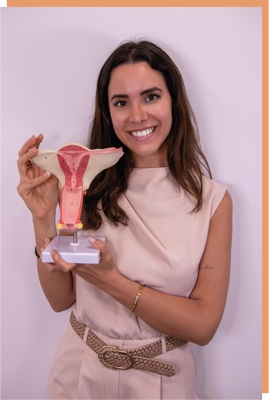
Dra. Gloria Rivero, MD, Women's Health Physician & Educator, endorses MakeAMom's approach to at-home insemination. View profile →

Ready to Start Your Journey?

Take our 30-second quiz to find the insemination kit designed for your specific situation — donor sperm, low motility, vaginismus, or standard use.

Find Your Kit