ICI at Home vs at the Clinic
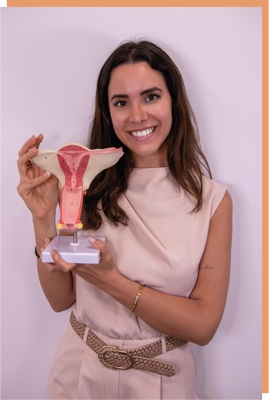

Intracervical insemination, commonly known as ICI, is one of the most accessible fertility procedures available today, and it can be performed in two very different settings: the comfort of your own home or a medical clinic. Each option comes with its own set of trade-offs, and what works brilliantly for one person may not suit another at all. I went through both experiences in my own journey, and I want to give you an honest comparison so you can figure out which approach aligns with your needs, your body, and your life right now.
How ICI Works: The Basics
ICI involves placing unwashed semen near the cervix using a needleless syringe or specialized insemination device. Unlike intrauterine insemination (IUI), which requires sperm to be washed and placed directly inside the uterus by a medical professional, ICI deposits sperm at the cervical opening where it naturally enters the reproductive tract. This makes ICI simpler, less invasive, and something that can be safely done outside a medical office.
The procedure itself takes just a few minutes. You draw the semen into a syringe, gently insert it, and slowly depress the plunger to deposit the sample near the cervix. Then you rest for 15 to 30 minutes. The simplicity of ICI is precisely what makes it viable at home, though clinics offer it too with additional monitoring and support.
Whether you are using fresh sperm from a known donor or frozen donor sperm, ICI remains the same fundamental process. For a detailed walkthrough of using frozen sperm specifically, check out our guide on ICI with frozen donor sperm step by step.
ICI at Home: Benefits and Considerations
The most immediate advantage of at-home ICI is the autonomy it gives you. You control the environment, the schedule, and the pace. There is no driving to an appointment during your lunch break, no sitting in a waiting room surrounded by strangers, and no pressure to hurry through the process because the clinic needs the room. You can light candles, play music, have your partner or support person right beside you, and create whatever atmosphere helps you feel calm and present.
Privacy is another significant factor. Not everyone is ready to share their fertility journey with a clinical team, especially early on. At-home ICI lets you keep the experience intimate and contained. For single women and same-sex couples who may already feel like their family-building process is under scrutiny, this privacy can be deeply meaningful.
Cost savings are substantial as well. A clinic visit for ICI typically runs $200 to $500 before adding ultrasound monitoring, bloodwork, or consultation fees. At-home ICI with a quality kit costs a fraction of that per cycle. Given that multiple attempts are common, the cumulative savings can be thousands of dollars over the course of your journey.
Potential Drawbacks of Home ICI
At-home ICI does come with some limitations you should consider honestly. You will not have ultrasound confirmation of follicle development or ovulation timing. You are relying on ovulation predictor kits and body awareness rather than clinical monitoring. If you have any difficulty with the procedure, there is no medical professional on hand to troubleshoot. And if you are using frozen sperm, you need to manage the thawing process correctly yourself, which requires careful attention to timing and temperature.
Some women also find that the responsibility of performing the procedure themselves creates anxiety rather than comfort. If you are someone who draws confidence from professional guidance, the clinical setting may actually feel more relaxing for you. There is no shame in that.
ICI at the Clinic: Benefits and Considerations
Clinic-based ICI offers the reassurance of medical expertise and equipment. Your provider can perform the insemination with precision, confirm proper placement, and address any concerns on the spot. Many clinics pair ICI with monitored cycles, using ultrasound to track follicle growth and bloodwork to confirm your hormonal readiness. This monitoring can significantly improve your timing accuracy.
For women with irregular cycles, PCOS, or other conditions that make ovulation prediction challenging, clinic monitoring is particularly valuable. Knowing that you have a mature follicle and that your LH surge is confirmed takes the guesswork out of the equation. According to the American Society for Reproductive Medicine, accurate ovulation timing is one of the most critical factors in insemination success.
Clinics also handle frozen sperm logistics seamlessly. They receive shipments, store vials properly, and manage the thawing process with practiced expertise. If you are using frozen donor sperm and feel uncertain about handling it yourself, having the clinic manage this eliminates one significant source of stress.
Potential Drawbacks of Clinic ICI
Cost is the most obvious disadvantage. Beyond the procedure fee itself, monitored cycles add ultrasound and lab costs. Multiple visits per cycle may be required. If your clinic is not nearby, travel time and expenses add up. And clinic schedules are not always perfectly flexible. If your LH surge happens over the weekend and your clinic does not offer weekend procedures, you may miss your window.
The clinical atmosphere itself can be a drawback for some women. The process of checking in, changing into a gown, and lying on an exam table can feel impersonal for something so profoundly personal. While most fertility clinic staff are wonderfully compassionate, the setting is still medical, and that is not where everyone feels their best.
Making Your Decision: A Side-by-Side Comparison
To help you think through the choice systematically, here is how the two settings compare across the factors that matter most:
- Cost per cycle: At home is significantly less expensive, often one-third to one-fifth the cost of clinic-based ICI
- Timing flexibility: Home offers complete flexibility; clinics are limited to office hours and availability
- Ovulation monitoring: Clinics provide ultrasound and bloodwork; at home relies on OPKs and self-tracking
- Emotional comfort: Highly individual, some prefer home privacy, others prefer clinical reassurance
- Sperm handling: Clinics manage frozen sperm logistics; at home requires you to handle thawing and preparation
- Medical support: Clinics offer on-site professional guidance; at home has no immediate medical backup
- Partner involvement: Home naturally includes partners; clinic policies on partner presence vary
If you are considering multiple attempts with ICI, our article on managing multiple ICI attempts offers practical strategies for staying emotionally and financially sustainable through the process.
A Personal Recommendation
After going through both experiences, my honest suggestion is to start where you feel most comfortable and adjust from there. If you are drawn to the idea of at-home insemination, try it for two or three cycles. If those cycles do not result in pregnancy and you want more support, transitioning to clinic-based ICI or even IUI is a natural and reasonable next step. As the Centers for Disease Control and Prevention notes, stepping up to more intensive treatments after initial attempts is a standard and well-supported approach.
The CryoBaby Kit is designed to make at-home ICI with frozen sperm as straightforward as possible, with clear instructions and everything you need in one package. Having the right tools can make a real difference in your confidence level.
What matters most is not the setting but the timing, the sperm quality, and your overall health. Whether you are in your pajamas at home or in a clinic gown, the goal is the same, and the science behind ICI works in both places. Trust yourself to know which environment will let you show up as your calmest, most hopeful self, because that is exactly where you should be.



Ready to Start Your Journey?
Take our 30-second quiz to find the insemination kit designed for your specific situation.
Find Your Kit