How Many ICI Cycles Should You Try
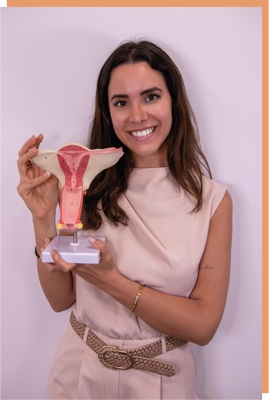

One of the questions I hear most often from women starting their ICI journey is simply: how many times should I try before considering a different approach? It's a deeply personal question, and the answer depends on several factors including your age, overall reproductive health, and the quality of the sperm you're using. What I can tell you is that persistence is part of the process, and understanding realistic timelines will help you stay grounded and hopeful.
When I started my own ICI journey as a single mom by choice, I braced myself for the possibility that it wouldn't work on the first try. And it didn't. Or the second. But by the time I held that positive pregnancy test, I understood that each cycle had taught me something valuable about my body and my timing. Let me share what the research says and what I've learned along the way.
Understanding ICI Success Rates Per Cycle
Intracervical insemination, or ICI, has a per-cycle success rate that varies widely based on age and individual fertility factors. For women under 35 with no known fertility issues, the per-cycle success rate for ICI is approximately 10 to 15 percent when using frozen donor sperm and around 15 to 20 percent with fresh sperm. These numbers might seem low at first glance, but they're actually quite comparable to natural conception rates per cycle.
For comprehensive support, the Impregnator Boost Bundle pairs the extended-contact insemination kit with Her Daily fertility supplements for complete conception support.
It's worth noting that these are per-cycle statistics. The cumulative probability of success increases with each attempt. After six well-timed cycles, a woman under 35 has roughly a 50 to 60 percent cumulative chance of conception. After twelve cycles, that number climbs to around 70 to 80 percent. According to the World Health Organization, infertility is generally defined as the inability to conceive after twelve months of appropriately timed attempts.
For women over 35, the numbers shift. Per-cycle rates drop to around 8 to 12 percent, and the cumulative trajectory is slower. This doesn't mean ICI won't work for you, it simply means you may need to adjust your timeline and expectations accordingly.
Age-Based Recommendations for ICI Attempts
Fertility specialists generally offer different guidance based on age, and these recommendations can help you create a realistic plan. Here's what the evidence suggests:
- Under 30: Try 6 to 12 cycles of ICI before considering escalation to IUI or medicated cycles
- 30 to 34: Try 4 to 6 cycles, then reassess with a fertility specialist
- 35 to 37: Try 3 to 4 cycles, then consider moving to IUI or adding medications
- 38 to 40: Try 2 to 3 cycles before consulting a specialist about next steps
- Over 40: Consider starting with IUI or medicated cycles, or try 1 to 2 ICI cycles while pursuing a specialist consultation
These are general guidelines, not rigid rules. Your individual fertility profile, including hormone levels, ovarian reserve, and any known conditions like endometriosis or PCOS, should inform your specific plan. The National Institutes of Health recommends that women over 35 seek a fertility evaluation if they haven't conceived after six months of trying.
Women looking for an all-in-one daily supplement can explore Her Daily Formula, which provides bioavailable Folate, CoQ10, and Vitamin D specifically formulated for the conception journey.
Maximizing Each Cycle's Potential
Rather than simply increasing the number of attempts, focusing on the quality of each cycle can improve your cumulative chances. There are several evidence-based strategies that can make each ICI attempt more likely to succeed.
Accurate ovulation timing is arguably the single most important factor. Using ovulation predictor kits in combination with basal body temperature tracking and cervical mucus monitoring gives you the most precise picture of your fertile window. Inseminating within 12 to 24 hours of a positive OPK result is ideal.
Some women also benefit from doing two inseminations per cycle, one about 12 hours before expected ovulation and another at the time of ovulation. This double-insemination approach increases the number of viable sperm present during the critical window. If you're using frozen donor sperm, this does mean purchasing two vials per cycle, which affects cost. Our guide on ICI vs. IVI methods can help you decide which technique might work best for your situation.
Tracking and Learning from Each Cycle
Keep detailed records of each attempt. Note the cycle day you inseminated, your OPK results, cervical mucus observations, basal body temperature, and any symptoms you experienced during the two-week wait. Over time, this data helps you identify patterns and refine your timing.
Many women find that their first few cycles serve as valuable learning experiences. You get better at reading OPKs, more comfortable with the insemination process, and more attuned to your body's signals. By cycle three or four, most women report feeling significantly more confident and less anxious about the process.
When to Consider Changing Your Approach
There's no shame in deciding to try a different approach if ICI isn't producing results within a reasonable timeframe. In fact, being willing to adapt is a sign of wisdom and self-advocacy. Here are some signals that it might be time to explore other options:
If you've completed the recommended number of cycles for your age group without success, a fertility evaluation can reveal whether there are underlying factors at play. Conditions like blocked fallopian tubes, reduced ovarian reserve, or subtle hormonal imbalances may not be apparent without testing and can significantly affect ICI success.
Moving from ICI to IUI, or intrauterine insemination, is a common next step. IUI places washed sperm directly into the uterus, bypassing the cervix and shortening the distance sperm need to travel. This can improve success rates, particularly when combined with ovulation-inducing medications. For a deeper understanding of what to expect emotionally during this process, our article on emotional preparation for ICI offers support and perspective.
The CryoBaby Kit is designed for women using frozen donor sperm with ICI, providing the tools and guidance to make each attempt as effective as possible. Having the right equipment can remove one variable from the equation and let you focus on timing and self-care.
The Emotional Side of Multiple Attempts
I want to acknowledge what the statistics don't capture: the emotional weight of trying month after month. Each cycle carries hope, and when it doesn't result in pregnancy, that hope can feel bruised. It's completely normal to feel frustrated, sad, or even angry. These feelings don't mean you're failing. They mean you're human and you care deeply about this dream.
Build a support system around you. Whether it's a trusted friend, a therapist who specializes in fertility, or an online community of women on the same path, having people who understand your experience makes a profound difference. Isolation amplifies the hard parts of this journey, while connection softens them.
Take care of yourself between cycles. Rest, nourish your body, do things that bring you joy, and remind yourself that each cycle is a fresh start. The previous attempts don't define the next one. Your body is doing its best, and with patience, preparation, and the right support, your time will come.



Ready to Start Your Journey?
Take our 30-second quiz to find the insemination kit designed for your specific situation.
Find Your Kit