DHEA for Fertility: What the Science Says

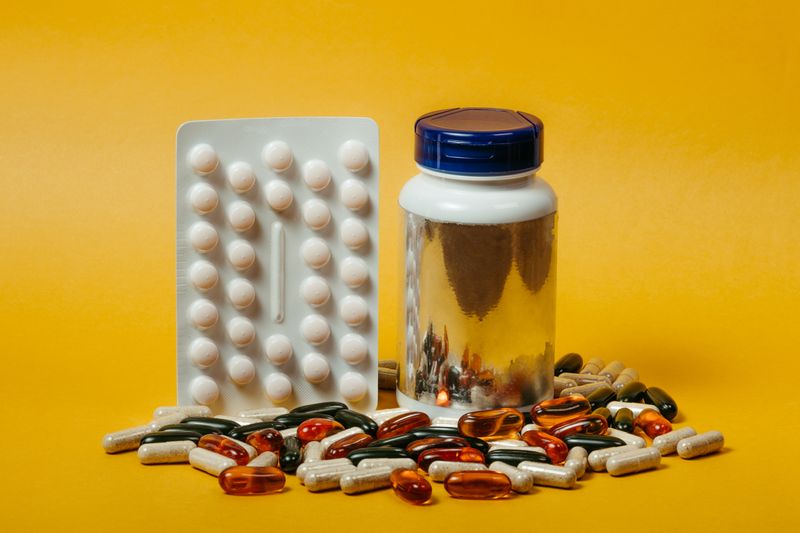
DHEA, or dehydroepiandrosterone, has become one of the most discussed supplements in fertility medicine over the past decade, and for good reason. The research suggesting that DHEA supplementation can improve ovarian response, egg quality, and pregnancy rates in certain populations has generated both enthusiasm and debate in the reproductive medicine community. As someone who evaluates clinical evidence for a living, I want to give you a balanced, thorough look at what the science actually shows, who might benefit, and the important caveats you need to know before adding DHEA to your protocol.
Women looking for an all-in-one daily supplement can explore Her Daily Formula, which provides bioavailable Folate, CoQ10, and Vitamin D specifically formulated for the conception journey.
What DHEA Is and How It Relates to Fertility
DHEA is a naturally occurring steroid hormone produced primarily by the adrenal glands. It serves as a precursor to both testosterone and estrogen, meaning your body converts DHEA into these sex hormones as needed. DHEA levels peak in your mid-twenties and decline steadily thereafter, dropping by approximately 2 to 3 percent per year. By the time you reach your late thirties or forties, your DHEA levels may be significantly lower than they were at their peak.
The fertility connection centers on DHEA's role in follicular development. Testosterone, which DHEA is converted into, appears to play an important role in the early stages of follicle growth within the ovary. Adequate testosterone levels within the ovarian environment may support the recruitment and maturation of follicles, which is why declining DHEA and testosterone levels with age have been hypothesized as a contributing factor to diminished ovarian reserve.
According to the American Society for Reproductive Medicine, DHEA is an area of active research in reproductive endocrinology, with some studies showing promising results while the field awaits larger, definitive clinical trials.
The Evidence: What Studies Show
The initial interest in DHEA for fertility came from observations by clinicians who noticed improved ovarian response in patients with diminished ovarian reserve (DOR) who were supplementing with DHEA. Since those early observations, multiple studies have investigated the relationship between DHEA supplementation and fertility outcomes.
Positive Findings
Several studies and systematic reviews have reported the following benefits of DHEA supplementation in women with DOR:
- Increased number of eggs retrieved during IVF: Some studies found that women supplementing with DHEA for 6 to 16 weeks before an IVF cycle produced more eggs than matched controls
- Improved egg and embryo quality: Higher rates of good-quality embryos have been reported in some DHEA-supplemented cohorts
- Higher clinical pregnancy rates: Several studies reported improved pregnancy rates in DOR patients using DHEA compared to those who did not
- Reduced miscarriage rates: Some data suggests that DHEA supplementation may lower aneuploidy rates in eggs, potentially reducing miscarriage risk
- Improved AMH levels: Some patients showed modest increases in AMH after DHEA supplementation, suggesting possible improvement in ovarian function
Study Limitations and Cautions
It is important to note that the quality of evidence, while encouraging, has significant limitations. Many of the studies were small, retrospective, or lacked proper randomization and blinding. The largest randomized controlled trials have produced mixed results, with some showing benefits and others showing no significant difference. The reproductive medicine community has not yet reached consensus on whether DHEA should be a standard recommendation, though many fertility clinics now include it in their DOR protocols based on the available evidence and low risk profile.
Who Should Consider DHEA
DHEA is not a supplement for everyone trying to conceive. The evidence most strongly supports its use in specific populations, and it may be unnecessary or even counterproductive for others.
DHEA supplementation is most commonly recommended for women with documented diminished ovarian reserve based on AMH, FSH, and antral follicle count testing, women over 38 who are planning IVF and want to optimize their ovarian response, and women who have had poor response to stimulation medications in previous IVF cycles. Our article on melatonin and egg quality explores another supplement that may complement DHEA for women focused on egg quality improvement.
DHEA is generally not recommended for women with PCOS, as they typically already have elevated androgen levels. Adding DHEA could worsen PCOS symptoms. Women with normal ovarian reserve and no history of poor response also do not have a clear indication for DHEA supplementation. For information on other important fertility nutrients, see our guides on iron and fertility and vitamin E for fertility.
Dosing, Timing, and Practical Considerations
The most commonly studied dose is 75 mg per day, typically divided into three 25 mg doses taken with meals. This dosing protocol is based on the regimen used in the majority of published fertility studies. Some clinics use lower doses of 50 mg daily, and your provider may adjust based on your testosterone levels and response.
DHEA takes time to exert its effects on follicular development. Because the follicular growth cycle spans approximately 90 days, most protocols recommend beginning DHEA supplementation at least 6 to 12 weeks before your planned treatment cycle. Starting earlier, ideally three to four months before, may provide greater benefit, though this adds to the overall cost and timeline.
Monitoring is important when taking DHEA. Your provider should check your testosterone and DHEA-S levels before starting supplementation and periodically during treatment to ensure levels remain in the therapeutic range. Excessive testosterone can cause side effects including acne, oily skin, hair growth, and mood changes. Products like Her Fertility Boost and His Fertility Boost complement DHEA with additional evidence-based nutrients for overall reproductive support.
Important Safety Considerations
DHEA is available over the counter in the United States as a dietary supplement, but this does not mean it should be taken casually. It is a hormone precursor with real physiological effects.
- Always consult your healthcare provider before starting DHEA, particularly if you have PCOS, hormone-sensitive conditions, or are taking medications that affect hormone levels
- Purchase pharmaceutical-grade DHEA from reputable manufacturers. Supplement quality varies, and you want consistent dosing
- Monitor for side effects including acne, oily skin, hair changes, mood shifts, and changes in menstrual cycle. Report any concerns to your provider
- Do not exceed recommended doses without medical guidance. More is not better when it comes to hormone supplementation
- Discontinue use once you achieve pregnancy unless specifically instructed otherwise by your provider
The Centers for Disease Control and Prevention tracks outcomes of assisted reproductive technology and notes that treatment protocols, including supplement use, should be individualized based on patient-specific factors.
DHEA represents a genuinely interesting area of fertility science with the potential to help a specific subset of women improve their reproductive outcomes. If you have diminished ovarian reserve and are preparing for fertility treatment, it is worth discussing with your reproductive endocrinologist. Just approach it as you would any medical intervention: with evidence, with medical guidance, and with realistic expectations. The research is encouraging, the risks are manageable when monitored, and the potential benefits for the right candidate are real. That is a combination worth considering carefully.



Ready to Start Your Journey?
Take our 30-second quiz to find the insemination kit designed for your specific situation.
Find Your Kit