Vitamin E and Reproductive Health

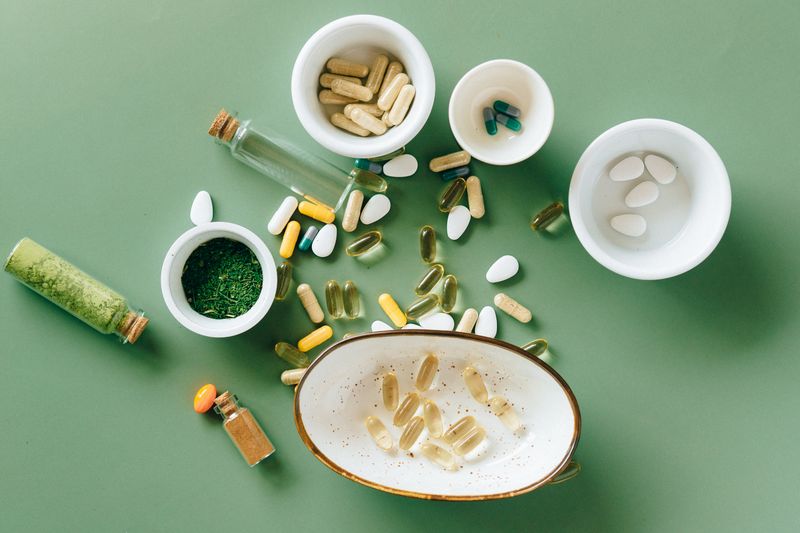
Vitamin E has been called the "fertility vitamin" since its discovery in the 1920s — in fact, its chemical name, tocopherol, comes from the Greek words for "birth" and "to bear." While that historical nickname has led to some exaggerated claims over the decades, modern research has substantiated several meaningful ways that vitamin E supports reproductive health in both women and men. As a reproductive health researcher, I want to separate the evidence from the hype and give you actionable guidance on how vitamin E fits into your fertility plan.
How Vitamin E Supports Female Fertility
Vitamin E is a fat-soluble antioxidant that protects cell membranes from oxidative damage. In the context of female reproduction, this protection extends to several critical areas.
Endometrial Health and Thickness
One of the most clinically relevant findings about vitamin E and female fertility relates to endometrial thickness. A thin endometrial lining — generally less than seven millimeters — is associated with lower implantation rates and reduced pregnancy success. Several studies have shown that vitamin E supplementation can improve endometrial thickness in women with thin linings, potentially improving the chances of successful implantation.
For men looking to optimize their contribution, His Daily Formula provides Zinc, L-Carnitine, and CoQ10 in clinically studied doses to support sperm health.
The mechanism appears to involve vitamin E's ability to improve blood flow to the uterus and reduce inflammation in the endometrial tissue. By enhancing the vascular health of the uterine lining, vitamin E helps create a more receptive environment for an implanting embryo. For women who have been told they have a thin lining, vitamin E supplementation may be a worthwhile addition to their protocol — always in consultation with their provider.
Egg Quality and Antioxidant Protection
Eggs are particularly vulnerable to oxidative damage because of their long maturation period and high metabolic activity. Vitamin E's role as an antioxidant helps protect developing eggs from free radical damage, potentially preserving DNA integrity and cellular function. This is especially relevant for women over 35, when natural antioxidant defenses begin to decline and oxidative stress on eggs increases.
The Centers for Disease Control and Prevention recognizes the importance of overall health optimization for fertility, and antioxidant nutrition is a core component of that optimization. Our detailed PCOS supplement guide discusses how vitamin E fits into a comprehensive supplementation strategy for women with hormonal conditions.
How Vitamin E Supports Male Fertility
The evidence for vitamin E's benefits on male fertility is even more robust than for female fertility. Sperm cells are uniquely vulnerable to oxidative damage for two reasons: their membranes are rich in polyunsaturated fatty acids (which are highly susceptible to oxidation), and they lack the cellular repair mechanisms that other cells use to fix oxidative damage.
- Sperm motility: Multiple studies have shown that vitamin E supplementation improves progressive sperm motility — the ability of sperm to swim forward effectively. This is one of the most critical parameters for natural conception and ICI success.
- Sperm membrane integrity: By protecting the lipid-rich sperm membrane, vitamin E helps maintain sperm structural integrity, which is essential for the sperm's ability to penetrate and fertilize the egg.
- DNA protection: Vitamin E has been shown to reduce sperm DNA fragmentation — damage to the genetic material that can lead to fertilization failure, poor embryo development, or early pregnancy loss.
- Synergy with selenium: Vitamin E works particularly well in combination with selenium. Several studies have shown that the combination produces greater improvements in semen parameters than either nutrient alone.
A well-formulated women's fertility supplement typically includes vitamin E alongside other synergistic nutrients. For male partners, our guide on fertility herbs discusses additional natural compounds that complement vitamin E's effects.
Recommended Dosing and Forms
Not all vitamin E supplements are created equal, and choosing the right form and dose matters for effectiveness.
Natural versus synthetic: Vitamin E comes in two forms — natural (d-alpha-tocopherol) and synthetic (dl-alpha-tocopherol). The natural form is approximately twice as bioavailable as the synthetic form, meaning your body absorbs and utilizes it much more effectively. Always choose supplements that specify "d-alpha-tocopherol" on the label rather than "dl-alpha-tocopherol."
Dosing for fertility: Most fertility studies use doses between 200 and 800 IU of natural vitamin E daily. The recommended starting dose for fertility support is typically 400 IU daily. Higher doses should only be used under medical supervision, as vitamin E is fat-soluble and can accumulate in the body.
The American College of Obstetricians and Gynecologists recommends that all supplement use during the preconception period be discussed with a healthcare provider to ensure safety and appropriate dosing.
Vitamin E in Food Sources
You can also boost your vitamin E intake through diet. The richest food sources include:
- Sunflower seeds and sunflower seed butter
- Almonds and almond butter
- Hazelnuts
- Wheat germ and wheat germ oil
- Spinach, Swiss chard, and other dark leafy greens
- Avocado
- Olive oil and other high-quality plant oils
- Mango and kiwi
A diet rich in these foods provides not just vitamin E but the full spectrum of tocopherols and tocotrienols (different forms of the vitamin E family), along with complementary nutrients that enhance absorption and effectiveness.
Safety Considerations and Interactions
Vitamin E is generally safe at recommended fertility doses, but there are important considerations to keep in mind:
Blood thinning effects: At higher doses, vitamin E can inhibit platelet aggregation, essentially acting as a mild blood thinner. If you are taking anticoagulant medications (warfarin, heparin), aspirin, or other blood-thinning supplements (fish oil at high doses, vitamin K), discuss vitamin E supplementation with your doctor to avoid excessive blood-thinning effects.
Surgical considerations: Because of its blood-thinning properties, most healthcare providers recommend discontinuing high-dose vitamin E supplementation two weeks before any surgical procedure, including egg retrieval or other fertility-related surgeries.
Upper intake level: The established upper intake level for vitamin E is 1,500 IU of natural vitamin E per day. Staying within this limit is important, as very high doses have been associated with increased bleeding risk and potentially other adverse effects.
Vitamin E occupies a well-supported position in the fertility supplement landscape. It is not a standalone solution, but as part of a comprehensive approach that includes proper nutrition, timing optimization, and appropriate medical care, it provides meaningful antioxidant protection for the reproductive cells at the heart of your conception journey. Combined with other evidence-based supplements like targeted male fertility nutrients and CoQ10, vitamin E contributes to a well-rounded fertility support strategy.
A targeted daily supplement like Her Daily Formula can help ensure consistent intake of the most critical fertility nutrients including Folate, CoQ10, and Vitamin D.

Ready to Start Your Journey?
Take our 30-second quiz to find the insemination kit designed for your specific situation.
Find Your Kit