Iron and Fertility: Why Levels Matter

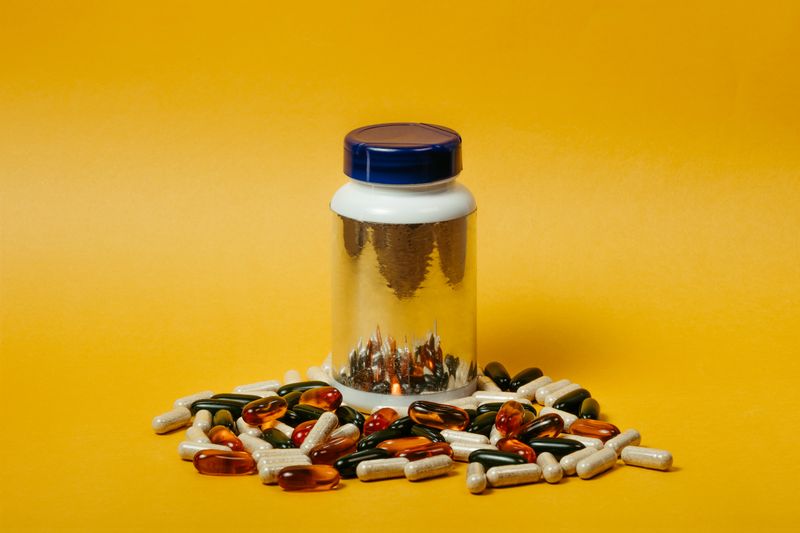
Iron is a mineral that most women know is important during pregnancy, but its role in fertility, in the months and years before conception, is equally significant and far less discussed. Research has revealed a compelling connection between iron status and ovulatory function, suggesting that addressing iron deficiency may be one of the most straightforward steps you can take to support your fertility.
As a reproductive endocrinologist, I routinely test iron levels as part of my patients' fertility workups, and I'm consistently surprised by how many women of childbearing age are iron-deficient without realizing it. Let me explain why iron matters for conception and how to optimize your levels.
The Connection Between Iron and Ovulation
The Nurses' Health Study, one of the largest and longest-running studies of women's health, found a striking relationship between iron supplementation and ovulatory fertility. Women who supplemented with iron had approximately 40 percent lower risk of ovulatory infertility compared to women who didn't supplement. This protective effect was dose-dependent, meaning higher intakes were associated with greater protection.
The mechanism appears to involve iron's role in the oxygen-carrying capacity of red blood cells. Developing follicles require adequate oxygen delivery to mature properly, and iron-deficient blood carries less oxygen to the ovaries. Iron is also a critical component of several enzymes involved in steroid hormone synthesis, including the production of estrogen and progesterone that drive the menstrual cycle.
According to the World Health Organization, iron deficiency is the most common nutritional deficiency worldwide, affecting an estimated 30 percent of women of reproductive age. The National Institutes of Health recognizes that micronutrient deficiencies including iron can contribute to subfertility.
Testing Your Iron Levels
A basic hemoglobin or hematocrit test, which is part of a standard complete blood count, can identify outright anemia but may miss iron depletion in its earlier stages. For a complete picture of your iron status, request a ferritin test in addition to a CBC. Ferritin measures your body's stored iron and can reveal deficiency long before anemia develops.
While laboratory reference ranges for ferritin typically consider anything above 12 ng/mL as normal, many fertility specialists recommend maintaining ferritin levels above 40 to 50 ng/mL for optimal reproductive function. If your ferritin is between 12 and 40, you may benefit from supplementation even though you technically fall within the normal range.
Other useful iron markers include serum iron, total iron-binding capacity (TIBC), and transferrin saturation. Together, these tests paint a comprehensive picture of how much iron your body has, how efficiently it's being used, and whether supplementation is warranted.
Who Is Most at Risk for Iron Deficiency
Certain groups of women are at higher risk for iron deficiency and should be especially attentive to testing and supplementation:
- Women with heavy menstrual periods: Blood loss during menstruation is the primary cause of iron deficiency in premenopausal women
- Vegetarians and vegans: Plant-based iron (non-heme) is less readily absorbed than animal-based iron (heme)
- Women with digestive conditions: Celiac disease, inflammatory bowel disease, and other GI conditions can impair iron absorption
- Frequent blood donors: Regular donation can deplete iron stores faster than diet alone can replenish them
- Athletes: Intense exercise increases iron requirements and losses through sweat and foot-strike hemolysis
- Women with a recent pregnancy: Pregnancy significantly depletes iron stores, and full recovery can take months
Choosing the Right Iron Supplement
If you need to supplement, the form of iron you choose affects both its effectiveness and your tolerance of it. Traditional ferrous sulfate supplements are inexpensive and widely available but notorious for causing constipation, nausea, and stomach upset. Many women discontinue iron supplements because of these side effects.
More gentle, better-absorbed forms of iron include ferrous bisglycinate (iron glycinate), iron polysaccharide complex, and ferrous fumarate. Of these, iron bisglycinate has the best evidence for both absorption and tolerability. It causes significantly less gastrointestinal distress than ferrous sulfate and is well-absorbed even on an empty stomach.
When taking iron supplements, vitamin C dramatically enhances absorption. Take your iron with a glass of orange juice or a vitamin C supplement. Conversely, calcium, coffee, tea, and dairy products all inhibit iron absorption and should be consumed at least two hours apart from your iron supplement. For more on nutrient interactions and how to build a complete fertility supplement protocol, our article on B vitamins and conception covers another essential nutrient family, while our guide on vitamin E for fertility discusses antioxidant synergy.
Women looking for an all-in-one daily supplement can explore Her Daily Formula, which provides bioavailable Folate, CoQ10, and Vitamin D specifically formulated for the conception journey.
Getting Iron from Food
While supplementation is important for women who are deficient, building iron-rich foods into your diet supports overall iron status and provides other nutrients that support fertility.
Heme iron from animal sources is the most efficiently absorbed form, found in red meat, organ meats, dark poultry meat, and shellfish. Non-heme iron from plant sources is less bioavailable but still valuable, found in spinach, lentils, fortified cereals, tofu, and pumpkin seeds. Cooking in cast iron pans can also increase the iron content of your food, especially when preparing acidic dishes like tomato sauce.
The Her Fertility Boost supplement includes iron in a gentle, well-absorbed form as part of its comprehensive fertility support formula, removing the guesswork of choosing a standalone iron supplement.
Monitoring and Adjusting
If you begin iron supplementation, have your levels rechecked after three months. Most women see meaningful improvement in ferritin levels within this timeframe if their dose and absorption are adequate. If your levels haven't improved, discuss with your provider whether a higher dose, a different form, or further evaluation for absorption issues is warranted.
Be aware that it's possible to take too much iron. Iron overload, while less common than deficiency, can cause its own health problems including oxidative stress that could paradoxically harm fertility. Always supplement based on tested levels rather than arbitrarily, and work with your healthcare provider to find the right dose for your body.
Addressing iron deficiency is one of the most accessible and evidence-based interventions available for supporting your fertility. A simple blood test and a well-chosen supplement can make a measurable difference in your reproductive health, and that's a win worth celebrating.


Ready to Start Your Journey?
Take our 30-second quiz to find the insemination kit designed for your specific situation.
Find Your Kit