Zinc for Both Male and Female Fertility

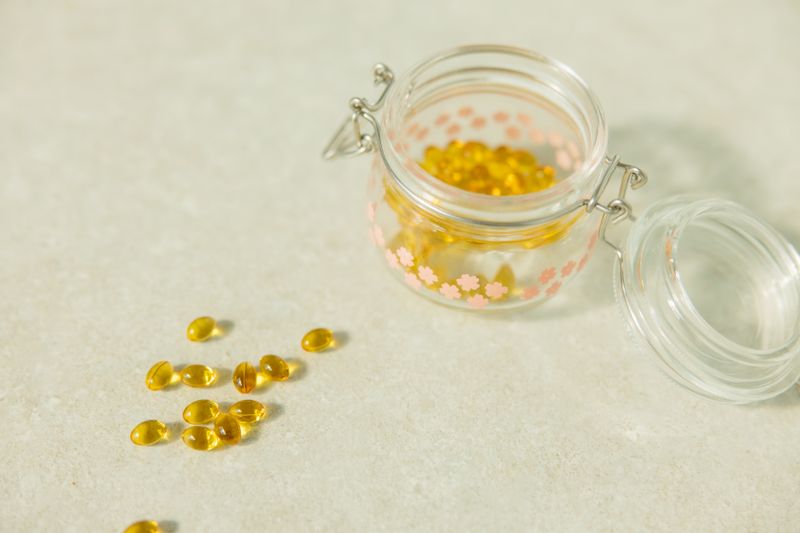
When we talk about fertility supplements, zinc rarely gets the spotlight it deserves. Yet this essential trace mineral plays critical roles in reproductive health for both men and women, from supporting egg quality and hormonal balance to improving sperm count and motility. If you're trying to conceive, understanding zinc's role could be one of the simplest and most impactful steps you take.
For daily nutritional support, Her Daily Formula provides bioavailable Folate, CoQ10, and Vitamin D specifically formulated for women on a conception journey.
As a physician specializing in reproductive endocrinology, I've reviewed the research extensively and consistently find that zinc status is an overlooked piece of the fertility puzzle. Let me share what the science tells us and how you can ensure you're getting enough of this vital nutrient.
Why Zinc Matters for Female Fertility
Zinc is involved in more than 300 enzymatic reactions in the body, and many of these directly impact reproductive function. For women, zinc plays a central role in egg development, hormonal regulation, and implantation.
Research has shown that zinc is essential for proper follicle development and oocyte maturation. During the final stages of egg development, zinc levels within the oocyte increase dramatically. Studies have demonstrated that zinc-deficient eggs are more likely to have chromosomal abnormalities and are less likely to be successfully fertilized. The American College of Obstetricians and Gynecologists recognizes the importance of adequate micronutrient status for reproductive health.
Zinc also supports the production and regulation of key reproductive hormones including follicle-stimulating hormone (FSH), luteinizing hormone (LH), estrogen, and progesterone. When zinc levels are low, hormonal imbalances can disrupt ovulation and shorten the luteal phase, both of which make conception more difficult. For women with PCOS, zinc supplementation has shown particular promise in improving insulin sensitivity and reducing androgen levels.
Zinc and Implantation
Beyond egg quality, zinc contributes to successful implantation by supporting the health of the uterine lining. Adequate zinc levels are associated with proper endometrial development, which is essential for an embryo to implant and thrive. Some research has also linked zinc to reduced inflammation in the reproductive tract, creating a more hospitable environment for early pregnancy.
Zinc's Role in Male Fertility
For male partners or sperm donors, zinc is arguably even more critical. The prostate gland contains one of the highest concentrations of zinc in the body, and seminal fluid is rich in this mineral. Zinc is directly involved in sperm production, testosterone metabolism, and protecting sperm DNA from oxidative damage.
Studies have consistently shown that men with low zinc levels have reduced sperm counts, poor motility, and higher rates of abnormal sperm morphology. A landmark study published in the journal Fertility and Sterility found that zinc supplementation in men with marginal zinc deficiency significantly improved both sperm count and testosterone levels.
Men can support their fertility with His Daily Formula, which includes Zinc, L-Carnitine, and CoQ10 to support sperm quality and motility.
According to the Mayo Clinic, male factor issues contribute to approximately 30 to 40 percent of infertility cases, making male reproductive health an important piece of the conception equation. Ensuring adequate zinc intake is one of the most accessible interventions for supporting sperm quality.
How Much Zinc Do You Need
The recommended daily allowance for zinc varies by sex and life stage. For women trying to conceive, the RDA is approximately 8 milligrams per day, though many functional medicine practitioners recommend 15 to 25 milligrams for those actively trying to conceive. For men, the RDA is 11 milligrams, with fertility-focused recommendations ranging from 25 to 45 milligrams daily.
Here are excellent dietary sources of zinc:
- Oysters: The richest food source, with six medium oysters providing over 30 mg of zinc
- Red meat and poultry: A 3-ounce serving of beef provides about 7 mg
- Pumpkin seeds: One ounce provides about 2.2 mg, making them an excellent plant-based option
- Lentils and chickpeas: One cup of cooked lentils provides about 2.5 mg
- Cashews and almonds: One ounce of cashews provides about 1.6 mg
- Yogurt and cheese: One cup of yogurt provides about 1.7 mg
- Dark chocolate: One ounce of 70% dark chocolate provides about 0.9 mg
Plant-based eaters should be aware that phytates in grains and legumes can reduce zinc absorption by up to 50 percent. Soaking, sprouting, or fermenting these foods can help reduce phytate content and improve zinc bioavailability. If you follow a vegetarian or vegan diet, supplementation may be particularly beneficial.
Choosing the Right Zinc Supplement
If dietary intake alone isn't sufficient, supplementation can help bridge the gap. However, not all zinc supplements are equally well absorbed. The most bioavailable forms include zinc picolinate, zinc citrate, and zinc glycinate. Zinc oxide, which is commonly found in cheaper supplements, has significantly lower absorption rates.
When choosing a supplement, look for one that also includes a small amount of copper, typically 1 to 2 milligrams. Long-term zinc supplementation without copper can lead to copper depletion, as these two minerals compete for absorption. Many fertility-specific supplements, including the Her Fertility Boost, are formulated with this balance in mind.
Timing matters too. Take zinc supplements with food to reduce the chance of nausea, which is a common side effect of zinc on an empty stomach. If you're taking iron supplements as well, separate them by at least two hours, as zinc and iron also compete for absorption. For more on how different supplements work together, our article on NAC fertility benefits explores another powerful fertility supplement, while our antioxidants and fertility guide covers the broader antioxidant picture.
Signs of Zinc Deficiency
Zinc deficiency is more common than many people realize, particularly in women who restrict certain food groups, exercise heavily, or have digestive conditions that impair absorption. Some signs that your zinc levels may be low include:
Frequent colds or infections, slow wound healing, hair loss or thinning, white spots on fingernails, reduced sense of taste or smell, and skin issues like acne or eczema. If you notice several of these symptoms alongside difficulty conceiving, it's worth asking your healthcare provider to check your serum zinc levels.
A simple blood test can assess your zinc status, though serum levels don't always reflect intracellular zinc stores accurately. Some practitioners also use functional markers like alkaline phosphatase levels or taste tests to get a more complete picture. If you're working with a fertility specialist, mention zinc testing as part of your comprehensive evaluation.
Optimizing your zinc intake is a small change that can have a meaningful impact on your fertility journey. Combined with other evidence-based strategies like stress management, balanced nutrition, and proper supplementation, it's one more way to give yourself the best possible chance. Your body needs the right building blocks, and zinc is certainly one of them.



Ready to Start Your Journey?
Take our 30-second quiz to find the insemination kit designed for your specific situation.
Find Your Kit