Becoming a Single Mom by Choice After 35
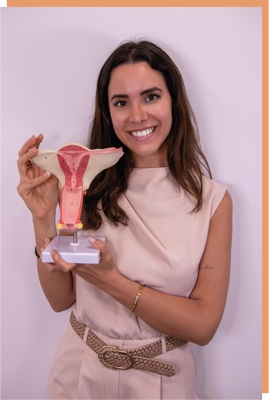

Making the decision to become a single mom by choice after 35 is one of the bravest and most intentional choices a woman can make. I know because I made it myself. After years of waiting for the right relationship, I realized that my desire for motherhood was separate from my desire for partnership, and that waiting for one should not mean sacrificing the other. If you are in your mid to late thirties, feeling the tug between hope for a partner and the reality of your biological clock, this article is for you. Not to pressure you, but to arm you with the information and perspective you need to make the decision that is right for your life.
The Biological Reality: What 35 Actually Means
The age of 35 has been treated as a fertility cliff in popular culture, but that is not what the science actually shows. Fertility does decline with age, but it is a gradual slope, not a sudden drop-off. At 35, your monthly chance of natural conception is approximately 15 to 20 percent, compared to roughly 25 percent at 30. By 38 to 39, it drops to approximately 10 to 15 percent. These are real changes, but they are not the catastrophic numbers that anxiety-driven headlines would have you believe.
What does change more noticeably after 35 is the rate of chromosomal abnormalities in eggs, which affects both conception rates and miscarriage risk. This is why many fertility specialists recommend being more proactive and time-conscious in your approach after 35 rather than taking a wait-and-see approach. The data supports moving forward with intention, not with panic.
According to the American College of Obstetricians and Gynecologists, women over 35 should seek fertility evaluation after six months of trying rather than the standard twelve months recommended for younger women. For single women by choice, getting a baseline fertility evaluation before you begin is simply smart planning.
Getting Started: Your First Steps
Once you have made the emotional decision, the practical steps follow a logical sequence. Having a clear roadmap can help the process feel less overwhelming and more manageable.
Step 1: Comprehensive Fertility Evaluation
Before choosing a conception method, get a complete picture of your reproductive health. This means blood tests for AMH (anti-Mullerian hormone), FSH, estradiol, and thyroid function, along with an antral follicle count via ultrasound. These tests tell you where your ovarian reserve stands relative to your age, which directly informs which conception method gives you the best chances.
To simplify your daily supplement routine, Her Daily Formula delivers key fertility nutrients including Folate, CoQ10, and Vitamin D in bioavailable forms.
Step 2: Choose Your Conception Path
Based on your evaluation results, your options typically include at-home insemination with donor sperm (ICI), clinic-based IUI with monitoring, IVF if your reserves suggest time is limited, or a combination approach that starts with less invasive methods and escalates if needed. Most fertility specialists recommend starting with ICI or IUI for three to four cycles before considering IVF, unless your test results suggest that more aggressive treatment is warranted from the start.
The BabyMaker Kit is designed for women beginning with at-home insemination, providing everything you need to get started with confidence and privacy.
Step 3: Select Your Sperm Donor
Choosing a donor is deeply personal and deserves its own careful consideration. Many single moms by choice recommend choosing an open-identity donor so that your child has the option of learning about their biological origins when they reach adulthood. Consider physical traits, medical history, personality characteristics, and the level of information you want available for your child.
Financial Planning as a Single Mom by Choice
One of the most common concerns for women considering single motherhood is whether they can afford it on one income. The honest answer is that it requires planning, but thousands of women do it successfully across a wide range of income levels.
Key financial considerations include:
- Conception costs: Budget for multiple cycles of insemination, including sperm vials, shipping, and any monitoring
- Pregnancy and delivery: Review your health insurance coverage for prenatal care, hospital birth, and any potential complications
- Childcare: Research costs in your area and explore options including family support, in-home care, and daycare centers
- Lost income: Plan for maternity leave, whether paid by your employer or self-funded
- Emergency fund: Aim for three to six months of expenses saved before beginning your fertility journey
- Long-term planning: Consider life insurance, disability insurance, and estate planning, including naming a guardian
For more about balancing career and single motherhood, our guide on career planning as a single mom by choice offers practical strategies for managing work while building your family.
Building Your Support System
Single motherhood by choice does not mean doing everything alone. In fact, the most successful single moms by choice I know are the ones who actively build robust support networks before their baby arrives. Your village does not have to look traditional to be effective.
Consider cultivating relationships with family members who are supportive of your decision, friends who can provide practical help and emotional support, other single moms by choice through online communities and local groups, a therapist or counselor experienced with solo parenting and fertility journeys, and professional support including postpartum doulas and night nurses for the early weeks.
The Single Mothers by Choice organization (SMC) has chapters in many cities and a vibrant online community where women at every stage of the journey connect, share wisdom, and support each other. Having even one person who truly understands what you are going through can make an enormous difference.
Addressing the Emotional Journey
Becoming a single mom by choice after 35 involves a complex emotional landscape. You may grieve the traditional family structure you imagined for yourself while simultaneously feeling empowered and excited about the path you are choosing. Both feelings can coexist, and they are both valid.
Common emotional experiences include initial euphoria after making the decision, followed by waves of doubt and second-guessing, anxiety about fertility timelines and whether you waited too long, grief about the relationship that did not materialize on your timeline, and fierce determination and pride in your autonomy and courage.
The Mayo Clinic emphasizes that emotional well-being is an important component of fertility and pregnancy health. Investing in your emotional health through therapy, community, and self-care is not a luxury. It is a legitimate part of your preparation for motherhood.
For women navigating this decision a few years later, our article on single motherhood by choice after 40 extends this conversation with additional considerations for the over-40 journey.
You are not running out of time. You are choosing to use the time you have wisely and intentionally. That is not desperation. That is strength. The decision to become a single mom by choice after 35 is a declaration that you refuse to let the absence of one dream prevent you from pursuing another. Your future child will one day understand just how wanted they were, and the thoughtfulness you brought to this journey will be part of their story from the very beginning.



Ready to Start Your Journey?
Take our 30-second quiz to find the insemination kit designed for your specific situation.
Find Your Kit