How Donor Sperm Shipping Works

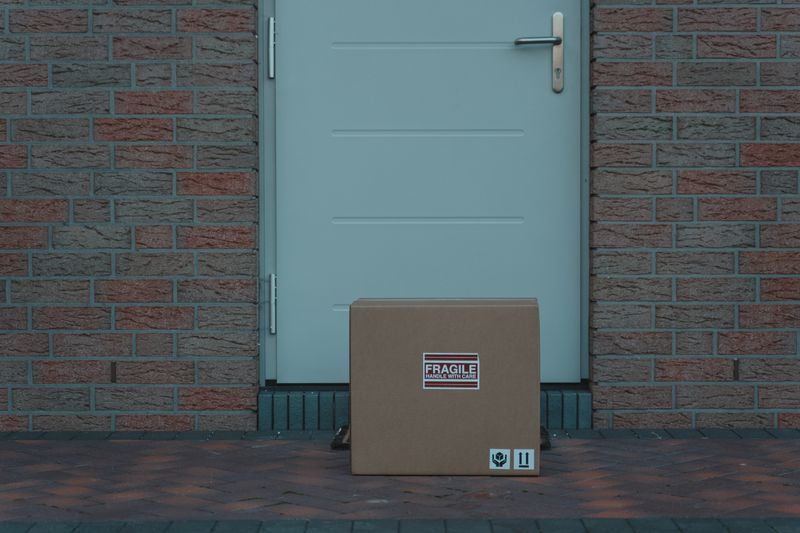
The first time a liquid nitrogen tank showed up at my doorstep via FedEx, I stood in my entryway staring at this insulated metal container thinking: this is it. Inside this tank, frozen at negative 196 degrees Celsius, were the cells that might someday become my child. The logistics of donor sperm shipping can feel surreal, but once you understand the process, it becomes a manageable — even routine — part of your at-home insemination journey. Here is everything you need to know about receiving donor sperm at home, from placing your order to storing your sample safely.
How Sperm Shipping Works: The Basics
Donor sperm is stored in liquid nitrogen at cryogenic temperatures. When you order from a sperm bank, they prepare your selected donor's vials and ship them in a specialized container called a dry shipper — a dewar flask designed to maintain cryogenic temperatures for a specific number of days without liquid nitrogen refills. The World Health Organization has established standards for sperm cryopreservation that reputable banks follow to ensure sample viability during transit.
Most banks ship via overnight courier services like FedEx or UPS. The tank arrives at your door just like any other package, though it is heavier than you might expect — typically fifteen to twenty-five pounds. The exterior of the tank will feel cold but is safe to handle. Inside, your vials are suspended in a specialized holder, surrounded by the extreme cold that keeps them viable.
The shipping tank is designed to maintain temperature for a specific number of days — usually seven to ten. This means you have a window of time during which the sperm remains frozen and viable. Your bank will tell you exactly how long your specific tank can maintain temperature, and you should plan your insemination within this window.
Timing Your Shipment with Ovulation
This is where the logistics get personal. You need to coordinate your sperm delivery with your ovulation cycle, which requires advance planning and a tolerance for uncertainty. Here is the approach that works best for most women:
- Begin tracking your ovulation at the start of your cycle using OPKs and, ideally, basal body temperature monitoring
- Most banks require two to five business days notice for shipping, so place your order early enough that the tank arrives before your expected ovulation date
- Aim to have the tank arrive two to three days before your expected ovulation — this gives you a buffer in case your cycle is slightly longer than predicted
- Once the tank arrives, begin testing with OPKs at least twice daily as you approach ovulation
- When you get your positive OPK, you know it is time to thaw and inseminate
If your cycles are irregular, timing shipments can be trickier. Some women in this situation order their sperm to arrive earlier in their cycle and accept that they may need to adjust. Others work with their provider to use ovulation-triggering medications that make the timing more predictable. Understanding your cycle patterns through connection with other donor-sperm families can provide practical insights from women who have navigated the same logistics.
What If Ovulation Does Not Happen When Expected?
This is a real concern, and it happens. Your body does not always follow the script. If ovulation is delayed and your tank's holding time is running out, you have a few options. Some women have a local fertility clinic or cryostorage facility where they can transfer the vials for longer-term storage. Others simply accept that the cycle may not work out and plan to reorder for the next month. This is disappointing but not uncommon, and planning for this possibility emotionally and financially helps reduce the stress when it happens.
Receiving and Storing Your Shipment
When the tank arrives, inspect it immediately. Check for any damage to the exterior, and verify that the shipping paperwork matches your order — correct donor ID, number of vials, and vial type (ICI-ready versus IUI-ready). A reliable sperm storage and preparation system can complement the bank's shipping tank and help you manage your vials with confidence.
The tank should be stored in a stable environment at room temperature. Do not put it in the refrigerator, freezer, garage, or direct sunlight. A closet or a corner of a temperature-controlled room is ideal. Do not open the tank until you are ready to remove a vial for insemination. Every time you open the tank, you let in warm air that shortens the remaining holding time.
When it is time to thaw a vial, follow the bank's specific instructions carefully. Most banks recommend thawing at room temperature for fifteen to thirty minutes or under warm (not hot) running water. Never microwave a sperm vial or use boiling water. The thawing process is straightforward but must be done correctly to preserve sperm viability.
Costs and Logistics of Sperm Shipping
Shipping costs add up and should be factored into your overall budget. Here is what to expect:
- Shipping fee per tank: $200 to $400 for domestic overnight shipping, depending on the bank and your location
- Tank deposit: Many banks require a $100 to $200 deposit for the shipping tank, refunded when you return it
- Return shipping: You are usually responsible for returning the empty tank within a specified number of days (typically seven to fourteen). Most banks provide a prepaid return shipping label.
- Per-vial cost: $500 to $1,200 per vial depending on the donor, bank, and whether the vial is ICI-ready or IUI-washed
- Storage fees: If you purchase vials in advance for future cycles, annual storage fees range from $200 to $600
One cost-saving strategy is to order multiple vials at once — enough for two or three cycles — so you only pay shipping once. The trade-off is the upfront cost of purchasing additional vials. If you are budgeting carefully, our article on choosing a donor includes tips on navigating bank pricing structures. The National Institutes of Health provides additional resources on the financial aspects of assisted reproduction.
Troubleshooting Common Shipping Issues
Despite careful planning, shipping complications can arise. Being prepared for them reduces panic and helps you respond effectively.
Delayed Delivery
Weather, carrier issues, or logistical errors can delay your shipment. If tracking shows a delay, contact both the carrier and the sperm bank immediately. Most banks have protocols for shipping emergencies and may be able to intervene with the carrier or arrange a replacement shipment. Build an extra day of buffer into your delivery timeline to account for this possibility.
Damaged or Compromised Tank
If the tank arrives with visible damage or if the internal temperature indicator suggests the cold chain was compromised, do not use the vials. Contact the bank immediately — reputable banks will replace compromised shipments at no additional cost. Document the damage with photographs before contacting them.
Wrong Order or Missing Vials
Verify your order upon receipt. If the donor ID does not match, the wrong number of vials was shipped, or the vial type is incorrect, do not use the vials. Contact the bank for resolution. Mistakes are rare with established banks but not impossible, and catching errors before insemination is essential.
Once you have been through the process once or twice, shipping donor sperm home becomes a routine part of your cycle preparation — order, receive, store, thaw, inseminate. The mechanics are straightforward. What makes it feel extraordinary is the hope contained in that insulated tank: the possibility of new life, arriving at your doorstep, waiting for the right moment to begin.



Ready to Start Your Journey?
Take our 30-second quiz to find the insemination kit designed for your specific situation.
Find Your Kit