Endometriosis and Fertility: What You Need to Know
An endometriosis diagnosis can feel like a wall between you and motherhood, but I want to be direct with you: it is not a dead end. Endometriosis affects an estimated one in ten women of reproductive age, and while it is a leading cause of infertility, the majority of women with endometriosis can and do conceive — many naturally, others with medical assistance. Understanding how endometriosis affects your fertility, what treatment options are available, and how to advocate for yourself in a medical system that historically underdiagnoses this condition is the foundation for moving forward with confidence.
How Endometriosis Affects Fertility
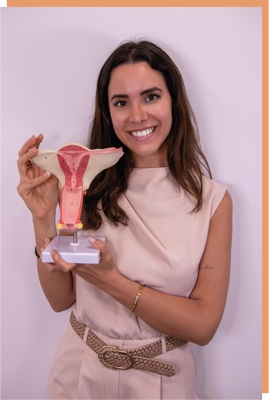
Endometriosis occurs when tissue similar to the uterine lining grows outside the uterus, most commonly on the ovaries, fallopian tubes, and pelvic peritoneum. This tissue responds to hormonal cycles just like the uterine lining, growing and shedding each month, but because it has no way to exit the body, it causes inflammation, adhesions, and scarring that can affect fertility through multiple mechanisms.
Anatomical distortion is one of the most direct ways endometriosis impairs fertility. Endometrial implants and the scarring they cause can change the position of the ovaries and fallopian tubes, making it physically difficult for an egg to travel from the ovary into the tube. In severe cases, adhesions can completely block the fallopian tubes.
Inflammatory environment created by endometriosis affects egg quality, sperm function, and embryo implantation. The inflammatory molecules released by endometrial implants can damage eggs, impair sperm motility, and create a hostile environment in the uterus that reduces the chance of a fertilized embryo successfully implanting.
Ovarian endometriomas — cysts that form when endometriosis affects the ovaries — can damage healthy ovarian tissue and reduce egg supply. Even surgical removal of endometriomas can further reduce ovarian reserve, which is why the decision to operate must be weighed carefully against fertility goals.
The American Society for Reproductive Medicine classifies endometriosis into four stages based on severity, from minimal to severe. However, the stage of endometriosis does not always correlate with fertility impact — some women with mild endometriosis struggle to conceive while some with severe disease conceive without difficulty.
Getting the Right Diagnosis
Endometriosis is notoriously difficult to diagnose, with studies showing an average delay of 7 to 10 years between symptom onset and diagnosis. Symptoms that should prompt investigation include severe menstrual cramps that interfere with daily life, chronic pelvic pain outside of menstruation, pain during intercourse, painful bowel movements or urination during your period, and difficulty conceiving.
The definitive diagnosis of endometriosis requires laparoscopic surgery with biopsy of suspected lesions. However, many clinicians now treat suspected endometriosis based on clinical presentation and imaging findings, reserving surgery for cases where the diagnosis is unclear or when surgical treatment is part of the fertility plan.
If you suspect endometriosis is affecting your fertility, do not accept dismissive responses like "everyone has period pain" or "just try for another year." Advocate for a thorough evaluation that includes a detailed symptom history, pelvic examination by an experienced clinician, transvaginal ultrasound to look for endometriomas and deep infiltrating endometriosis, and potentially an MRI for more detailed imaging.
Treatment Options for Fertility
Treatment for endometriosis-related infertility depends on the severity of the disease, your age, how long you have been trying to conceive, and other fertility factors that may be present simultaneously.
Conservative Approaches
For women with mild endometriosis and no other fertility issues, initial approaches may include optimizing overall health through nutrition, supplementation, and lifestyle modifications. Addressing thyroid function and ensuring comprehensive prenatal vitamin intake supports your body's reproductive function alongside endometriosis management.
Women looking for an all-in-one daily supplement can explore Her Daily Formula, which provides bioavailable Folate, CoQ10, and Vitamin D specifically formulated for the conception journey.
Anti-inflammatory dietary approaches have shown promise for managing endometriosis symptoms and may support fertility. An omega-3-rich, antioxidant-dense diet that limits inflammatory triggers like processed foods, red meat, and alcohol can reduce the inflammatory burden that endometriosis creates. Supplements like His Fertility Boost can support your partner's fertility health simultaneously.
Medical Treatment
Ovulation induction with medications like letrozole or clomiphene, combined with timed intercourse or IUI, is often the first medical intervention for mild to moderate endometriosis. This approach can improve per-cycle pregnancy rates by ensuring ovulation occurs and by optimizing timing.
IVF is often recommended for more severe endometriosis, for women who have not conceived with less aggressive treatments, or when age is a factor that favors a more direct approach. IVF bypasses many of the anatomical and inflammatory barriers that endometriosis creates. According to the Centers for Disease Control and Prevention, IVF success rates for women with endometriosis are generally favorable, though they may be slightly lower than for women without the condition.
Surgical Treatment
Laparoscopic surgery to remove or ablate endometrial implants can improve natural fertility, particularly in women with moderate to severe disease. The benefit of surgery is greatest when performed by a surgeon who specializes in endometriosis excision and who carefully preserves ovarian tissue during the procedure.
The decision between surgery and proceeding directly to IVF should be made in consultation with both an endometriosis specialist and a reproductive endocrinologist. Factors to consider include your age, ovarian reserve, severity and location of endometriosis, and whether other fertility factors are present.
- Surgery may be preferred when endometriosis is causing significant pain that affects quality of life, when endometriomas are large enough to impair ovarian function, or when anatomical distortion is severe
- Direct IVF may be preferred when age is a factor, ovarian reserve is low, or the endometriosis is primarily causing an inflammatory rather than anatomical problem
- Combined approaches — surgery followed by IVF — may be recommended in some situations
Living and Trying with Endometriosis
The emotional toll of dealing with endometriosis while trying to conceive deserves acknowledgment. You may be managing chronic pain, undergoing treatments that have their own side effects, and carrying the uncertainty of not knowing whether conception will happen or when. This is a heavy load, and seeking support from a therapist who understands chronic illness and fertility challenges is not a luxury — it is a vital part of your care.
Connect with the endometriosis community. Organizations dedicated to endometriosis awareness and support can provide information, validation, and connection with women who understand your experience from the inside. Online forums, local support groups, and national organizations all offer resources specifically for women navigating endometriosis and fertility.
Your endometriosis does not define your fertility journey, even though it shapes it. With the right medical team, informed decision-making, and support, the path to parenthood is open to you. Stay persistent, stay informed, and know that every step you take — whether it is optimizing your health, exploring treatment options, or simply showing up for another appointment — is a step toward the family you are building.


Ready to Start Your Journey?
Take our 30-second quiz to find the insemination kit designed for your specific situation.
Find Your Kit