Best Fertility Supplements for TTC: What the Science Supports
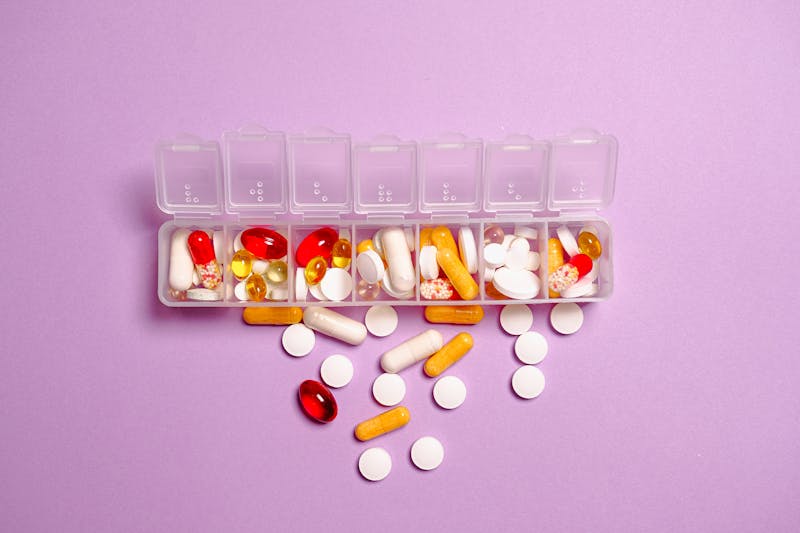
The fertility supplement market is enormous, confusing, and full of products that promise far more than they can deliver. As a reproductive health researcher, I see women spending hundreds of dollars a month on supplement stacks that are based more on marketing than on science. At the same time, I see women who skip supplementation entirely because the sheer volume of options feels overwhelming.
This guide takes a different approach. Instead of listing every supplement that has ever been loosely associated with fertility, I am focusing on the ones with genuine scientific support, the ones that reproductive endocrinologists actually recommend to their patients. For each supplement, I will give you a brief verdict and then link you to our in-depth guide where you can get the full research breakdown, dosage recommendations, and practical advice.
The Foundation: A Quality Prenatal Vitamin
Verdict: Essential. Start at least 3 months before TTC.
A prenatal vitamin is not optional. It is the absolute foundation of any fertility supplement protocol. The most critical nutrient it provides is folate, which is essential for preventing neural tube defects in the earliest weeks of pregnancy, often before you even know you are pregnant. A good prenatal also provides iron, iodine, vitamin D, and other nutrients that support both conception and early fetal development.
The key decision is whether to choose a prenatal with folic acid, the synthetic form, or methylfolate, the active form your body uses directly. Women with MTHFR gene variants, which affect up to 40 percent of the population, may not efficiently convert folic acid to its active form. Our comprehensive prenatal vitamins guide covers how to choose the right prenatal for your genetic profile, what to look for on the label, and which brands deliver the best value.
The American College of Obstetricians and Gynecologists recommends that all women of reproductive age take at least 400 mcg of folic acid daily, with 800 to 1,000 mcg recommended for women actively trying to conceive.
CoQ10 (Ubiquinol): The Egg Quality Powerhouse
Verdict: Strongly recommended, especially for women over 33.
CoQ10 is the supplement with the strongest evidence for supporting age-related egg quality. It works by fueling the mitochondria inside your eggs, which require extraordinary amounts of energy to mature properly and divide without chromosomal errors. Natural CoQ10 production peaks in your mid-20s and declines steadily after that, which is one reason egg quality decreases with age.
A systematic review published in PubMed examining multiple studies on CoQ10 and fertility found consistent evidence of improved ovarian response, better fertilization rates, and higher embryo quality in women supplementing with CoQ10. The evidence is particularly compelling for women over 35 and those with diminished ovarian reserve.
The recommended fertility dose is 400 to 600 mg daily of ubiquinol, the reduced and more bioavailable form. Take it with a meal containing fat for optimal absorption. Our complete CoQ10 fertility guide covers everything from the research details to brand comparisons to timing protocols for maximum benefit.
Vitamin D: The Overlooked Fertility Hormone
Verdict: Get tested and supplement if below 40 ng/mL.
Vitamin D is technically a hormone, not a vitamin, and its role in fertility is increasingly well documented. Research has linked vitamin D deficiency to reduced implantation rates, lower IVF success rates, higher miscarriage risk, and conditions like PCOS and endometriosis. Despite this, an estimated 40 to 60 percent of women of reproductive age are vitamin D deficient.
The optimal level for fertility is generally considered to be 40 to 60 ng/mL, which is higher than the standard reference range minimum of 30 ng/mL. A simple blood test can determine your level, and most women need 2,000 to 5,000 IU daily to reach and maintain the optimal range. Because vitamin D is fat-soluble and can accumulate to toxic levels, testing before supplementing at high doses is important.
Omega-3 Fatty Acids (DHA and EPA)
Verdict: Recommended for both partners.
Omega-3 fatty acids, specifically DHA and EPA from fish oil or algae-based supplements, support fertility through multiple mechanisms. They reduce systemic inflammation, which can impair implantation and contribute to conditions like endometriosis. They support hormone production, particularly progesterone, which is essential for maintaining early pregnancy. And DHA is critical for fetal brain and eye development in the earliest weeks after conception.
For men, omega-3 supplementation has been associated with improved sperm morphology and motility. A combined intake of 1,000 to 2,000 mg of EPA plus DHA daily is the range most commonly recommended by fertility specialists. Choose a supplement that has been third-party tested for mercury and other contaminants. The World Health Organization periconception nutrition guidelines support omega-3 intake as part of a comprehensive preconception nutrition strategy.
Folate and Methylfolate
Verdict: Non-negotiable. Choose the right form for your body.
While your prenatal vitamin contains folate, it deserves its own discussion because the form matters enormously. Folic acid, the synthetic form found in most prenatals, must be converted through several enzymatic steps before your body can use it. Women with common MTHFR gene variants may convert folic acid inefficiently, potentially leaving them functionally deficient even while supplementing.
Methylfolate, also labeled as L-methylfolate or 5-MTHF, is the active form that bypasses the conversion process entirely. Some fertility specialists now recommend methylfolate for all women trying to conceive, regardless of MTHFR status, simply because it ensures adequate levels without relying on efficient conversion. Our supplements versus medications guide helps you understand when supplementation is sufficient and when prescription support may be needed.
Iron
Verdict: Test first. Supplement only if deficient.
Iron deficiency is one of the most common nutritional deficiencies in women of reproductive age, and it can quietly undermine fertility. Low iron levels are associated with anovulation, meaning your ovaries may not release an egg consistently. Iron is also essential for the increased blood volume that pregnancy demands, so entering pregnancy with depleted stores puts both you and your baby at risk.
However, iron is one supplement where more is not better. Excess iron can cause oxidative stress, which is the opposite of what you want for egg quality. Get your ferritin levels tested before supplementing, and aim for a ferritin level of at least 40 to 50 ng/mL. If you are deficient, iron bisglycinate is the form best tolerated by most women, with fewer gastrointestinal side effects than other forms.
DHEA: A Special Case
Verdict: Only under medical supervision for diminished ovarian reserve.
Dehydroepiandrosterone, or DHEA, is a hormone precursor that has shown promise for women with diminished ovarian reserve, a condition where the pool of available eggs is lower than expected for age. Research suggests that DHEA supplementation at 75 mg daily for at least two to three months before IVF can improve ovarian response and egg yield.
However, DHEA is a hormone, not a vitamin, and it should not be taken without medical guidance. It can cause acne, facial hair growth, and mood changes in some women. It is also not appropriate for women with normal ovarian reserve or conditions like PCOS where androgen levels are already elevated. If you have been diagnosed with diminished ovarian reserve, discuss DHEA with your reproductive endocrinologist before starting it on your own. For more on egg quality and age, our dedicated guide covers the full picture.
Supplements for Male Fertility
Verdict: Men should supplement too. Male factor is involved in nearly half of all fertility challenges.
The conversation about fertility supplements too often focuses exclusively on women, but sperm quality matters equally. The declining sperm quality trends documented over the past several decades make male supplementation more relevant than ever. The most evidence-backed supplements for male fertility include:
- CoQ10 (200-400 mg daily): Improves sperm motility and protects against oxidative damage
- Zinc (30-50 mg daily): Essential for testosterone production and sperm development
- L-carnitine (1,000-2,000 mg daily): Supports sperm energy metabolism and motility
- Vitamin C (500-1,000 mg daily): Protects sperm DNA from oxidative damage
- Selenium (55-100 mcg daily): Supports normal sperm morphology
- Vitamin E (200-400 IU daily): Works synergistically with vitamin C as an antioxidant
Men should start supplementing at least 90 days before trying to conceive, as sperm production takes approximately 74 days from start to ejaculation. If your partner has had a semen analysis showing any suboptimal parameters, targeted supplementation can make a meaningful difference over two to three months.
What to Skip: Supplements Without Strong Evidence
Not every supplement marketed for fertility has the evidence to back its claims. A few that get more hype than they deserve:
- Royal jelly: Popular in the fertility community but supported by minimal human research. Most evidence comes from animal studies that have not been replicated in humans.
- Maca root: Some evidence for libido enhancement but limited evidence for actual fertility improvement in humans.
- Vitex (chasteberry): May help regulate cycles in some women with luteal phase defects, but the evidence is inconsistent and it can interfere with certain fertility medications.
- Pine bark extract: Early research is interesting but too preliminary to recommend as a standalone fertility supplement.
This does not mean these supplements are harmful. Most are safe. But when you are budgeting for your fertility journey, putting your money toward the supplements with the strongest evidence gives you the best return on investment.
Building Your Protocol: A Practical Framework
Rather than taking everything on this list, build a protocol based on your specific situation. Here is a practical framework:
Every woman TTC should take: A quality prenatal vitamin with methylfolate, vitamin D (after testing), and omega-3 fatty acids. This is your non-negotiable foundation.
Women over 33 or with egg quality concerns should add: CoQ10 at 400 to 600 mg daily in the ubiquinol form. This is the single most impactful addition for age-related fertility support.
Women with specific diagnoses should consider: DHEA for diminished ovarian reserve (under medical supervision), iron for confirmed deficiency, and condition-specific supplements as recommended by their care team.
Our guide on fertility diet and nutrition covers how to complement your supplement protocol with whole-food nutrition strategies that support the same reproductive pathways. And for a deeper understanding of when supplements are enough versus when you might need medical intervention, our supplements versus medications comparison provides the clarity you need. For women over 35 building a comprehensive conception strategy, our fertility after 35 guide puts supplementation in the context of all your available options.
The best supplement protocol is one you will actually follow consistently for at least three months. Start with the foundations, add based on your individual needs, discuss your plan with your healthcare provider, and give your body the time it needs to benefit. Combined with proper timing and the right insemination method for your situation, a science-backed supplement routine is one of the most proactive steps you can take on your path to parenthood.
For comprehensive support, the BabyMaker Boost Bundle pairs the insemination kit with Her Daily fertility supplements for complete conception support.
Frequently Asked Questions
How long before TTC should I start supplements?
Most fertility specialists recommend starting a core supplement regimen at least 90 days (3 months) before you begin trying to conceive. This timeline aligns with the egg maturation cycle, as the eggs you ovulate today began developing approximately 90 days ago. Supplements like CoQ10, folate, and vitamin D need time to build up in your system and influence the developing eggs. Prenatal vitamins should ideally be started even earlier, as adequate folate levels are critical from the very first weeks of pregnancy, often before you know you are pregnant.
For daily nutritional support, Her Daily Formula provides bioavailable Folate, CoQ10, and Vitamin D specifically formulated for women on a conception journey.
Can CoQ10 improve egg quality?
Research strongly suggests that CoQ10 can support egg quality by improving mitochondrial function in developing oocytes. A systematic review of multiple studies found that women taking CoQ10 showed improved ovarian response, higher fertilization rates, and better embryo quality. The effect appears to be most significant for women over 35, when natural CoQ10 production declines. The recommended dose for fertility is 400 to 600 mg daily of ubiquinol, the active form. Results are not immediate, so starting at least 90 days before trying to conceive is recommended.
Do men need fertility supplements?
Yes, male factor contributes to approximately 40 to 50 percent of all fertility challenges, and several supplements have strong evidence for improving sperm quality. CoQ10 has been shown to improve sperm motility and morphology. Zinc supports testosterone production and sperm development. L-carnitine plays a role in sperm energy metabolism. Vitamin C and vitamin E provide antioxidant protection against sperm DNA damage. Men should start supplementing at least 90 days before trying to conceive, as sperm production takes approximately 74 days from start to finish.
Men can support their fertility with His Daily Formula, which includes Zinc, L-Carnitine, and CoQ10 to support sperm quality and motility.
Are supplements safe with prescriptions?
Most fertility supplements are safe alongside common medications, but interactions can occur. CoQ10 may interact with blood thinners like warfarin. High-dose vitamin E can also affect blood clotting. DHEA can interact with hormone-sensitive medications. Vitamin D at high doses can affect calcium metabolism. Always disclose your complete supplement regimen to your prescribing physician, especially if you are taking fertility medications like Clomid, Letrozole, or gonadotropins. Your doctor can identify potential interactions and adjust dosages as needed.



Ready to Start Your Journey?
Take our 30-second quiz to find the insemination kit designed for your specific situation.
Find Your Kit