Berberine for PCOS and Fertility: A Natural Alternative?
If you have polycystic ovary syndrome and are trying to conceive, you have probably been told about metformin. It is the most commonly prescribed medication for managing insulin resistance in PCOS, and for many women, it genuinely helps regulate ovulation and improve fertility outcomes. But metformin comes with a well-known drawback: gastrointestinal side effects that can range from mildly annoying to genuinely debilitating. Nausea, diarrhea, bloating, and stomach cramps drive many women to discontinue the medication before it has time to work.
Enter berberine: a plant-derived compound that has been used in traditional Chinese and Ayurvedic medicine for centuries and has recently attracted serious attention from the Western medical research community. A growing body of clinical evidence suggests that berberine may be as effective as metformin for several key PCOS markers, with fewer gastrointestinal side effects. For women with PCOS who are trying to conceive, this is a development worth understanding.
This guide examines what berberine is, what the clinical research says about its effects on PCOS and fertility, how to use it safely, and how it fits alongside other evidence-based PCOS interventions.
What Is Berberine?
Berberine is a bioactive alkaloid found in several plants, including goldenseal, Oregon grape, barberry, and Chinese goldthread. It has a distinctive yellow color and has been used for millennia in traditional medicine systems for treating infections, digestive disorders, and inflammatory conditions.
In modern research, berberine has attracted attention primarily for its effects on metabolic health. Studies have demonstrated that berberine activates an enzyme called AMP-activated protein kinase (AMPK), which plays a central role in cellular energy metabolism. This is the same metabolic pathway through which metformin exerts many of its effects, which is why researchers began studying berberine as a potential alternative.
Through AMPK activation and other mechanisms, berberine has been shown to improve insulin sensitivity, lower blood glucose levels, reduce cholesterol and triglycerides, and decrease inflammatory markers. These are precisely the metabolic dysfunctions that drive many of the symptoms and fertility challenges associated with PCOS.
How PCOS Affects Fertility
Polycystic ovary syndrome is the most common endocrine disorder in women of reproductive age, affecting approximately 8 to 13 percent of women depending on the diagnostic criteria used. It is also the leading cause of anovulatory infertility, meaning infertility caused by the failure to ovulate regularly.
The connection between PCOS and infertility is driven by a cascade of hormonal and metabolic disruptions. Insulin resistance, present in 50 to 70 percent of women with PCOS regardless of body weight, causes the pancreas to produce excess insulin. Elevated insulin stimulates the ovaries to produce excess androgens (male hormones like testosterone). These excess androgens interfere with the normal development and release of eggs from the ovarian follicles, resulting in irregular or absent ovulation.
Without regular ovulation, conception becomes difficult or impossible. Even when ovulation does occur in women with PCOS, egg quality may be compromised by the hostile hormonal environment, and the endometrial lining may not develop optimally due to hormonal imbalances.
This is why insulin-sensitizing agents like metformin and berberine are central to PCOS fertility treatment. By addressing the insulin resistance that drives the hormonal cascade, they can help restore regular ovulation and improve the overall hormonal environment for conception. For a deeper understanding of how PCOS affects your fertility journey, our guide on PCOS and conception covers the full picture.
Berberine vs. Metformin: The Research
The comparison between berberine and metformin for PCOS has been studied in multiple clinical trials, and the results have been remarkably favorable for berberine.
A pivotal randomized controlled trial published in the European Journal of Endocrinology compared berberine, metformin, and placebo in 89 women with PCOS. The study found that berberine produced comparable reductions in insulin resistance, fasting glucose, and testosterone levels compared to metformin. Notably, berberine also produced significant improvements in cholesterol and triglyceride levels that metformin did not match.
A meta-analysis published in Frontiers in Endocrinology pooled data from multiple trials comparing berberine to metformin in PCOS patients. The analysis concluded that berberine was at least as effective as metformin for reducing HOMA-IR (a measure of insulin resistance), lowering total testosterone, and improving lipid profiles. For some endpoints, including total cholesterol and triglycerides, berberine showed statistically superior results.
A Cochrane systematic review examining complementary therapies for PCOS noted that while the evidence for berberine is promising, many studies have been conducted with relatively small sample sizes and short treatment durations. The reviewers called for larger, longer-term trials to confirm the findings, but acknowledged that the existing evidence supports berberine as a reasonable option for insulin-sensitizing treatment in PCOS.
Perhaps most relevant for women trying to conceive, several studies have specifically examined berberine's effects on ovulation. A trial comparing berberine combined with the fertility drug cyproterone acetate versus metformin combined with cyproterone acetate found that the berberine group had higher ovulation rates and pregnancy rates, though the differences did not reach statistical significance due to the small sample size.
Benefits for Ovulation and Insulin Sensitivity
The benefits of berberine for women with PCOS who are trying to conceive can be categorized into several key areas.
Improved Insulin Sensitivity
By activating the AMPK pathway, berberine enhances the ability of cells to respond to insulin, reducing the amount of insulin the pancreas needs to produce. Lower insulin levels directly reduce ovarian androgen production, addressing one of the root causes of anovulation in PCOS. Studies consistently show reductions in fasting insulin and HOMA-IR scores with berberine supplementation.
Reduced Androgen Levels
As insulin sensitivity improves, testosterone and other androgen levels typically decrease. This is important not only for fertility but also for managing PCOS symptoms like acne, hirsutism (excess hair growth), and hair thinning. Clinical trials have demonstrated reductions in total and free testosterone with berberine treatment.
Restored Ovulation
With the hormonal environment shifting toward normal, many women with PCOS who take berberine begin ovulating more regularly. Regular ovulation is obviously essential for natural conception and equally important for the success of timed insemination, whether at home or in a clinic.
Improved Lipid Profiles
Women with PCOS often have elevated cholesterol and triglycerides, which are independent risk factors for cardiovascular disease and may affect placental health during pregnancy. Berberine has been shown to reduce total cholesterol, LDL cholesterol, and triglycerides more effectively than metformin in head-to-head trials.
Reduced Inflammation
Chronic low-grade inflammation is a feature of PCOS that contributes to insulin resistance and may impair egg quality and endometrial receptivity. Berberine has demonstrated anti-inflammatory properties, reducing markers such as C-reactive protein (CRP) in clinical studies.
Dosage for PCOS and TTC
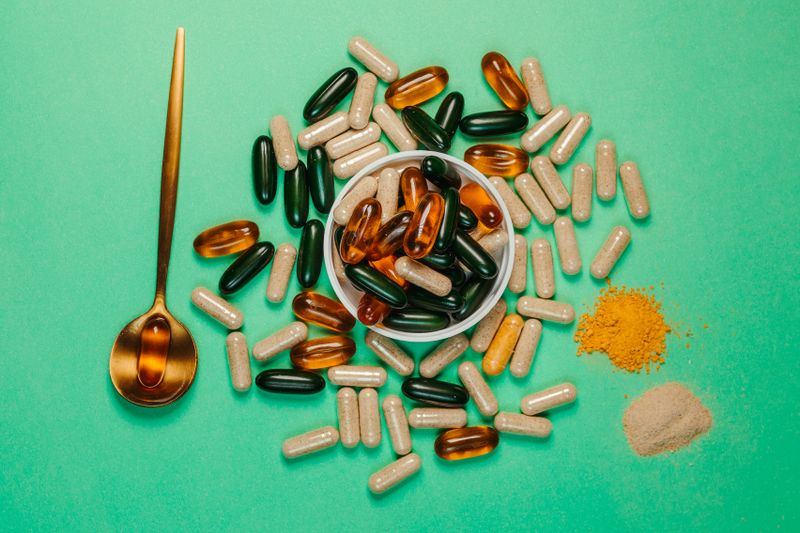
The dosage used in most clinical studies for PCOS is 500 mg of berberine taken three times daily with meals, totaling 1,500 mg per day. This is the dose that has consistently demonstrated benefits for insulin resistance, androgen levels, and metabolic markers.
Taking berberine with meals serves two purposes: it reduces the likelihood of gastrointestinal side effects, and food enhances the absorption of berberine, which has naturally low bioavailability. Some newer berberine formulations use delivery technologies like phytosomes or dihydroberberine to improve absorption, which may allow lower dosing, but these have not been as extensively studied in PCOS specifically.
A gradual dose escalation can help minimize side effects. Start with 500 mg once daily for the first week, increase to 500 mg twice daily in the second week, and reach the full dose of 500 mg three times daily by the third week. This approach gives your digestive system time to adjust and significantly reduces the likelihood of diarrhea or stomach discomfort.
Most clinical trials showing benefits for PCOS used treatment periods of three to six months. Given that it takes approximately three months for a developing follicle to go from recruitment to ovulation, three months is the minimum treatment duration you should plan for before evaluating whether berberine is helping your ovulatory function.
Pair berberine supplementation with a comprehensive prenatal like Her Daily Formula to ensure you are meeting all nutritional needs during the preconception period. A complete approach using the Her Complete Kit provides the daily nutritional foundation alongside targeted fertility support.
Side Effects and Safety
Berberine is generally well tolerated, particularly when compared to metformin. The most common side effects are gastrointestinal and tend to be mild and transient.
- Diarrhea is the most frequently reported side effect, occurring in approximately 10 to 15 percent of users. It is usually mild and resolves within the first week of use or with dose reduction.
- Constipation affects some users, particularly at higher doses. Adequate water intake and dietary fiber can help.
- Stomach cramping or nausea is occasionally reported, especially when berberine is taken on an empty stomach. Always take berberine with food.
- Flatulence is sometimes reported in the early days of supplementation.
Compared to metformin, which causes gastrointestinal side effects severe enough to lead to discontinuation in up to 25 percent of users, berberine's side effect profile is notably milder. This is a significant practical advantage, as consistent use over several months is necessary to achieve fertility benefits.
Important safety note regarding pregnancy: Berberine should be discontinued once a positive pregnancy test is confirmed. Animal studies have raised concerns about berberine's potential effects on uterine contractions and embryonic development. While these findings have not been replicated in human studies, the precautionary principle applies. Use berberine to optimize your metabolic and hormonal status before conception, then discontinue upon confirmation of pregnancy and discuss ongoing insulin management with your doctor.
Berberine can interact with certain medications, including blood thinners, blood pressure medications, diabetes drugs, and certain antibiotics. Always inform your healthcare provider of all supplements you are taking.
Combining Berberine with Other PCOS Supplements
Many women with PCOS benefit from a multi-targeted supplement approach. Here is how berberine interacts with the most evidence-based PCOS supplements.
Berberine and Inositol
Myo-inositol is one of the most well-studied supplements for PCOS, with strong evidence for improving insulin sensitivity, egg quality, and ovulatory function. It works through a different mechanism than berberine: while berberine activates AMPK, inositol acts as an insulin second messenger and supports FSH signaling in the ovaries.
Because they work through complementary pathways, combining berberine and inositol is theoretically sound and is practiced by many integrative fertility specialists. The combination may provide more robust insulin sensitization than either agent alone. The typical inositol dose for PCOS is 4,000 mg of myo-inositol combined with 100 mg of D-chiro-inositol daily, in the 40:1 ratio that mirrors the body's natural ratio.
Berberine and NAC (N-Acetyl Cysteine)
NAC is a powerful antioxidant and mucolytic that has shown benefits for PCOS, particularly for improving ovulation when used alongside clomiphene citrate. NAC also supports liver detoxification and glutathione production, which may help the body process excess androgens more efficiently. Combining NAC with berberine provides antioxidant support alongside metabolic improvement.
Berberine and Vitamin D
Vitamin D deficiency is extremely common in women with PCOS, and low vitamin D levels have been independently associated with worse insulin resistance and lower ovulation rates. Correcting vitamin D deficiency to optimal levels of 40 to 60 ng/mL may enhance the insulin-sensitizing effects of berberine.
For a comprehensive guide to building an evidence-based supplement protocol for PCOS, our PCOS supplement stack guide provides detailed dosing and timing recommendations.
Who Should NOT Take Berberine
While berberine is safe for most women with PCOS who are trying to conceive, there are specific populations who should avoid it or use it only under close medical supervision.
- Pregnant women. As discussed above, berberine should be stopped upon confirmation of pregnancy due to insufficient safety data in human pregnancy and concerns raised by animal studies.
- Breastfeeding women. Berberine can be transferred through breast milk, and its safety for nursing infants has not been established.
- Women taking metformin concurrently. Combining berberine and metformin amplifies the insulin-sensitizing effect and could potentially cause hypoglycemia (dangerously low blood sugar). If you want to switch from metformin to berberine, do so under medical supervision with a transition plan, not by taking both simultaneously.
- Women on blood-thinning medications. Berberine may enhance the effects of anticoagulants like warfarin, increasing bleeding risk.
- Women with liver disease. Berberine is metabolized by the liver, and high doses could potentially stress an already compromised liver. Liver function tests should be monitored if you have a history of liver disease.
- Women taking CYP3A4-metabolized medications. Berberine inhibits the CYP3A4 enzyme, which metabolizes many common medications including certain statins, immunosuppressants, and oral contraceptives. If you are taking any prescription medication, check with your pharmacist for potential interactions.
Understanding your complete hormonal picture through proper hormone testing is essential before starting any supplement protocol for PCOS. Baseline blood work for insulin, glucose, testosterone, DHEA-S, thyroid function, and vitamin D provides a foundation for measuring whether berberine is working and guides dosing decisions.
The Cleveland Clinic's PCOS page provides an excellent overview of the condition and its treatment options, including the role of insulin-sensitizing agents in fertility management.
Frequently Asked Questions
Is berberine as effective as metformin for PCOS?
Several clinical trials and meta-analyses have found that berberine is comparable to metformin for improving insulin resistance, reducing fasting blood glucose, and lowering testosterone levels in women with PCOS. Some studies suggest berberine may be slightly more effective than metformin for improving lipid profiles. For fertility specifically, limited evidence suggests similar ovulation rates when comparing berberine to metformin, though more large-scale studies are needed. Berberine is generally better tolerated gastrointestinally than metformin, which is a significant practical advantage.
What is the correct berberine dosage for PCOS?
The most commonly studied dosage for PCOS is 500 mg taken three times daily with meals, for a total of 1,500 mg per day. Some protocols start with 500 mg once daily and gradually increase over one to two weeks to minimize gastrointestinal side effects. Taking berberine with food improves absorption and reduces stomach upset. Most clinical trials have used treatment periods of three to six months, which aligns with the time needed to see meaningful changes in ovulatory function and metabolic markers.
Can I take berberine and inositol together for PCOS?
Yes, berberine and inositol (particularly myo-inositol and D-chiro-inositol) can be taken together and may have complementary effects for PCOS. They work through different mechanisms: berberine activates the AMPK pathway similar to metformin, while inositol acts as an insulin sensitizer and supports FSH signaling in the ovaries. Some integrative practitioners recommend combining both for women with significant insulin resistance and ovulatory dysfunction. However, combining multiple insulin-sensitizing agents should be done under medical supervision to avoid hypoglycemia.
Is berberine safe to take while trying to conceive?
Berberine appears to be safe during the preconception period and is used specifically to improve fertility outcomes in women with PCOS. However, berberine should be discontinued once pregnancy is confirmed. Animal studies have raised concerns about potential effects on embryonic development, and there are insufficient human safety data for use during pregnancy. This is similar to how metformin is often used to achieve conception but may be discontinued or continued under close supervision once pregnancy is confirmed, depending on the clinical scenario.