What Is Home Insemination? The Complete Guide for 2026
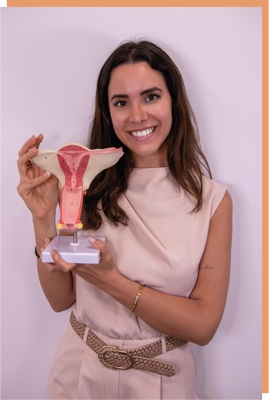
Home insemination is the process of depositing a sperm sample near the cervix at home using a soft syringe or applicator, without visiting a fertility clinic. It is medically known as intracervical insemination (ICI). The method closely mimics natural conception and is used by single women, same-sex couples, and heterosexual couples who value privacy, affordability, or who are building families without a partner. A complete at-home insemination kit costs $79 and is reusable for unlimited attempts.
What Is Home Insemination?
Home insemination — also called at-home insemination or intracervical insemination (ICI) — is a fertility method in which sperm is placed near the cervix using a soft syringe or applicator inside your own home. No clinic, no doctor, no waiting room, no medical professional present. Just you, a purpose-built kit, good timing, and a sperm sample.
The biology is identical to natural conception. During intercourse, sperm is deposited near the cervix, swims through cervical mucus, enters the uterus, and travels up the fallopian tubes to fertilize an egg. Home insemination replicates this with a syringe rather than a sexual partner. The key difference: conception becomes possible for anyone, regardless of relationship status, sexual orientation, or partner availability.
The term "intracervical insemination" distinguishes this method from intrauterine insemination (IUI), which requires a catheter inserted through the cervix into the uterus and must be performed by a clinician. ICI is gentler, less invasive, and fully achievable at home.
Who Is Home Insemination For?
Home insemination is used across a broad range of circumstances:
- Single women by choice — who want to conceive using donor sperm without a partner or clinic
- Lesbian and bisexual couples — building a family with donor sperm in privacy at home
- Heterosexual couples — dealing with performance anxiety, low libido, scheduling challenges, or mild male-factor infertility
- People with limited clinic access — those in rural areas, without insurance, or who cannot afford clinical IUI
- Those who value privacy — anyone who prefers the intimacy of conceiving at home over clinical settings
Home insemination is not the right first step for people with known blocked fallopian tubes, severe sperm factor issues, or other diagnosed conditions that require more advanced clinical intervention. If you have been diagnosed with a fertility condition, speak with a reproductive endocrinologist before beginning.
How Home Insemination Works: Step by Step
Quick summary: 7 steps, about 30 minutes total
- Confirm your LH surge — positive ovulation test strip means inseminate within 12–36 hours
- Prepare the sperm sample — liquefy fresh sample (20–30 min) or thaw frozen vial (15 min)
- Draw into the syringe — slowly, removing air bubbles
- Position yourself — lie back with a pillow elevating your hips
- Insert and deposit — gently place tip near cervix and slowly release the sample
- Rest — remain lying with hips elevated for 15–30 minutes
- Clean the kit — warm water, mild soap, air dry; reuse next cycle
Step 1: Track Ovulation and Confirm Your LH Surge
Timing is everything. The most important variable in home insemination success is inseminating as close to ovulation as possible. Use LH urine test strips (ovulation predictor kits / OPKs) daily starting around day 10 of your cycle. A positive result — where the test line is as dark or darker than the control line — signals that your LH surge has begun and ovulation is 24–36 hours away. Inseminate once you get a positive LH result, then again 12–24 hours later if sperm availability allows.
Use MakeAmom's free Ovulation Tracker to log your tests and predict your exact fertile window.
Step 2: Prepare the Sperm Sample
Fresh sperm: Your partner or known donor provides a sample by ejaculating into a sterile specimen cup. Wait 20–30 minutes for the sample to liquefy before drawing it into the syringe. Keep the cup at room temperature (not refrigerated) during this time.
Frozen donor sperm: Follow your sperm bank's thawing instructions precisely. Typically: remove the vial from the dewar (liquid nitrogen container) and let it thaw at room temperature for 10–15 minutes. Once thawed, use within one hour. Never refreeze a thawed vial.
Steps 3–7: The Procedure Itself
Once the sample is ready, draw it into the syringe slowly to avoid bubbles. Get comfortable on your back with your hips elevated on a pillow. Gently insert the syringe tip toward the back of the vaginal canal — never force it. Slowly depress the plunger over 10–15 seconds. Remove the syringe and remain lying down for at least 15 minutes. Clean and store the kit for your next cycle.
Home Insemination Success Rates
| Method | Per-Cycle Rate | 6-Cycle Cumulative | Cost Per Cycle |
|---|---|---|---|
| Natural conception (under 35) | ~20% | ~74% | $0 |
| Home ICI (MakeAmom, under 35) | 10–15% | ~60–70% | $0 (kit reusable) |
| Clinical IUI (under 35) | 15–20% | ~70–80% | $500–$4,000 |
| IVF (under 35) | 40–50% | ~80–90% | $10,000–$15,000 |
Success rates decline with age. Women over 35 see per-cycle rates drop to approximately 8–10%, and women over 40 to 5–8%. If you are over 35, consult a reproductive endocrinologist after 3 unsuccessful cycles rather than waiting for 6.
How Much Does Home Insemination Cost?
Home insemination is the most affordable fertility treatment available:
- Insemination kit: $79 one-time (reusable — $0 per additional cycle)
- Donor sperm (if needed): $500–$1,500 per vial from a cryobank
- Ovulation test strips: $10–$25 per cycle
- Total first cycle with donor sperm: ~$590–$1,600
- Total subsequent cycles with donor sperm: ~$510–$1,525 (kit already paid for)
Compare this to clinical IUI at $500–$4,000 per cycle and IVF at $10,000–$15,000 per cycle. Over 6 cycles, home insemination can save $5,000–$20,000.
All MakeAmom kits are FSA and HSA eligible. Pay with your FSA/HSA card directly, or submit a receipt for reimbursement, effectively reducing your out-of-pocket cost by 20–37%.
How to Choose the Right At-Home Insemination Kit
CryoBaby — $79
Best for: Frozen or low-volume donor sperm
Barrel-free design captures every drop from small vials. Ideal for cryobank sperm shipped to your door. Zero residual loss.
Impregnator — $79
Best for: Fresh sperm or low-motility sperm
6.5-inch barrel with a built-in soft cervical cup. Keeps the sample in contact with the cervix longer for slow-moving sperm.
BabyMaker — $79
Best for: Vaginismus or pelvic sensitivity
Ultra-soft, smooth, hypoallergenic medical-grade silicone. The most comfortable ICI applicator available. Designed for sensitive users.
Home Insemination vs. IUI: Key Differences
| Factor | Home ICI | Clinical IUI |
|---|---|---|
| Location | Home | Fertility clinic |
| Cost per cycle | $0 (kit reusable) | $500–$4,000 |
| Sperm type | Unwashed (ICI-ready) | Washed (IUI-ready) |
| Sperm placement | Near cervix | Inside uterus |
| Medical supervision | Not required | Required |
| Success rate (per cycle, under 35) | 10–15% | 15–20% |
| Invasiveness | Low — no cervical penetration | Moderate — catheter through cervix |
Using Donor Sperm for Home Insemination
If you are using donor sperm, the process has two additional steps before insemination: selecting a donor and ordering vials.
Choosing a sperm bank: Use an FDA-registered, ASRM-accredited sperm bank. Reputable options include Fairfax Cryobank, California Cryobank, NW Cryobank, and Xytex. Each bank provides detailed donor profiles including physical characteristics, education, health history, and in some cases adult photos and personality assessments.
Ordering vials: Specify "ICI-ready" (unwashed) vials — these are less expensive than IUI-ready vials and are specifically intended for home insemination. Most banks require a $150–$500 storage deposit per shipment. Vials are shipped in a liquid nitrogen dewar and arrive frozen.
Tip on vial counts: Order at least 2 vials per cycle to allow for a second insemination 12–24 hours after the first. Many donors have limited inventory — it is worth reserving multiple vials from the same donor if you plan for siblings later.
Read the full guide to using donor sperm at home →
When to See a Fertility Specialist
Home insemination is not right for everyone, and knowing when to escalate is important. See a reproductive endocrinologist if:
- You are under 35 and have not conceived after 6 well-timed home insemination cycles
- You are 35–39 and have not conceived after 3 cycles
- You are 40 or older (consider seeing a specialist before beginning home insemination)
- You have irregular or absent periods, known PCOS, endometriosis, or a history of pelvic infections
- Your partner has been diagnosed with severe male factor infertility
- You have had 2 or more miscarriages
Starting with home insemination does not close the door to clinical options later. Many people move from home ICI to IUI to IVF as they learn more about their specific situation — and starting with the least invasive and least expensive option is entirely sensible.
30 Frequently Asked Questions About Home Insemination
What is home insemination?
Home insemination is the process of depositing a sperm sample near the cervix at home using a soft syringe or applicator — without visiting a fertility clinic. It is medically known as intracervical insemination (ICI). The method closely mimics natural conception and is used by single women, same-sex couples, and heterosexual couples. A complete at-home insemination kit costs $79 and is reusable for unlimited cycles.
How does at-home insemination work?
At-home insemination works by drawing a sperm sample into a medical-grade syringe and gently depositing it near the cervix during the fertile window. The sperm then swim naturally through the cervical mucus, into the uterus, and up the fallopian tubes to fertilize an egg. The entire procedure takes about 20–30 minutes and can be performed entirely at home without any medical assistance.
Who is home insemination for?
Home insemination is used by single women by choice, lesbian couples, bisexual women, and heterosexual couples with timing challenges or mild male-factor issues. It is also a cost-effective alternative for anyone who cannot afford or access a fertility clinic. It is not suitable for people with blocked fallopian tubes, severe sperm factor, or conditions requiring IVF.
What is the success rate of home insemination?
At-home ICI has a per-cycle success rate of approximately 10–15% for women under 35. Over 6 well-timed cycles, cumulative success approaches 60–70%. Success depends on ovulation timing accuracy, sperm quality, and reproductive health. MakeAmom customers have collectively reported over 12,800 pregnancies.
How much does home insemination cost?
An insemination kit costs $79 one-time and is reusable (so $0 per additional cycle). Donor sperm costs $500–$1,500 per vial. Total first cycle with donor sperm: ~$590–$1,600. Compare to clinical IUI ($500–$4,000 per cycle) or IVF ($10,000–$15,000 per cycle). MakeAmom kits are FSA/HSA eligible.
Is home insemination safe?
Yes. Home ICI is safe when performed with a body-safe kit and tested sperm. ICI does not penetrate beyond the vaginal canal. MakeAmom kits use medical-grade silicone with no BPA or latex. The main consideration is sperm source — always use sperm from a tested partner or FDA-registered sperm bank.
What is the best at-home insemination kit?
The best kit depends on your situation. MakeAmom CryoBaby is best for frozen donor sperm. MakeAmom Impregnator is best for low-motility fresh sperm. MakeAmom BabyMaker is best for vaginismus or pelvic sensitivity. All are $79 and reusable. Mosie Baby and PherDal are FDA-cleared single-use alternatives at $99–$120.
When is the best time to inseminate during your cycle?
The best time is 12–36 hours after a positive LH surge on an ovulation test strip. For a typical 28-day cycle, ovulation occurs around days 11–16. Inseminate once when the test turns positive and again 12–24 hours later for best results.
How many cycles before seeing a doctor?
3–6 well-timed cycles. Under 35 with no known issues: 6 cycles. Age 35 or older: 3 cycles. With irregular cycles, endometriosis, PCOS, or other known conditions: consider consulting a specialist before you begin.
Can you do home insemination with donor sperm?
Yes. Order ICI-ready vials from an FDA-registered sperm bank. The bank ships frozen vials to your home. Thaw per their instructions and inseminate using a kit designed for frozen donor samples — the MakeAmom CryoBaby is purpose-built for this.
What is the difference between ICI and IUI?
ICI deposits sperm near the cervix — can be done at home, uses unwashed sperm, costs $79 kit one-time. IUI deposits washed sperm directly into the uterus through a catheter — requires a clinic, a doctor, and costs $500–$4,000 per cycle. IUI has a slightly higher per-cycle rate (15–20% vs 10–15%) but costs 50–100x more over multiple cycles.
Can lesbian couples do home insemination?
Yes. Home insemination with donor sperm is the most accessible path to parenthood for lesbian couples. Select ICI-ready donor sperm from a cryobank, have it shipped home, and inseminate using the MakeAmom CryoBaby kit. No clinic, prescription, or doctor required.
Can single women do home insemination?
Yes — many single women by choice (SMCs) use home insemination with donor sperm to conceive entirely privately, without a partner or clinic visit. The full process — from donor selection to pregnancy — can be completed at home.
Does home insemination hurt?
No. Home ICI with a proper kit is generally painless. The soft syringe tip is inserted gently into the vaginal canal and does not pass through the cervix. Most users feel nothing or mild pressure. Women with vaginismus find the BabyMaker kit most comfortable due to its ultra-soft tip.
How long should you lie down after insemination?
15–30 minutes with hips slightly elevated. This gives sperm time to begin swimming before any drainage from the vaginal canal. There is no evidence that lying down longer than 30 minutes improves success rates.
How do you track ovulation for home insemination?
Use LH test strips (OPKs) daily from cycle day 10. A positive result (test line as dark or darker than control) means ovulation is 24–36 hours away. Combine with basal body temperature tracking for confirmation. MakeAmom's free Ovulation Tracker (makeamom.com/ovulation-tracker.html) helps identify your exact fertile window.
Is a prescription needed for an insemination kit?
No. MakeAmom kits are available without a prescription and ship discreetly to any US address. No doctor's referral or medical supervision is required to purchase or use the kits.
Are insemination kits FSA/HSA eligible?
Yes. MakeAmom kits are FSA and HSA eligible. Pay directly with your FSA/HSA card or submit a receipt for reimbursement, effectively reducing your cost by 20–37% depending on your tax bracket.
Washed or unwashed sperm for home insemination?
Unwashed (ICI-ready) sperm. When ordering from a sperm bank, specify "ICI-ready" vials — they are less expensive than IUI-ready vials. Washed sperm is only required for clinical IUI where sperm is placed inside the uterus.
When can you take a pregnancy test after home insemination?
Wait 12–14 days after insemination. Testing earlier risks a false negative because hCG takes 6–12 days after conception to reach detectable levels. Test on the first day of your missed period (approximately 14 days after ovulation) using first morning urine for the most accurate result.
Can you do home insemination with PCOS?
Yes, but PCOS makes ovulation tracking more challenging due to irregular cycles and possible false LH surges. Combine LH strips with BBT monitoring. If you are not ovulating regularly, consult a reproductive endocrinologist about ovulation-induction medications before attempting home insemination.
What is the difference between home insemination and natural conception?
Biologically, none — both deposit sperm near the cervix. Home insemination uses a syringe instead of intercourse, allowing conception without a sexual partner or penetrative sex. This makes it accessible to single women, same-sex couples, and anyone who cannot or does not wish to conceive through sex.
Can home insemination help with low sperm count?
Home ICI can help with mild low count by ensuring sperm is deposited precisely near the cervix with zero loss. For moderate to severe low count (below 10 million total motile sperm), clinical IUI or IVF with ICSI is more effective. The Impregnator kit's cervical cup maximizes contact time for lower sperm volumes.
What if home insemination does not work after multiple tries?
After 3–6 unsuccessful well-timed cycles, see a reproductive endocrinologist. They will check for underlying issues including tubal blockages, ovarian reserve, uterine abnormalities, or sperm quality problems. Many causes are treatable — finding the cause changes your strategy entirely.
Is home insemination legal?
Yes. Home insemination is legal in the US and most countries. No license or permit is required. Known-donor agreements are a separate legal matter — consult a reproductive attorney about protecting both parties' rights when using a known (non-bank) donor.
How do you clean a reusable insemination kit?
Disassemble all components. Rinse with warm water to remove biological material. Wash with mild fragrance-free soap. Rinse again thoroughly. Air dry completely on a clean surface. Do not use bleach, harsh chemicals, or boiling water on silicone. Store in the included pouch when fully dry.
Can home insemination work with frozen sperm?
Yes. Frozen donor sperm from a cryobank is used in the majority of home inseminations for single women and same-sex couples. The MakeAmom CryoBaby is designed specifically for frozen sperm's low volume. Freezing reduces motility by 20–50%, so start with vials that have high pre-freeze counts, and inseminate twice per cycle if possible.
How do you choose a sperm donor for home insemination?
Choose through an FDA-registered, ASRM-accredited cryobank. Browse donor profiles (physical traits, education, health history, personality). Consider: genetic compatibility screening, CMV status, extended donor profiles, and whether adult photos are available. Reserve multiple vials from your chosen donor if you want siblings later, as donor inventory can become unavailable.
Can you do home insemination more than once per cycle?
Yes — and it is recommended. Inseminating twice per cycle (once when the LH test turns positive and again 12–24 hours later) increases the cumulative chance of sperm being present when the egg is released. This requires two sperm samples or two donor vials, but doubles the number of opportunities within a single fertile window.
What is the success rate of home insemination with donor sperm specifically?
Home insemination with frozen donor sperm from a cryobank has a per-cycle success rate of approximately 10–15% for women under 35. This accounts for the reduced motility of frozen sperm. Over 6 well-timed cycles with quality donor vials, cumulative rates approach 50–65%. Success improves with younger maternal age, accurate ovulation timing, and higher pre-freeze sperm counts in the chosen vials.
Ready to Start Your Journey?
Take our 60-second quiz to find the right MakeAmom kit for your specific situation.
Find Your Kit