When to Take Fertility Supplements for Maximum Effect

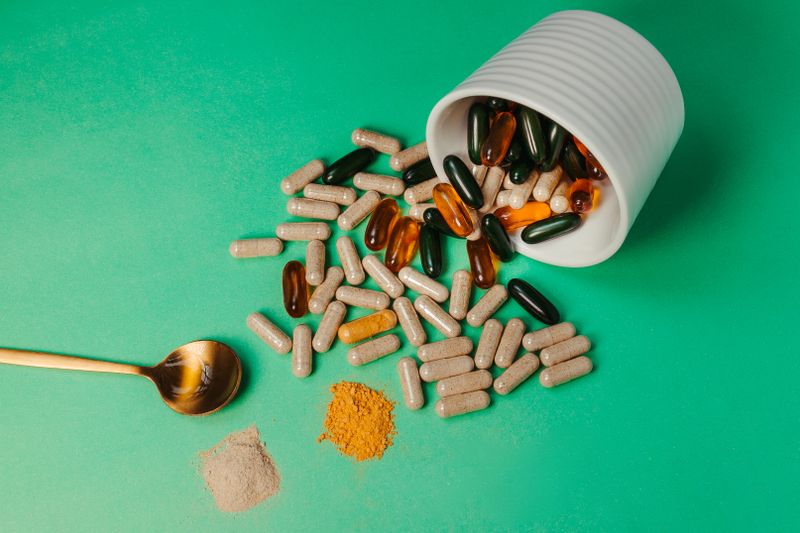
If you have ever stood in front of your supplement collection wondering whether to take everything first thing in the morning or spread doses throughout the day, you are asking exactly the right question. In fertility nutrition research, we often focus heavily on which supplements to take while giving far less attention to when and how to take them. Yet timing can meaningfully influence absorption, effectiveness, and even side effects. Here is what the evidence tells us about optimizing your fertility supplement routine.
The Basics of Supplement Absorption
To understand why timing matters, you need to know a bit about how your body processes different types of nutrients. Supplements broadly fall into two categories based on their solubility: fat-soluble and water-soluble. This distinction drives most of the timing recommendations that follow.
Fat-soluble nutrients — including vitamins A, D, E, and K, as well as CoQ10 and omega-3 fatty acids — require dietary fat for optimal absorption. Taking these on an empty stomach can reduce absorption by 50 percent or more. For fertility supplements in particular, CoQ10 absorption has been shown in multiple studies to increase significantly when taken with a meal containing healthy fats like avocado, olive oil, or nuts.
Water-soluble nutrients — including B vitamins, vitamin C, and folate — are absorbed through the intestinal wall and do not require fat for transport. They can generally be taken at any time, though taking them with food reduces the likelihood of nausea, which is a common side effect of B vitamins on an empty stomach. Our fertility herbs guide covers additional timing considerations for herbal supplements.
The American Society for Reproductive Medicine emphasizes that while supplements can support fertility, they work best as part of a comprehensive approach that includes proper nutrition, appropriate medical care, and healthy lifestyle habits.
Morning, Afternoon, or Evening: When to Take What
Creating a sustainable supplement routine means fitting it into your daily life in a way you can maintain consistently. Consistency is more important than perfection — taking your supplements reliably at roughly the same time each day matters more than hitting the exact optimal window.
That said, here is how to structure your timing for maximum benefit:
Morning with Breakfast
Your morning meal is the ideal time for several key fertility supplements. Prenatal vitamins are best taken in the morning with food because the iron they contain can cause nausea on an empty stomach, and taking them earlier in the day reduces the chance of acid reflux at night. Vitamin D is best taken in the morning because some research suggests it may interfere with melatonin production and sleep quality when taken in the evening. B vitamins provide cellular energy, and taking them in the morning takes advantage of this effect rather than potentially disrupting sleep.
A targeted daily supplement like Her Daily Formula can help ensure consistent intake of the most critical fertility nutrients including Folate, CoQ10, and Vitamin D.
With Your Largest Meal
CoQ10 should be taken with your largest or fattiest meal of the day for optimal absorption. For many people, this is dinner. If you learn more about this nutrient through our CoQ10 fertility guide, you will see that absorption can vary by as much as three-fold depending on whether it is taken with or without fat. Omega-3 fatty acids follow the same principle and are best absorbed with a fat-containing meal.
Spread Throughout the Day
Some nutrients are better absorbed in smaller, divided doses rather than one large dose. Vitamin C absorption efficiency drops significantly at doses above 500 milligrams at one time — your body can only transport so much through the intestinal wall at once. If your target intake is 1000 milligrams, splitting it into two 500-milligram doses taken several hours apart will result in higher overall absorption.
Calcium and iron should never be taken at the same time because calcium inhibits iron absorption. If your supplement regimen includes both, take them at different meals separated by at least two hours.
Timing Supplements Around Your Cycle
Beyond daily timing, some evidence suggests that certain supplements may be particularly beneficial at specific phases of your menstrual cycle, though this is an area where the research is still evolving.
- Follicular phase (days 1-14): This is when eggs are developing, so antioxidants like CoQ10, vitamin E, and alpha-lipoic acid that support egg quality are particularly important during this phase
- Around ovulation (days 12-16): Adequate vitamin D and omega-3 levels support the inflammatory processes involved in ovulation and early implantation
- Luteal phase (days 15-28): Progesterone support nutrients like vitamin B6 and vitamin C may be beneficial during this phase when progesterone levels need to remain elevated to support a potential pregnancy
- Throughout the cycle: Folate, prenatal vitamins, and foundational nutrients should be taken consistently every day regardless of cycle phase
The Centers for Disease Control and Prevention recommends that all women of reproductive age take at least 400 micrograms of folic acid daily, regardless of whether they are actively trying to conceive.
Supplement Interactions to Be Aware Of
Timing is not just about absorption — it is also about avoiding negative interactions between supplements or between supplements and medications. Several common interactions are relevant to fertility supplementation:
- Iron and calcium compete for absorption and should be taken at separate meals
- Iron and zinc also compete when taken in high doses, so separate them by at least two hours
- Thyroid medication should be taken 30 to 60 minutes before any supplements, as many nutrients including iron, calcium, and soy-based supplements can interfere with thyroid hormone absorption
- Folate and methotrexate interact, so if you are taking any fertility medications, discuss supplement timing with your prescribing physician
- High-dose vitamin E may interact with blood-thinning medications and should be discussed with your provider
If you are using products like His Fertility Boost or comprehensive fertility supplement blends, check whether the product label provides specific timing guidance. Well-formulated products will account for ingredient interactions in their design, but additional standalone supplements may still need to be timed separately.
Building a Sustainable Routine
The best supplement timing plan is one you will actually follow. If a complex schedule with multiple doses at different times feels overwhelming, simplify. Taking everything with breakfast is better than an elaborate schedule that you abandon after two weeks. Start with the most impactful timing adjustments — taking fat-soluble supplements with food and separating iron from calcium — and add complexity only if it feels manageable.
Setting phone reminders, using a pill organizer, and anchoring supplement habits to existing routines like meals are practical strategies that help maintain consistency. Some women find it helpful to prepare a weekly supplement organizer every Sunday, pre-sorting their daily doses into compartments so that the daily decision-making is eliminated.
If you are also exploring the role of myo-inositol in fertility, note that this supplement is typically recommended to be taken in divided doses, often twice daily, and can be taken with or without food. Adding it to your morning and evening routine is the most common approach.
Ultimately, fertility supplementation is a marathon, not a sprint. Most supplements need at least two to three months of consistent use to influence egg or sperm quality because that is the timeline for gamete development. Get your timing right, stay consistent, and give your body the time it needs to respond. The investment you are making in your fertility nutrition today is laying the groundwork for a healthier conception journey ahead.
For men looking to optimize their contribution, His Daily Formula provides Zinc, L-Carnitine, and CoQ10 in clinically studied doses to support sperm health.

Ready to Start Your Journey?
Take our 30-second quiz to find the insemination kit designed for your specific situation.
Find Your Kit