Preparing Your Home for Solo Parenthood
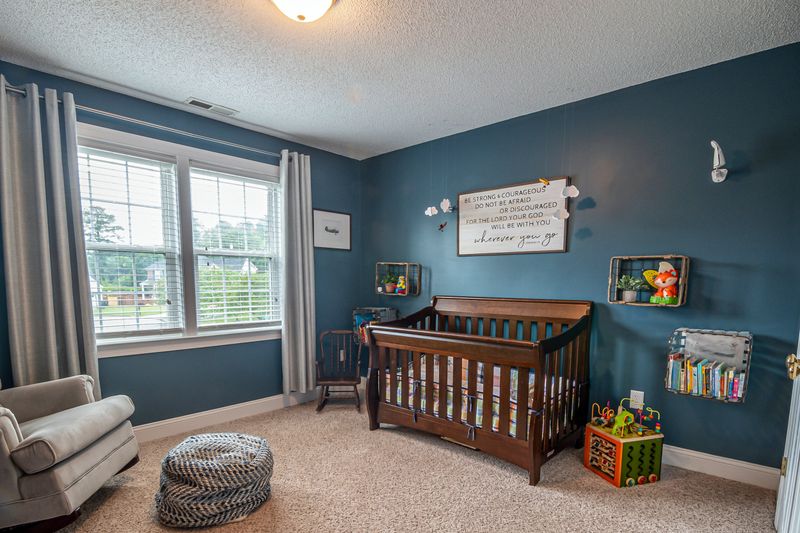
There is something magical and slightly surreal about preparing a nursery when it is just you. No partner to debate paint colors with, no one else's opinions about the crib style, no compromising on the rocking chair versus the glider. It is all yours — every choice, every color, every detail. And while that can feel liberating, it can also feel overwhelming. When everything falls on your shoulders, how do you know what actually matters, what is just marketing, and what you can skip entirely? As someone who did this solo and lived to tell about it, let me help you separate the essentials from the extras.
The True Essentials: What Your Baby Actually Needs
Baby product marketing wants you to believe that you need approximately 47 different specialized items before your baby arrives. You do not. Newborns need remarkably few things, and as a single parent, focusing on the genuine essentials saves you money, space, and stress.
A safe place to sleep is non-negotiable. A crib, bassinet, or play yard with a firm, flat mattress and a fitted sheet is all your baby needs for sleep. No pillows, blankets, bumpers, or stuffed animals in the sleep space. The Centers for Disease Control and Prevention and the American Academy of Pediatrics provide clear safe sleep guidelines that should inform your nursery setup.
A place to change diapers does not need to be a dedicated changing table. A changing pad on top of a dresser gives you dual functionality and saves space. Some solo moms skip the changing table entirely and use a portable changing pad on the bed or floor.
Feeding supplies depend on whether you plan to breastfeed, formula feed, or do both. If breastfeeding, you will want a nursing pillow and a comfortable chair. If formula feeding, you need bottles, formula, and bottle-cleaning supplies. Either way, having these ready before your due date reduces postpartum scrambling.
Clothing and swaddles — newborns go through a lot of outfits. Stock up on onesies, sleep sacks, and a handful of swaddles. Do not overbuy newborn sizes since babies grow quickly. The 0 to 3 month size will get more use.
What You Can Safely Skip or Delay
- Wipe warmers — unnecessary and one more thing to maintain
- Shoes — babies do not need shoes until they are walking
- A full nursery furniture set — a crib and a dresser are sufficient to start
- Every baby gadget on the registry checklist — wait to see what your baby actually needs
- A professional nursery design — your baby does not care about the aesthetic
Setting Up Your Home for Solo Parenting Efficiency
When you are the only adult in the house, the layout and organization of your home can make or break your daily experience as a new parent. Thoughtful setup before the baby arrives pays dividends for months afterward.
Create stations. A feeding station in the living room with water, snacks, a phone charger, and a nursing pillow means you do not have to get up and walk to the kitchen during middle-of-the-day feedings. A diaper station on each floor of your home, if applicable, saves trips up and down stairs. A nightstand station next to your bed with burp cloths, pacifiers, and a night light keeps everything within reach during nighttime feeds.
Optimize for one-handed operation. When you are the only pair of hands, you will frequently be holding the baby in one arm while doing something with the other. A baby carrier or wrap is arguably the most useful item for a solo parent — it keeps the baby close and content while freeing both your hands. Practice using it before the baby arrives so you are comfortable with it.
Our guides on creating your birth plan as a single mother and comprehensive single mom by choice planning complement nursery preparation with broader planning for solo parenthood. And connecting with other single moms through resources like our article on telling your family about your decision can provide emotional support during this preparation phase.
Budgeting for the Nursery
A nursery does not have to cost thousands of dollars. Some of the smartest solo moms I know furnished their nurseries for under $500 by combining smart shopping strategies with the understanding that babies need safety and comfort, not luxury.
Buy secondhand whenever safe to do so. Dressers, rocking chairs, storage bins, clothing, and books are all perfectly fine to purchase used. Cribs should be purchased new or from a trusted source and verified against current safety standards, as older cribs may have been recalled or may not meet current drop-side and slat-spacing requirements.
Accept hand-me-downs graciously. Friends, family, and coworkers often have mountains of baby items they are eager to pass along. A simple social media post announcing your pregnancy can generate more free baby gear than you know what to do with.
According to the American College of Obstetricians and Gynecologists, preparing for a new baby includes both physical and financial readiness, and smart budgeting during the nursery phase sets the tone for the financial discipline that solo parenting requires.
The BabyMaker community forums are filled with practical nursery tips from other solo moms, including brand recommendations, must-have versus skip lists, and creative space-saving solutions for small apartments.
Preparing Emotionally
Setting up a nursery as a single woman is not just a logistical exercise — it is an emotional milestone. Each onesie you fold, each shelf you organize, each decision you make is an act of preparation for the most significant role of your life. It can bring up complicated feelings: excitement mixed with anxiety, pride mixed with loneliness, joy mixed with grief for the partnership you may have imagined would accompany this moment.
All of those feelings are valid and normal. If setting up the nursery triggers moments of sadness or doubt, allow yourself to feel them without judgment. Then fold the next onesie. Hang the next piece of art. Step back and look at the room you have created — a room that exists because of your courage, your planning, and your love for a person you have not yet met.
- Start nursery preparation in the second trimester when energy is typically highest
- Focus on essentials first and add nice-to-haves only as budget allows
- Invite a friend to help with furniture assembly and setup — it is more fun and more efficient
- Take photos of the finished space — you will treasure these later
- Leave room for imperfection — your baby needs you, not a Pinterest-perfect room
Your nursery, however simple or elaborate, is the first physical space you are creating for your child. It does not need to be perfect. It needs to be safe, functional, and filled with the intention you bring to everything else on this journey. Trust your instincts, spend wisely, and remember that the most important thing in that room will not be the furniture or the decor — it will be you.



Ready to Start Your Journey?
Take our 30-second quiz to find the insemination kit designed for your specific situation.
Find Your Kit