Creating a Birth Plan as a Single Mother
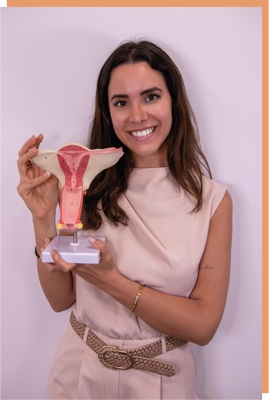

Creating a birth plan as a single mother by choice involves everything a typical birth plan covers — plus a few extra considerations that are unique to doing this alone. And by "alone," I do not mean literally alone in the delivery room (please do not do that if you can help it). I mean planning for labor, delivery, and the immediate postpartum period without a default partner to serve as your advocate, decision-maker, and support person. With the right preparation, your birth experience can be just as supported, empowering, and safe as anyone else's.
Choosing Your Birth Support Person
The first and arguably most important decision in your birth plan is who will be with you during labor and delivery. This person will serve as your advocate if you are unable to communicate your preferences, your emotional support during the hardest moments, and your practical helper in the first hours of your baby's life.
Your birth support person does not need to be a romantic partner. Many single mothers by choice choose a parent, sibling, close friend, or doula to fill this role. The ideal person is someone you trust completely, who can remain calm under pressure, who respects your birth preferences without imposing their own agenda, and who is reliably available around your due date.
Consider designating a backup support person as well. Due dates are estimates, and labor can begin weeks early or late. Having a secondary person who is prepared and willing to step in if your primary support person is unavailable provides peace of mind. Both people should review your birth plan in advance and understand your preferences regarding pain management, interventions, and emergency scenarios.
Hiring a doula is worth serious consideration for solo births. Doulas provide continuous labor support, evidence-based information during decision points, physical comfort techniques, and emotional reassurance. Research consistently shows that doula-supported births result in shorter labors, fewer interventions, and higher satisfaction. For a solo parent, a doula also provides the continuity of care that might otherwise come from a partner who has been present throughout the pregnancy. The World Health Organization supports continuous companionship during labor as a key component of positive birth experiences.
Essential Elements of Your Birth Plan
A birth plan is a communication tool that helps your care team understand your preferences. It should be concise — typically one page — and flexible enough to accommodate the unpredictable nature of labor. Here are the key areas to address:
Pain Management Preferences
Be clear about your preferences while remaining open to changing your mind during labor. You might write something like: "I prefer to try natural pain management techniques first, including movement, breathing, and hydrotherapy. I am open to an epidural if I request one. Please do not offer pain medication unless I ask for it." Or: "I would like an epidural as soon as it is medically appropriate."
Labor and Delivery Preferences
- Mobility during labor — do you want freedom to walk, use the shower or tub, change positions?
- Monitoring preferences — intermittent monitoring allows more mobility than continuous monitoring
- Environment preferences — dim lighting, music, aromatherapy, minimal visitors
- Intervention preferences — your feelings about induction, augmentation, assisted delivery, and cesarean section
- Cord clamping — delayed cord clamping is now recommended by most obstetric organizations
- Immediate skin-to-skin contact after delivery
Solo Parent-Specific Considerations
As a single mother, your birth plan should also address who has medical decision-making authority if you are unable to communicate, whether your support person should cut the umbilical cord, your preferences for the baby's first moments if you are unavailable due to complications, and who should be contacted after the birth. Having a healthcare proxy or medical power of attorney document in place is especially important for solo parents.
Preparing for the Hospital Stay
The postpartum hospital stay as a solo parent has unique logistical considerations. Pack your hospital bag with the understanding that you may not have someone running home to grab forgotten items.
Essentials include comfortable going-home clothes for you and the baby, chargers for your phone and any other devices, snacks for after delivery when the cafeteria may be closed, toiletries and comfort items, a going-home outfit for the baby including a car seat that you have practiced installing, and any important documents including your birth plan, insurance information, and identification.
During the hospital stay, do not hesitate to ask nurses for help. That is what they are there for, and solo parents should feel especially comfortable requesting assistance with feeding, swaddling, and basic newborn care. Most hospitals offer lactation consultants who can help establish breastfeeding before you go home.
For continued planning beyond the birth, our guide on postpartum planning as a solo parent covers what comes after you leave the hospital. And our financial planning guide for single mothers addresses the budgeting aspects of maternity care and leave. The National Institutes of Health provides comprehensive resources on maternal and infant health.
Communicating Your Plan
Share your birth plan with your OB-GYN or midwife during a prenatal appointment, not for the first time when you arrive in labor. This gives you the opportunity to discuss your preferences, identify anything that may need modification based on your specific medical situation, and ensure your provider is aligned with your approach.
Bring multiple copies to the hospital — one for your chart, one for your labor nurse, and one for your support person. Communicate clearly that you are a solo parent and that your designated support person has your authority to advocate on your behalf. This is important context that helps your care team understand your situation and provide appropriate support.
Prepare yourself for the possibility that your birth may not go according to plan. Complications happen, plans change, and flexibility is a form of strength. Your birth plan is a guide, not a contract. The most important outcome is a healthy you and a healthy baby, and how you get there may look different from what you imagined. Products like the BabyMaker community resources include birth story collections from other solo moms that can help you prepare emotionally for the range of experiences that labor and delivery can bring.
Creating a birth plan as a single mother by choice is an act of agency and preparation. You are ensuring that your voice is heard, your preferences are documented, and your support system is in place for one of the most significant moments of your life. You have planned and prepared for every step of this journey — your birth plan is simply the next chapter in that story of intentional, empowered motherhood.



Ready to Start Your Journey?
Take our 30-second quiz to find the insemination kit designed for your specific situation.
Find Your Kit