Your Month-by-Month Baby Planning Guide: From Prep to Pregnancy
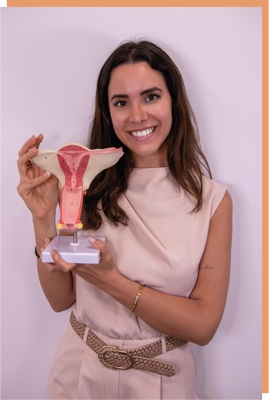

Deciding to try for a baby is one of the most exciting decisions you will ever make. It is also one that benefits enormously from preparation. The women who have the smoothest conception journeys are not necessarily the luckiest. They are the ones who spent a few months before their first attempt getting their bodies, their homes, and their plans ready. This month-by-month guide gives you a clear, actionable roadmap from initial preparation through active trying, so you can approach each phase with confidence instead of guesswork.
Month 1: The Foundation
The first month is about establishing your baseline and making the changes that need the longest lead time to take effect. Think of this as laying the groundwork that everything else will build on.
Start a prenatal vitamin. If you are not already taking one, begin now. The most critical nutrient is folate, with a minimum of 400 mcg daily, though many experts recommend 800 mcg. Folate is essential for neural tube development and is most effective when your levels are established before conception. Our prenatal vitamins guide covers what to look for and which forms of folate are most bioavailable.
A targeted daily supplement like Her Daily Formula can help ensure consistent intake of the most critical fertility nutrients including Folate, CoQ10, and Vitamin D.
Schedule a preconception checkup. Your doctor can review your medical history, check your vaccinations (rubella and varicella immunity are especially important), screen for conditions like thyroid disorders or anemia, and discuss any medications that may need to be changed before pregnancy. The American College of Obstetricians and Gynecologists (ACOG) recommends this visit for all women planning to conceive.
Begin tracking your cycle. Even if you have been on hormonal birth control and do not yet have a regular cycle, start recording whatever data you can. When you stop birth control, having a baseline will help you identify patterns faster. If you are already cycling naturally, begin charting your period start dates, cycle length, and any symptoms you notice.
Evaluate your partner's health. Male factor issues account for roughly half of all fertility challenges, yet they are often the last thing couples investigate. A baseline semen analysis is inexpensive, non-invasive, and can reveal issues months before they would otherwise become apparent.
Month 2: Optimize Your Body
With the foundation in place, month two is about fine-tuning the factors that directly influence egg quality, sperm quality, and overall reproductive readiness.
Dial in your nutrition. The research on diet and fertility is remarkably consistent. A Mediterranean-style eating pattern rich in vegetables, fruits, whole grains, lean proteins, healthy fats, and legumes is associated with better fertility outcomes for both women and men. Reduce processed foods, excess sugar, and trans fats. Increase your intake of leafy greens, berries, nuts, fatty fish, and olive oil. Our guide on what to eat when trying to conceive provides a detailed, practical framework.
Establish an exercise routine. Moderate, consistent exercise supports hormonal balance, healthy weight maintenance, stress management, and circulation to reproductive organs. Aim for 30 minutes of moderate activity most days. Avoid sudden extremes in either direction. Starting an intense new exercise program or being completely sedentary are both associated with longer time to conception.
Reduce toxin exposure. Switch to fragrance-free personal care products, avoid heating food in plastic containers, choose organic produce where possible, and filter your drinking water. These changes reduce your exposure to endocrine-disrupting chemicals that can affect both egg and sperm quality.
Cut back on alcohol and caffeine. The CDC's reproductive health guidelines recommend eliminating alcohol entirely when trying to conceive, as there is no known safe level during pregnancy. Caffeine should be limited to 200 mg per day, roughly one 12-ounce cup of coffee.
Month 3: Learn Your Fertile Window
By month three, you should have at least one or two natural cycles tracked, and you can begin identifying your fertile window with greater precision. This is the knowledge that will make or break your timing when you start actively trying.
Add ovulation predictor kits (OPKs). These inexpensive urine tests detect the luteinizing hormone (LH) surge that occurs 24-36 hours before ovulation. Using them daily starting around cycle day 10 will help you pinpoint your most fertile days. Our guide on ovulation tracking for insemination walks through exactly how to use them and interpret results.
Track basal body temperature (BBT). Your resting temperature rises slightly after ovulation, which confirms that ovulation occurred. While BBT tracking tells you about ovulation after the fact rather than predicting it in advance, the data over multiple cycles helps you identify your personal pattern and predict future ovulation timing more accurately.
Monitor cervical mucus. The quantity and consistency of cervical mucus changes throughout your cycle, with the most fertile mucus appearing as clear, stretchy, egg-white-like discharge in the days leading up to ovulation. Learning to recognize this signal gives you another real-time indicator of peak fertility.
Choose your method and tools. Whether you are conceiving through intercourse or at-home insemination, having your approach and tools ready before your first active cycle eliminates last-minute scrambling. If you are using at-home insemination, select your kit now. The best at-home insemination kit comparison helps you choose based on your specific situation. The BabyMaker is ideal for women who want comfort and ease of use, while the Impregnator provides cervical contact for maximum effectiveness.
Months 4-6: Active Trying
This is where preparation meets action. You have your supplements on board, your body optimized, your fertile window identified, and your tools ready. Now you execute.
Time your attempts precisely. The fertile window is approximately 5 days before ovulation through the day of ovulation itself. The highest probability days are the two days before ovulation and the day of ovulation. Aim for attempts every 24-48 hours during this window rather than trying to pinpoint a single perfect day.
Maintain consistency. Do not abandon your supplement routine, exercise habit, or nutritional approach during active trying. These factors continue to support both egg and sperm quality throughout your conception journey. Consistency compounds over time.
Manage stress proactively. The trying-to-conceive phase can be emotionally intense, especially as months pass. Build stress management practices into your routine before the stress arrives. Meditation, gentle yoga, time in nature, journaling, and maintaining social connections all help. Chronic elevated cortisol can disrupt ovulation, so stress management is not just about emotional well-being. It is a fertility strategy.
Track but do not obsess. Record your data each cycle so you can share it with a doctor if needed, but resist the urge to over-analyze every symptom. Not every twinge is implantation, and not every negative test means something is wrong. Trust the process and give yourself grace.
Months 7-9: Assess and Adjust
If you have not conceived after six well-timed cycles, it does not necessarily mean there is a problem. Remember, approximately 10-20% of healthy couples who do not conceive in the first six months will conceive in months 7-12 without any intervention. However, this is a reasonable point to take stock.
Review your tracking data. Look at your cycle lengths, ovulation timing, and luteal phase length. Inconsistencies or short luteal phases (less than 10 days) are worth discussing with a healthcare provider.
Consider additional testing. If your partner has not had a semen analysis, now is the time. For women, a day-3 hormone panel (FSH, LH, estradiol, AMH) can provide insight into ovarian reserve. Thyroid function testing is also worthwhile if it has not been done recently.
Adjust your approach. If you have been timing intercourse, consider trying at-home insemination to ensure sperm is placed optimally. If you have been using a basic syringe, upgrading to a purpose-built kit may help. Our guide on what to do when at-home insemination is not working covers specific adjustments that can improve your odds.
Month 10-12: Seek Expert Support
After 12 months of trying if you are under 35 or 6 months if you are 35 or older, a fertility evaluation is the recommended next step. This is not a failure. It is the appropriate use of medical resources to identify anything that may be preventing conception and address it efficiently. The Mayo Clinic's fertility resources provide a clear overview of what an initial evaluation involves.
A reproductive endocrinologist can order comprehensive testing for both partners, identify issues like blocked fallopian tubes, endometriosis, ovulatory disorders, or male factor problems, and recommend targeted treatments ranging from oral medications to IUI to IVF depending on the diagnosis. For a complete look at supplements that support the conception process throughout, see our guide to the best fertility supplements when TTC.
The Most Important Thing
Planning is powerful, but the single most important thing you can do is start. Preparation is valuable, but waiting for conditions to be perfect is the enemy of progress. If you have completed even a few of the steps above, you are more prepared than most couples who conceive without any planning at all. Trust your body, trust the process, and take the first step when you are ready, not when everything is flawless.
Frequently Asked Questions
How long does it take the average couple to conceive?
For healthy couples under 35 with no known fertility issues, approximately 80% will conceive within 6 months of well-timed attempts, and about 90% within 12 months. However, these are averages, and individual timelines vary widely. Age is the single biggest factor, with women over 35 typically needing longer. Other variables include cycle regularity, sperm quality, overall health, and whether you are timing intercourse or insemination accurately with ovulation.
What should I do in the first month of TTC?
In your first month of actively trying, focus on three things: start tracking your cycle to identify your fertile window using ovulation predictor kits, basal body temperature, or cervical mucus monitoring. Begin taking a prenatal vitamin with at least 400 mcg of folate if you have not already. And schedule a preconception checkup with your doctor to review your health, medications, and any conditions that could affect pregnancy. Beyond that, reduce alcohol and caffeine, confirm your vaccinations are up to date, and begin eating a nutrient-dense fertility-supporting diet.
When should I see a fertility specialist?
The general guideline is to see a fertility specialist after 12 months of well-timed, unprotected attempts if you are under 35, or after 6 months if you are 35 or older. However, you should seek evaluation sooner if you have irregular or absent periods, a history of pelvic inflammatory disease, endometriosis, PCOS, previous cancer treatment, or if your partner has known sperm issues. There is no harm in getting a baseline evaluation before you start trying, and many women find it empowering to have that information upfront.
What month is best to conceive?
From a purely medical standpoint, there is no single best month to conceive. Your body is capable of conception in any month that you ovulate. However, some women prefer to plan their due date around work schedules, weather, or family considerations. Conceiving in autumn gives a summer due date, while conceiving in spring gives a winter due date. Ultimately, the best month to conceive is the one in which you are physically, emotionally, and financially ready. Waiting for a perfect calendar window is less important than starting when you feel prepared.



Ready to Start Your Journey?
Take our 30-second quiz to find the insemination kit designed for your specific situation.
Find Your Kit