What to Buy in an At-Home Insemination Kit: Full 2026 Checklist

When you start researching at-home insemination, the product landscape can feel overwhelming. There are kits, syringes, ovulation tests, supplements, lubricants, and a range of products that may or may not be appropriate — and the stakes feel high enough that you want to get it right. This guide cuts through the noise with a complete, practical checklist of everything you need for at-home insemination, what a quality kit like MakeAMom already includes, what you need to source separately, and what to avoid spending money on.
For comprehensive support, the BabyMaker Boost Bundle pairs the insemination kit with Her Daily fertility supplements for complete conception support.
The Full At-Home Insemination Checklist
Here is everything you need, organized by category and priority:
Essential — Insemination Equipment
- Purpose-built insemination applicator/syringe — Made from medical-grade silicone or internal-use-rated BPA-free plastic. Needleless. Sized for your sample type. This is the single most important item to get right. Do not substitute a pharmacy oral syringe.
- Sterile sample collection cup — For collecting a fresh sperm sample before drawing it into the syringe. Should be non-toxic and non-spermicidal. Standard sterile specimen cups from a pharmacy work. If using frozen donor sperm, you can draw directly from the thawed vial into the syringe.
- Soft cervical cup (optional but recommended) — Holds sperm near the cervical opening after deposit, reducing leakage and extending the sperm-cervix contact window. The MakeAMom Impregnator kit includes one. Particularly valuable for low-motility situations.
Essential — Ovulation Tracking
- LH ovulation predictor kit (OPK) test strips — The most important tool for timing your insemination. Begin testing around cycle day 10 each day until you get a positive result. Basic LH strips are inexpensive (30–50 strips for under $20 online). A positive OPK means insemination should happen within 12 to 24 hours.
- Basal body temperature (BBT) thermometer — Optional but useful for understanding your cycle pattern over time. A standard BBT thermometer reads to two decimal places (e.g., 98.42°F). Note that BBT confirms ovulation after the fact — it does not reliably predict it in advance.
Essential — Supplementation
- Prenatal vitamins with folate or methylfolate — Start at least three months before your first attempt. Folate is critical for early fetal neural tube development. Some people absorb methylfolate more efficiently than folic acid — check with your healthcare provider about which form is right for you.
Helpful — Supporting Items
- Fertility-safe lubricant (if needed) — Standard lubricants, coconut oil, saliva, and most personal lubricants are harmful to sperm motility. If you need lubrication during insertion, use only lubricants explicitly rated as sperm-compatible. Pre-Seed is the most widely recommended option. Apply only to the external vaginal opening — not to the syringe tip itself.
- Pillow for hip elevation — A standard pillow placed under your hips during and after the insemination can help the sample rest near the cervix. This costs nothing if you already have one.
- Sterile gloves (optional) — Some people prefer to wear nitrile examination gloves during the procedure for hygiene. Not strictly necessary if you wash your hands thoroughly.
- Cycle tracking app — Apps like Clue, Flo, or Premom (which reads OPK photos) help you track cycle patterns over time. Free options are available. Useful for identifying your typical ovulation day before your first attempt.
Needed Only if Using Frozen Donor Sperm
- Licensed cryobank vials — Always purchase donor sperm from an FDA-registered, licensed sperm bank that performs genetic screening, infectious disease testing, and identity verification. Do not purchase from unverified private donors.
- Liquid nitrogen storage tank (if not provided by the bank) — Many cryobanks ship sperm in a temporary dry shipper that keeps samples frozen for 24 to 48 hours. If you need longer storage, a personal liquid nitrogen tank is required. Confirm your delivery and timing logistics with the bank before ordering.
- CryoBaby-specific syringe — Standard-volume insemination syringes are not calibrated for the 0.5 to 1 mL volumes of frozen vials. The MakeAMom CryoBaby kit's narrow-bore syringe is specifically engineered for low-volume frozen samples.
What MakeAMom Includes in Each Kit
MakeAMom offers three condition-specific kits. Here is exactly what each one includes:
CryoBaby Kit ($79)
- Narrow-bore insemination syringe calibrated for 0.5–1 mL frozen donor sperm volumes
- Sterile sample collection components
- Step-by-step insemination instructions
- Reusable — unlimited cycles with proper cleaning
Best for: Single women and LGBTQ+ couples using donor sperm from a licensed cryobank, or any situation involving small-volume or cryopreserved samples.
Impregnator Kit ($79)
- Standard-volume insemination syringe
- Soft silicone cervical cup for extended post-deposit sperm retention
- Sample collection components
- Step-by-step insemination instructions
- Reusable — unlimited cycles with proper cleaning
Best for: Couples where male-factor low sperm motility has been identified or suspected. The cervical cup's extended contact time compensates for reduced swimming ability.
BabyMaker Kit ($79)
- Ultra-soft, flexible-tip insemination applicator designed for minimal insertion discomfort
- Sample collection components
- Step-by-step insemination instructions
- Reusable — unlimited cycles with proper cleaning
Best for: People with vaginismus, vulvodynia, pelvic floor dysfunction, or anyone who finds standard-tip applicators uncomfortable or painful.
Not sure which kit matches your situation? Take the 30-second quiz for a personalized recommendation.
What to Source Separately
No at-home insemination kit — including MakeAMom's — includes everything you need for a complete fertility attempt. Here is what you will need to purchase or arrange independently:
- Ovulation predictor kit (OPK) strips — Essential for timing. Available at pharmacies and online. Basic LH strips are inexpensive; digital versions provide clearer readings.
- Prenatal vitamins — Not included in insemination kits. Start taking these at least three months before your first attempt.
- Sperm source — Either a fresh sample from a partner or known donor, or cryopreserved vials from a licensed sperm bank. This is entirely separate from the kit itself.
- Fertility-safe lubricant (if needed) — Pre-Seed or another sperm-compatible lubricant if lubrication is desired during insertion. Do not use standard lubricants.
- BBT thermometer (optional) — For additional cycle tracking information over time.
What to Avoid Buying for At-Home Insemination
The insemination product market includes some genuinely poor-fit products. Knowing what to avoid saves money and protects your chances of success.
Pharmacy Oral Syringes
Standard oral or irrigation syringes from pharmacies (including those labeled "medicine syringes" or "feeding syringes") are not designed for internal reproductive use. They are manufactured to oral-use material standards, have rigid tips designed for the mouth rather than for vaginal insertion, and their volume calibrations are often wrong for insemination use. A 5 mL oral syringe technically works to move fluid, but it was not designed, tested, or validated for this application. For a casual attempt, the practical risk is low. For a serious fertility journey, start with the right tool.
Amazon Generic "Insemination Syringes"
A search for "insemination syringe" on general e-commerce platforms surfaces dozens of products at very low price points. Most of these are repackaged oral syringes or irrigation syringes with no fertility-specific design, no medical-grade material certifications for internal use, and no clinical validation. Price point alone does not indicate safety or fitness for purpose. If a product does not explicitly state the material grade, the internal-use safety certification, and the intended use case, treat it with skepticism.
Toy or Novelty Products
Some products marketed as "insemination kits" in novelty, joke, or adult novelty contexts are not medical devices in any sense. They are not subject to material safety testing, are not designed for reproductive use, and should be avoided entirely.
Standard Lubricants
This is a common and costly mistake. Most personal lubricants — including popular brands — are harmful to sperm motility. Studies have shown that standard water-based lubricants can reduce sperm motility by 60 to 100 percent within 30 minutes of exposure. Even lubricants labeled "natural" or "organic" are not necessarily sperm-safe. Only use lubricants explicitly tested and marketed as fertility-compatible (Pre-Seed, Conceive Plus, and a few others). If you do not need lubrication, do not use any.
Products Claiming FDA Clearance Without Evidence
A handful of at-home insemination products have genuine FDA clearance (Mosie Baby and PherDal are examples). Most do not. MakeAMom is transparent that its products are not FDA-cleared medical devices — they are consumer wellness products made from medical-grade materials. Be cautious of products making vague FDA-related claims without linking to a specific FDA 510(k) clearance or listing number. The FDA maintains a public searchable database where you can verify any claimed clearance.
Comparison: MakeAMom Kit vs. DIY Assembly
| Item | MakeAMom Kit | DIY Assembly |
|---|---|---|
| Insemination syringe/applicator | Included — medical-grade, condition-specific design | Must source separately; risk of using unsuitable product |
| Collection cup | Included | Must purchase sterile specimen cups separately |
| Cervical retention cup | Included with Impregnator kit | Hard to source separately in appropriate material/design |
| Instructions calibrated for ICI | Included — step-by-step, fertility-specific | Must rely on online research; variable quality |
| Reusable | Yes — unlimited cycles | Depends on what you source |
| Condition-specific design | Yes — three kits for three situations | No — generic products only |
| OPK test strips | Not included — source separately | Must source separately |
| Prenatal vitamins | Not included — source separately | Must source separately |
| Total kit cost | $79 (one-time, reusable) | $20–$60+ per cycle, often without condition-specific design |
Frequently Asked Questions
What is the minimum I need to buy for at-home insemination?
At a minimum: a purpose-built insemination syringe or applicator in medical-grade material, a sterile collection cup (for fresh samples), and ovulation predictor kit (OPK) strips for timing. A complete kit like MakeAMom's bundles the insemination components. You source ovulation tests, prenatal vitamins, and sperm separately. For a complete walk-through of what each component does, see our complete at-home insemination kit guide.
Do I need to buy ovulation tests separately?
Yes. MakeAMom's kits include the insemination applicator and related components but not OPK test strips. You will need to purchase LH strips separately — they are inexpensive and widely available at pharmacies and online. For best results, begin tracking at least one full cycle before your first insemination attempt so you know your typical ovulation day.
Can I use Amazon syringes for home insemination?
Most syringes sold as general-purpose products on Amazon are not rated for vaginal insertion, are not calibrated for insemination volumes, and lack condition-specific design features. For casual, informal use, the practical risks are relatively low. For a serious fertility journey, purpose-built insemination kits from established fertility brands — with transparent materials disclosures and ICI-specific design — are strongly preferred. The cost difference between an unsuitable syringe and a purpose-built kit is modest relative to the total cost of a fertility journey.
What should I avoid buying for at-home insemination?
Avoid standard pharmacy oral syringes (not rated for internal use), generic Amazon "insemination syringes" without materials certifications, novelty products, standard lubricants (which harm sperm — use only fertility-safe options like Pre-Seed), and any product making vague FDA claims without a verifiable clearance number. For a detailed breakdown of syringe selection, see our home insemination syringe guide.
Is a reusable or disposable kit better?
For anyone planning more than two cycles, a reusable kit is more cost-effective. MakeAMom's $79 reusable kit covers unlimited cycles. Disposable kits like MosieBaby run $110 for two uses — over six cycles, that is $330 versus $79. Disposable kits require no cleaning between uses, which is a minor convenience, but the cost differential is substantial over multiple attempts. For a full comparison, see our best insemination kit buyer's guide.



Medically Relevant
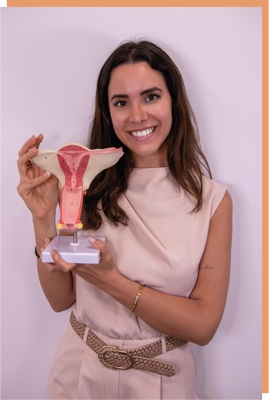
Dra. Gloria Rivero, MD, Women's Health Physician & Educator, endorses MakeAMom's approach to at-home insemination. View profile →
Ready to Get Everything You Need in One Kit?
Take our 30-second quiz and we will match you with the MakeAMom kit built for your specific situation — with everything included to start your first cycle.
Find Your Kit