At-Home Insemination Kit: The Complete 2026 Guide
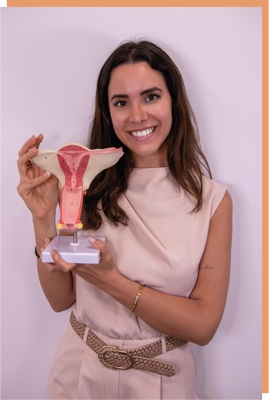

An at-home insemination kit is the most affordable, private, and accessible way to attempt conception outside a clinic. Whether you are a single woman using donor sperm, an LGBTQ+ couple, or a heterosexual couple navigating timing or mild fertility challenges, a quality at-home insemination kit puts the process in your hands — literally — at a fraction of clinical costs.
This guide covers everything you need to know about at-home insemination kits in 2026: what they include, how intracervical insemination (ICI) works, which kit to choose for your specific situation, step-by-step how-to instructions, success rate data, and answers to the most common questions. If you are just beginning to research this option, start here.
What Is an At-Home Insemination Kit?
An at-home insemination kit is a purpose-built set of tools that allows you to perform intracervical insemination (ICI) in the comfort of your own home, without a clinic appointment, a medical professional, or a hospital bill. The core function is simple: the kit provides a safe, body-compatible way to deposit a sperm sample at or near your cervix at the optimal time in your cycle.
The phrase "at-home insemination kit" encompasses a range of products, from basic syringes to sophisticated multi-component systems with condition-specific designs. The key distinction between a quality at-home insemination kit and an improvised solution (like a pharmacy oral syringe) is materials, design intent, and safety. Purpose-built kits use medical-grade materials, are designed specifically for internal reproductive use, and come with instructions calibrated to the actual process of ICI.
At-home insemination kits are sometimes called "turkey baster kits" — a colloquial reference that undersells the precision and safety of modern purpose-built devices. Today's leading kits bear little resemblance to kitchen utensils. They are engineered with specific fertility challenges in mind, made from materials that are safe for vaginal insertion, and designed to maximize the chance that the sperm sample reaches its destination.
For more general context on the insemination process itself, see our complete at-home insemination guide. For an independent comparison of kits across brands, see reviews at intracervicalinsemination.org and intracervicalinseminationkit.info.
For comprehensive support, the BabyMaker Boost Bundle pairs the insemination kit with Her Daily fertility supplements for complete conception support.
How ICI Works
Intracervical insemination (ICI) is the medical term for the process most at-home insemination kits perform. The procedure deposits a sperm sample at or just inside the cervical opening, where sperm can then travel through the cervix, into the uterus, and up through the fallopian tubes to reach the egg.
ICI differs from clinical intrauterine insemination (IUI) in one critical way: IUI requires a clinician to thread a thin catheter past the cervix to deposit washed sperm directly into the uterine cavity. ICI, by contrast, deposits sperm at the cervical opening and relies on sperm's natural ability to swim through the cervical mucus. This is why ICI can be performed at home without medical training, while IUI requires clinical equipment and expertise.
The biology of ICI is the same as natural conception: sperm deposited near the cervix must traverse the cervical mucus, enter the uterus, swim up through the fallopian tubes, and fertilize an egg that is present or recently released. The kit simply replaces intercourse as the delivery mechanism for the sperm sample.
The key clinical advantage of ICI over timed intercourse is precision of placement. A well-designed insemination kit deposits the sample directly at the cervical os (opening), whereas intercourse may deposit sperm in the upper vagina at varying distances from the cervix. For people using frozen donor sperm — where each vial is precious and expensive — that precision matters.
What an At-Home Insemination Kit Includes
The specific contents of an at-home insemination kit vary by brand and model, but a complete kit should include:
- Insemination syringe or applicator. The primary tool for drawing and depositing the sperm sample. Should be made from medical-grade silicone or BPA-free plastic, sized appropriately for the sample volume, and have a tip designed for comfortable vaginal insertion.
- Sample collection cup. A sterile, non-toxic cup for collecting a fresh sperm sample before drawing it into the syringe. For frozen donor sperm, the thawed sample can be drawn directly from its vial.
- Cervical cap or soft cup (optional but valuable). Some kits include a soft silicone cup that holds sperm against the cervix after deposit, preventing leakage and extending the contact time between sperm and cervical mucus. The MakeAMom Impregnator kit includes this feature.
- Step-by-step instructions. Clear, medically-informed instructions covering timing, preparation, the insemination process, and aftercare. Quality kits are explicit about how to time insemination relative to ovulation.
Items you will typically need to source separately:
- Ovulation predictor kits (OPKs). Essential for timing. You need to know when your LH surge occurs to inseminate at the right moment. Start testing around cycle day 10.
- Prenatal vitamins with folate (or methylfolate). Start at least three months before your first attempt.
- Fertility-safe lubricant (if needed). Standard lubricants harm sperm. Pre-Seed is the most widely recommended sperm-compatible lubricant.
- Sperm sample. Either fresh from a partner/known donor, or frozen vials from a licensed cryobank.
Which MakeAMom At-Home Insemination Kit to Choose
MakeAMom is the only brand offering three distinct at-home insemination kits, each engineered for a specific fertility challenge. Here is how to decide which one is right for your situation.
CryoBaby — For Frozen or Low-Volume Donor Sperm
The CryoBaby kit is designed specifically for frozen donor sperm from a sperm bank, or any situation where the available sperm sample volume is small (0.5 to 1 mL). Standard syringes are engineered for larger volumes and can waste a significant portion of a precious frozen vial. The CryoBaby's narrow-channel design accommodates low-volume samples efficiently, ensuring every drop of the sample reaches the intended destination.
CryoBaby is the right choice if you are: a single woman using a licensed cryobank, a same-sex female couple using donor sperm, or anyone working with small-volume or cryopreserved samples.
Impregnator — For Low Sperm Motility
The Impregnator kit addresses one of the most common male-factor fertility challenges: low sperm motility. When sperm cannot swim efficiently, they need more time in contact with the cervical mucus to have a chance at reaching the egg. The Impregnator includes a built-in soft cervical cup that holds sperm against the cervical opening for several hours after insemination. This extended contact time compensates for reduced motility by giving slower-moving sperm a longer window to enter the cervix.
Choose the Impregnator if a semen analysis has shown below-average motility, or if you or your partner suspect low motility based on prior fertility evaluations.
BabyMaker — For Vaginismus or Pelvic Sensitivity
The BabyMaker kit was designed for people who experience pain, discomfort, or anxiety during vaginal insertion — including those with vaginismus, vulvodynia, or general pelvic sensitivity. The BabyMaker uses an ultra-soft, flexible silicone tip that bends with the body rather than resisting it, dramatically reducing the sensation of pressure or intrusion that can make standard applicators uncomfortable or impossible to use.
Choose the BabyMaker if: you have been diagnosed with vaginismus, you experience pain during pelvic exams or intercourse, or you simply find that rigid applicators cause significant discomfort.
All three kits are priced at $79, made from medical-grade materials, fully reusable across unlimited cycles, and come with detailed instructions. Not sure which is right for you? Take our 30-second quiz for a personalized recommendation.
Step-by-Step: How to Use an At-Home Insemination Kit
Step 1: Track Your Ovulation
Timing is the single most important variable in at-home insemination. Use ovulation predictor kits (OPKs) to detect your LH surge — the hormonal spike that signals ovulation is 24 to 36 hours away. Begin testing around cycle day 10 and test at the same time each day, preferably mid-morning. When your OPK turns positive, plan to inseminate within 12 to 24 hours, and again 12 to 24 hours after that.
Step 2: Prepare Everything Before You Begin
Wash your hands thoroughly. Lay out your insemination kit components on a clean surface. If using fresh sperm, have a sterile collection cup ready. If using frozen donor sperm, thaw the vial according to your cryobank's exact instructions — typically by holding it between your hands or letting it rest at room temperature for 10 to 30 minutes. Do not use warm water baths or microwave defrosting unless your bank specifically instructs this.
Step 3: Draw the Sample Into the Syringe
Place the syringe tip into the specimen cup or vial and slowly pull back the plunger to draw in the sample. Pull slowly to avoid creating air bubbles. Once the sample is drawn, hold the syringe tip upward and gently press the plunger forward until a small drop appears at the tip — this expels any remaining air that could displace sperm during deposit.
Step 4: Get Into Position
Lie on your back with your hips flat or slightly elevated on a pillow. Relax your muscles as fully as possible — pelvic tension makes insertion more difficult and can cause discomfort. Take a few slow breaths before you begin.
Step 5: Insert the Applicator
Gently insert the syringe tip into the vaginal canal, aiming toward the back wall and the cervix. Most kits should be inserted two to three inches. You should feel no pain. If you encounter resistance, adjust the angle slightly and pause. Do not force the applicator. The BabyMaker's flexible tip is specifically designed to navigate around discomfort for people with pelvic sensitivity.
Step 6: Deposit the Sample Slowly
Slowly and steadily depress the plunger over three to five seconds to deposit the sample near the cervical os. "Slowly" is important — a fast push can scatter the sample away from the cervical opening rather than depositing it there precisely.
Step 7: Rest for 15 to 30 Minutes
After depositing the sample, remove the applicator gently while staying on your back. Remain lying down with hips elevated for at least 15 minutes — 30 minutes is better. Do not get up immediately. This rest period allows sperm to begin moving through the cervical mucus before gravity works against them.
Step 8: Clean and Store Your Kit
MakeAMom kits are fully reusable. After each use, rinse all components thoroughly with warm water and mild, unscented soap. Rinse completely to remove all soap residue. Allow all parts to air dry fully before storing. Do not use harsh disinfectants, bleach, or boiling water, which can degrade medical-grade silicone.
Step 9: Consider a Second Insemination
For the best results, plan a second insemination 12 to 24 hours after the first. Two inseminations per cycle consistently outperform one in published research. Since MakeAMom kits are reusable and already cleaned, you can simply repeat the process the following day.
At-Home Insemination Kit Success Rates
At-home ICI with a quality kit has a per-cycle success rate of approximately 10 to 15 percent for people under 35 with no significant underlying fertility issues. To put this in context:
- Natural conception via timed intercourse: approximately 20 percent per cycle
- Clinical IUI: approximately 15 to 20 percent per cycle
- At-home ICI: approximately 10 to 15 percent per cycle
The gap between at-home ICI and clinical IUI is smaller than many people expect — and the gap closes further when ovulation timing is accurate and a condition-specific kit is used. Cumulative success rates over six well-timed cycles are considerably higher than the per-cycle figure alone suggests.
Success rates are affected by age (rates decline after 35), sperm quality, ovulation regularity, and whether any structural fertility barriers exist. At-home insemination works best for people with no diagnosed tubal blockages, relatively normal ovulation, and access to quality sperm. For an in-depth breakdown by age and situation, read our article on home insemination success rates.
Tips for Better Results With Your At-Home Insemination Kit
- Inseminate twice per cycle. Once on a positive OPK, and again 12 to 24 hours later. This is the single most effective technique adjustment you can make.
- Track ovulation for one full cycle before your first attempt. Know your personal pattern before spending on sperm and kit cycles. Not everyone ovulates on day 14.
- Use the right kit for your situation. A CryoBaby handles frozen donor sperm better than a generic syringe. An Impregnator gives low-motility sperm more contact time. Match the kit to the challenge.
- Start prenatal vitamins three months in advance. Folate (or methylfolate) is critical for early fetal development and should be on board well before conception.
- Use only fertility-safe lubricants. Standard lubricants, coconut oil, and saliva all impair sperm motility. Pre-Seed is widely recommended as a sperm-compatible option.
- Remain lying down for at least 30 minutes. This is consistently reported as one of the most commonly skipped — and most important — steps.
- Manage stress actively. Elevated cortisol can suppress the LH surge. Regular exercise, sleep, and stress management practices all support fertility outcomes.
- Keep a cycle log. Record your OPK results, insemination dates, and any observations. This data is invaluable if you eventually consult a specialist.
- Be patient across multiple cycles. A 10 to 15 percent per-cycle rate means most people need more than one attempt. Six well-timed cycles is a reasonable commitment before escalating to clinical intervention.
Frequently Asked Questions
What is included in an at-home insemination kit?
A complete at-home insemination kit includes a medical-grade syringe or applicator, a collection cup, step-by-step instructions, and (for some kits) a cervical cap or soft cup for sperm retention after deposit. MakeAMom's kits are fully reusable, made from medical-grade silicone, and include everything you need for the insemination process itself. You will source ovulation predictor kits and prenatal vitamins separately.
Which MakeAMom kit should I choose?
The right kit depends on your situation. If you are using frozen donor sperm or low-volume samples, choose the CryoBaby. If low sperm motility is a factor, choose the Impregnator, which holds sperm near the cervix for extended contact time. If you have vaginismus or pelvic sensitivity, choose the BabyMaker, which has an ultra-soft flexible tip. Take the 30-second quiz for a personalized match.
What is the success rate of an at-home insemination kit?
At-home ICI has a per-cycle success rate of approximately 10 to 15 percent for people under 35 with no underlying fertility issues. This is comparable to timed intercourse and not dramatically lower than clinical IUI. Over six well-timed cycles, cumulative success rates are significantly higher than the per-cycle figure. Accurate ovulation timing is the single most important factor. Read our full article on home insemination success rates for a detailed breakdown.
How many times do you use an at-home insemination kit per cycle?
Two inseminations per cycle — once on your positive OPK and again 12 to 24 hours later — consistently outperform a single insemination per cycle. MakeAMom's reusable kits can be cleaned and reused within the same cycle, making two-insemination cycles practical and cost-effective.
Is an at-home insemination kit safe to use?
Yes. At-home insemination is safe when performed with a purpose-built kit made from body-safe, medical-grade materials and used as directed. MakeAMom kits use medical-grade silicone. ICI does not penetrate beyond the vaginal canal and carries no clinical infection risk when basic hand hygiene is followed. If you experience pain, unusual discharge, or fever after insemination, contact your healthcare provider. Always source donor sperm from a screened, FDA-registered cryobank.



Medically Relevant
Dra. Gloria Rivero, MD, Women's Health Physician & Educator, endorses MakeAMom's approach to at-home insemination. View profile →
Ready to Find Your At-Home Insemination Kit?
Answer 3 quick questions and we will match you with the kit designed for your specific situation — donor sperm, low motility, vaginismus, or standard use.
Find Your Kit