How Long Does It Actually Take to Get Pregnant
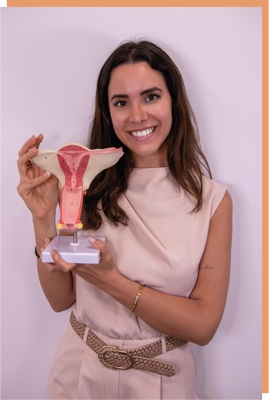

One of the most common questions I hear from women starting their conception journey is a deceptively simple one: "How long will this take?" The honest answer is that it depends on more factors than most people realize, and the timelines promoted online often cause unnecessary anxiety or unrealistic expectations. Whether you are trying through intercourse, at-home insemination, or clinical procedures, understanding realistic timelines based on real data helps you plan better and worry less.
Average Time to Conception by Age
Population-level data gives us a useful starting framework, though individual experiences vary widely. For healthy women with no known fertility issues who are timing intercourse or insemination optimally:
- Under 30: Approximately 60-80% conceive within 6 months, 85-90% within 12 months
- 30-34: Approximately 50-70% conceive within 6 months, 80-86% within 12 months
- 35-37: Approximately 45-65% conceive within 6 months, 75-82% within 12 months
- 38-40: Approximately 35-55% conceive within 6 months, 65-75% within 12 months
- Over 40: Approximately 25-40% conceive within 6 months, 50-65% within 12 months
These numbers tell an important story. Even among young, healthy women with perfect timing, the majority do not conceive in the first month or two. The per-cycle probability of conception is approximately 20-25% for women under 30, meaning that four out of five cycles do not result in pregnancy even when everything is done right. According to the Mayo Clinic, this is normal biology, not a cause for alarm.
Factors That Extend the Timeline
Several factors can lengthen the time to conception beyond the averages listed above. Being aware of them helps you identify potential issues early and seek appropriate support.
Ovulation Irregularity
If you are not ovulating regularly, each cycle represents a missed opportunity. Conditions like PCOS, thyroid disorders, and hyperprolactinemia can cause irregular or absent ovulation. If your cycles are consistently shorter than 21 days, longer than 35 days, or highly variable in length, discuss this with your healthcare provider before investing in multiple insemination cycles.
Sperm Quality Issues
When using donor sperm, quality is generally well documented and reliable. But if you are using a partner's sperm, male factor issues contribute to roughly 30-40% of fertility challenges. Low sperm count, poor motility, or abnormal morphology can all extend the timeline. Products like Impregnator Kit and His Fertility Boost support both the insemination process and male reproductive health.
Timing Accuracy
Even small errors in timing can mean months of lost opportunities. If you are consistently inseminating a day too early or too late, your per-cycle odds drop significantly. Investing in reliable ovulation tracking pays for itself many times over in reduced time to conception. Our guide on fertility myths debunked addresses common misconceptions about timing that can lead women astray.
Realistic Timelines by Conception Method
The method you choose to conceive affects your expected timeline. Here is what the data shows for common approaches:
- Natural intercourse (well-timed): Average 3-6 months for women under 35, 6-12 months for women 35-40
- At-home insemination (ICI with donor sperm): Average 3-8 months for women under 35, 6-12 months for women 35-40
- Clinical IUI (with donor sperm): Average 3-6 months (3-6 cycles) for women under 35
- IVF: Average 1-3 cycles for women under 35, potentially more for older women
These are averages, meaning roughly half of women will take longer than these timelines. This is not failure; it is statistics. Setting your mental expectation for the longer end of these ranges protects your emotional wellbeing. The World Health Organization defines infertility as 12 months of unsuccessful conception attempts, so anything within that timeframe is considered within normal range.
When to Seek Medical Evaluation
General guidelines for when to consult a fertility specialist:
- Under 35: After 12 months of well-timed attempts without conception
- 35-39: After 6 months of well-timed attempts
- 40 and over: Seek evaluation before starting or after 3 months of attempts
- At any age if you have: Irregular or absent periods, known conditions like PCOS or endometriosis, previous pelvic surgery, or history of sexually transmitted infections
Earlier evaluation does not mean something is wrong. It means you are using time wisely and gathering information that can help you make better decisions about your approach. A basic workup including hormone levels, an ultrasound, and a tubal patency test can either provide reassurance or identify a treatable issue.
Coping with the Wait
The time between deciding you want a baby and actually holding one can feel excruciatingly long, especially when each month brings another negative test. Strategies that help women cope include setting boundaries around how much fertility content you consume (doom-scrolling forums at midnight is not helpful), maintaining activities and relationships that have nothing to do with trying to conceive, keeping a journal to process emotions, and connecting with others on similar journeys.
Our articles on basal body temperature tracking, unexplained infertility, and natural fertility boosters provide additional strategies for optimizing your approach while you wait. Our fertility diet guide covers nutrition strategies that support both fertility and overall wellbeing during the trying-to-conceive period.
Getting pregnant takes time for most women, and that time is not wasted. It is your body working through the biological probability that eventually brings the right egg and the right sperm together at the right moment. Be patient with the process, be proactive about optimizing your approach, and be gentle with yourself through every cycle. Your timeline is yours, and it does not have to match anyone else's.



Ready to Start Your Journey?
Take our 30-second quiz to find the insemination kit designed for your specific situation.
Find Your Kit