At-Home Insemination in North Carolina: What You Need to Know (2026)
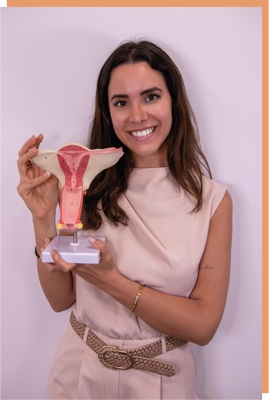 By Claudia Brassesco García, Clinical Embryologist & Registered Dietitian

North Carolina's Research Triangle (Raleigh-Durham-Chapel Hill) and Charlotte metro have become magnets for young families and professionals, including a large and active community pursuing at-home insemination. While NC lacks a broad fertility insurance mandate, its academic medical centers provide excellent fertility resources, and the legal framework for donor-conceived families is well-established. Here's what NC residents need to know.
Is At-Home Insemination Legal in North Carolina?
Yes — at-home insemination is fully legal in North Carolina. North Carolina law does not require insemination to occur in a clinical setting, and no statute restricts personal reproductive acts. NC's assisted reproduction statutes regulate the clinical and commercial aspects of fertility treatment, not personal decisions.
Donor Sperm Laws in North Carolina
North Carolina General Statutes Section 49A-1 provides that a husband who consents in writing to artificial insemination of his wife is treated as the natural parent of the resulting child. North Carolina has been updating its framework to address same-sex couples and single women more explicitly.
North Carolina courts have generally recognized donor status when:
- Sperm was donated through a licensed physician or sperm bank, OR
- A clear written agreement establishing donor (not co-parent) status was in place before conception
For same-sex couples, North Carolina recognizes parentage through second-parent adoption and voluntary acknowledgment of parentage at birth. UNC Health and Duke Fertility Center can provide referrals to reproductive law specialists who handle these arrangements routinely.
Fertility Insurance Coverage in North Carolina
North Carolina does not have a broad fertility insurance mandate. NC law does not require health insurers to cover IVF or IUI for the general population. This makes NC one of the states where at-home insemination's cost advantages are most significant.
What NC residents can do:
- Check your employer's plan — NC's large tech employers (Red Hat, SAS Institute, Apple in RTP) often provide voluntary fertility benefits
- State Health Plan for NC teachers and state employees may include some fertility diagnostics
- FSA/HSA funds are eligible for MakeAmom kits and related costs
Finding Sperm Banks in North Carolina
NC's major academic medical centers provide excellent access to fertility care and sperm storage. Browse fertility clinics in North Carolina for local providers.
- UNC Fertility (Chapel Hill) — Academic medical center with full fertility services and sperm bank access.
- Duke Fertility Center (Durham) — Comprehensive fertility services at Duke.
- Reproductive Endocrinology Associates of Charlotte (REACH) — Major private fertility center serving Charlotte and surrounding areas.
- Fairfax Cryobank, California Cryobank, Cryos — All ship reliably to North Carolina addresses.
Which MakeAmom Kit Is Right for North Carolina Residents?
- CryoBaby Kit ($79) — Best for frozen donor sperm from any cryobank. Ideal for anyone ordering nationally and inseminating at home.
- Impregnator Kit ($79) — For fresh sperm from a known donor with normal motility.
- BabyMaker Kit ($79) — For those with vaginismus, hypertonic pelvic floor, or sensitivity. Soft, smooth, hypoallergenic medical-grade silicone.
Ready to Start Your Journey?
Take our 30-second quiz to find the insemination kit designed for your situation.
Find Your Kit