10 Tips to Maximize At-Home Insemination Success
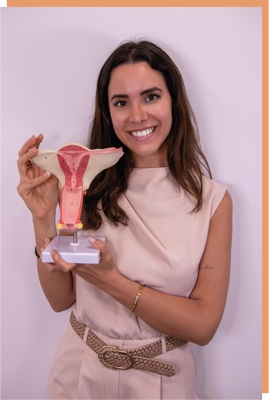

After coaching hundreds of women through their at-home insemination journeys, I have seen the same patterns emerge over and over: the women who succeed tend to focus on a specific set of factors that maximize their odds with each cycle. These are not secrets or hacks. They are practical, evidence-based strategies that any woman can implement starting with her very next attempt. Here are ten tips that can genuinely move the needle on your at-home insemination success rate.
Tip 1: Master Your Ovulation Timing
I cannot say this strongly enough: timing is everything. The most perfectly executed insemination in the world will not result in pregnancy if the egg is not there. Use ovulation predictor kits (OPKs) starting at least five days before your expected ovulation, and test twice daily as you approach your surge to avoid missing a short LH spike. When you get a positive, inseminate within 6 to 12 hours.
For comprehensive support, the BabyMaker Boost Bundle pairs the insemination kit with Her Daily fertility supplements for complete conception support.
If you can afford to do a double insemination, perform the second one 12 to 24 hours after the first. This bracketing approach puts fresh sperm in the reproductive tract both before and around the time of ovulation, significantly improving your odds compared to a single insemination.
Tip 2: Optimize Sperm Quality and Handling
The quality of the sperm you use matters just as much as the quality of your eggs. If you are using frozen donor sperm, proper thawing technique is critical. Never microwave or use hot water. Follow the vial instructions precisely, typically body-temperature thawing for 10 to 15 minutes. Once thawed, use the sperm within one hour.
If you are using fresh sperm from a known donor, the donor should abstain from ejaculation for two to three days before providing the sample (but not longer than five days, as extended abstinence decreases quality). The sample should be used within one hour of collection and kept at body temperature during that time. Products like the CryoBaby Kit and Impregnator Kit are designed to handle sperm safely and ensure optimal conditions for insemination.
Tip 3: Create the Right Environment
Your physical and emotional state during insemination matters more than you might think. Stress triggers cortisol production, which can interfere with reproductive hormones. Creating a calm, comfortable environment supports relaxation, which in turn supports the physical processes of conception.
- Choose a private space where you will not be interrupted
- Play relaxing music or a guided meditation if it helps you feel calm
- Have everything laid out and ready before you begin so you are not scrambling
- Keep the room warm and comfortable
- Consider having a supportive partner or friend nearby (in another room if you prefer privacy)
Tip 4: Perfect Your Technique
The insemination itself should be slow, gentle, and precise. Draw the sperm into the syringe carefully to avoid air bubbles. Lie on your back with a pillow under your hips, creating a gentle downward slope toward your cervix. Insert the syringe gently and depress the plunger slowly, taking about 10 to 15 seconds to deposit all the sperm.
After insemination, remain lying down with hips elevated for at least 20 to 30 minutes. Some women use a menstrual cup or disc afterward to keep sperm closer to the cervix. Whether or not this makes a clinical difference is debated, but many women feel it gives them an edge and the peace of mind is worth it.
A daily men's fertility supplement like His Daily Formula delivers Zinc, L-Carnitine, and CoQ10 to support healthy sperm production and motility.
Tip 5: Support Your Cervical Mucus
Fertile-quality cervical mucus is essential for sperm transport. If your mucus tends to be scant or thick, there are strategies to improve it. Stay well hydrated (aim for at least eight glasses of water daily), consider evening primrose oil in the first half of your cycle (discontinue after ovulation), and some women find that mucinex (guaifenesin) taken during the fertile window helps thin cervical mucus. Discuss this with your provider before trying it.
Avoid antihistamines and decongestants during your fertile window, as they dry out cervical mucus along with nasal passages. For more on reading cervical mucus signs, see our related guide on at-home vs clinic insemination.
Tip 6: Do Not Skimp on Supplements
Evidence-based supplements can support fertility from multiple angles. At minimum, take a high-quality prenatal vitamin with methylfolate starting at least three months before your first insemination attempt. Additional supplements with research support include CoQ10 for egg quality, vitamin D for hormonal balance, and omega-3 fatty acids for cellular health. According to the National Institutes of Health, nutritional optimization is a recommended component of preconception care.
To simplify your daily supplement routine, Her Daily Formula delivers key fertility nutrients including Folate, CoQ10, and Vitamin D in bioavailable forms.
Tip 7: Track Multiple Fertility Signs
Relying on a single tracking method leaves room for error. Combine OPKs with cervical mucus monitoring and, optionally, basal body temperature tracking. This multi-layered approach gives you confirmation from different biological signals and reduces the chance of missing your fertile window.
Tip 8: Manage the Two-Week Wait Productively
The two-week wait between insemination and testing can sabotage your mental health if you let it. Plan ahead with activities, set a testing date and stick to it (typically 14 days post-insemination for the most accurate result), and resist the urge to test too early. False negatives from early testing cause unnecessary heartbreak. According to RESOLVE, managing the emotional aspects of the TWW is a recognized challenge that benefits from proactive coping strategies.
Tip 9: Know When to Seek Help
If you have had four to six well-timed insemination cycles without success, consider a basic fertility workup. A simple set of tests can reveal issues like blocked fallopian tubes, hormonal imbalances, or uterine abnormalities that insemination alone cannot overcome. Catching these early saves time, money, and emotional energy.
Tip 10: Take Care of the Whole You
Fertility is not just about your reproductive system. It is about your whole body and mind. Maintain moderate exercise, eat nourishing foods, get seven to eight hours of sleep, limit alcohol and caffeine, and find healthy outlets for stress. These lifestyle factors influence everything from hormone production to egg quality to uterine receptivity.
Our guides on preventing sperm leakage and choosing insemination kits cover additional practical considerations. For product support, visit our insemination kit usage guide and first-time insemination tips for step-by-step procedural guidance.
Success with at-home insemination is not about any single factor. It is about stacking multiple small advantages until the odds tip in your favor. Each of these ten strategies is an evidence-based edge that, combined, creates the best possible conditions for conception. Stay consistent, stay patient, and trust that your body knows what to do when you give it the right support.



Ready to Start Your Journey?
Take our 30-second quiz to find the insemination kit designed for your specific situation.
Find Your Kit