Ashwagandha and Fertility: Benefits for TTC Couples

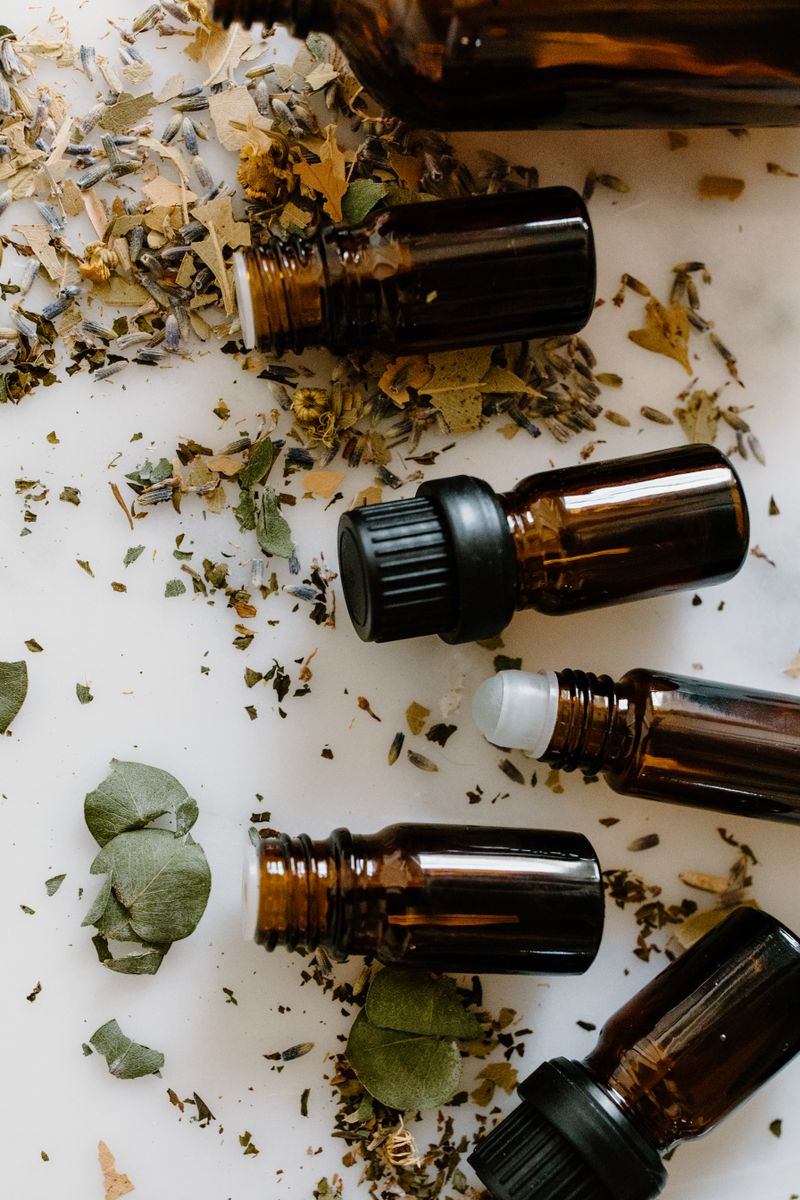
Ashwagandha has gone from a relatively obscure Ayurvedic herb to one of the most popular supplements in the wellness world. If you are trying to conceive, you have probably seen it mentioned in TTC forums, fertility supplement ingredient lists, and social media posts promising everything from stress relief to improved sperm quality. But how much of the hype is backed by actual science?
The answer is more nuanced than the marketing suggests, but also more promising than the skeptics assume. There is a legitimate body of clinical research on ashwagandha and reproductive health, particularly for male fertility, and the mechanisms through which it works are well understood. At the same time, it is not a miracle fertility cure, and there are important considerations around safety, dosing, and who stands to benefit most.
In this article, I will walk you through the clinical evidence on ashwagandha for both male and female fertility, explain the biological mechanisms at play, and help you make an informed decision about whether it belongs in your TTC supplement stack.
What Is Ashwagandha?
Ashwagandha (Withania somnifera) is an adaptogenic herb that has been used in traditional Ayurvedic medicine for over 3,000 years. The name translates loosely as "smell of the horse," referring both to the herb's distinctive smell and the traditional belief that it confers the strength and vitality of a horse. In Ayurvedic practice, it is classified as a Rasayana, meaning a rejuvenative tonic used to promote overall health and longevity.
The active compounds in ashwagandha are called withanolides, a class of naturally occurring steroidal lactones. The most well-studied withanolides are withaferin A and withanolide D. These compounds are responsible for ashwagandha's adaptogenic, anti-inflammatory, antioxidant, and hormonal effects.
As an adaptogen, ashwagandha helps the body manage stress by modulating the hypothalamic-pituitary-adrenal (HPA) axis, the system that governs your cortisol response. This stress-modulating effect is central to its potential fertility benefits, because chronic stress and elevated cortisol are well-established factors that can impair both male and female reproductive function.
Modern ashwagandha supplements typically use standardized root extracts, with two branded forms dominating the research: KSM-66 (standardized to 5 percent withanolides) and Sensoril (standardized to 10 percent withanolides, using both root and leaf). The distinction matters because study results are specific to the form and dose used.
Ashwagandha and Male Fertility
The strongest evidence for ashwagandha's fertility benefits is in the area of male reproductive health. Multiple clinical trials have examined its effects on sperm parameters, testosterone levels, and reproductive hormone profiles, and the results are consistently positive.
Effects on Sperm Count and Motility
A landmark study published in Evidence-Based Complementary and Alternative Medicine examined 75 men with idiopathic infertility (infertility with no identifiable cause) who took 5 grams of ashwagandha root powder daily for three months. The results were striking: sperm concentration increased by 36 percent, motility improved by 13 percent, and semen volume increased by 53 percent. The study also observed significant reductions in oxidative stress markers in seminal fluid.
Another study, reviewed in a systematic review on PubMed, examined 46 men with low sperm count who took 675 mg of ashwagandha root extract daily for 90 days. Sperm count increased by 167 percent, semen volume by 53 percent, and sperm motility by 57 percent. These are substantial improvements by any standard.
A third trial focusing on stressed but otherwise healthy men found that 600 mg per day of KSM-66 ashwagandha extract for eight weeks improved sperm concentration and motility compared with placebo, while also significantly reducing cortisol levels and improving subjective stress scores.
The pattern across these studies is consistent: ashwagandha appears to improve sperm parameters most dramatically in men who have suboptimal baseline values, particularly those with stress-related or idiopathic fertility issues. Men with already normal sperm parameters may see more modest improvements.
Effects on Testosterone and Reproductive Hormones
Several studies have found that ashwagandha supplementation increases testosterone levels in men, typically in the range of 10 to 22 percent over baseline. It also appears to increase levels of luteinizing hormone (LH), which stimulates testosterone production, and decrease follicle-stimulating hormone (FSH) levels, which are often elevated in men with impaired spermatogenesis.
The testosterone increase is clinically meaningful but modest. Ashwagandha is not comparable to testosterone replacement therapy and should not be viewed as a treatment for clinically low testosterone. Rather, it appears to optimize testosterone production within the normal range, particularly in men whose levels have been suppressed by chronic stress.
For a comprehensive look at male fertility factors and how to optimize them, see our male fertility basics guide and our review of the best male fertility supplements.
The Oxidative Stress Connection
One of the most important mechanisms behind ashwagandha's male fertility benefits is its potent antioxidant activity. Oxidative stress, an imbalance between free radicals and antioxidant defenses, is one of the leading causes of sperm damage. Free radicals can attack sperm cell membranes, fragment sperm DNA, and impair mitochondrial function in the sperm tail, reducing motility.
Ashwagandha has been shown to increase levels of key antioxidant enzymes in seminal fluid, including superoxide dismutase, catalase, and glutathione. By reducing oxidative damage to sperm, it helps preserve both sperm viability and DNA integrity, which are critical not only for conception but also for healthy embryo development.
Ashwagandha and Female Fertility
The evidence for ashwagandha's benefits in female fertility is less extensive than for male fertility, but the existing research and the understood mechanisms suggest several potential benefits.
Hormone Balance and the HPA-HPO Axis
The hypothalamic-pituitary-adrenal (HPA) axis, which governs your stress response, and the hypothalamic-pituitary-ovarian (HPO) axis, which controls your menstrual cycle and ovulation, share common neural pathways and influence each other significantly. When the HPA axis is chronically activated by stress, it can suppress the HPO axis, leading to irregular cycles, anovulation (failure to ovulate), and luteal phase defects.
By modulating the HPA axis and reducing cortisol, ashwagandha may indirectly support regular ovulation and healthy menstrual cycles in women whose reproductive function has been compromised by chronic stress. This is particularly relevant for women experiencing stress-related amenorrhea (absent periods) or irregular cycles. For more on how stress affects your fertility, see our stress and fertility guide.
Thyroid Support
Ashwagandha has demonstrated the ability to support thyroid function, particularly in cases of subclinical hypothyroidism (mildly underactive thyroid). A randomized controlled trial published in the Journal of Alternative and Complementary Medicine found that 600 mg of ashwagandha root extract daily for eight weeks significantly improved TSH, T3, and T4 levels in patients with subclinical hypothyroidism compared with placebo.
This is relevant to fertility because thyroid dysfunction is a common and often undiagnosed cause of irregular cycles, anovulation, and recurrent miscarriage. Even mild thyroid imbalances can impair conception and increase pregnancy risks. If you suspect thyroid issues may be affecting your fertility, our thyroid and fertility guide covers the testing and treatment options in detail.
Important caveat: ashwagandha can also stimulate thyroid function in people with normal or overactive thyroids, which could be problematic. Women with hyperthyroidism, Graves' disease, or those already on thyroid medication should not take ashwagandha without direct medical supervision.
Stress and Cortisol Reduction
The most robustly supported benefit of ashwagandha for women TTC is stress reduction. Multiple randomized controlled trials have demonstrated significant reductions in self-reported stress and anxiety scores, along with measurable decreases in serum cortisol levels, with ashwagandha supplementation.
One study found that 300 mg of ashwagandha root extract (KSM-66) taken twice daily for 60 days reduced serum cortisol by 30 percent compared with placebo. This level of cortisol reduction can meaningfully impact the HPO axis and support healthier hormonal cycling.
While the direct evidence linking ashwagandha supplementation to improved female conception rates is limited, the indirect evidence through stress reduction, cortisol modulation, and thyroid support provides a strong biological rationale for its use in women who are experiencing stress-related fertility challenges.
PCOS Considerations
Some preliminary research and traditional use suggest ashwagandha may benefit women with polycystic ovary syndrome (PCOS) through its effects on insulin sensitivity, androgen levels, and stress hormones. However, the direct clinical evidence for ashwagandha in PCOS is currently limited, and women with PCOS should discuss any supplement additions with their provider. For evidence-based supplement strategies for PCOS, see our PCOS supplement stack guide.
Dosage and Timing for TTC
Based on the clinical literature, the following dosing guidelines are most well-supported:
- Root extract (KSM-66 or equivalent): 300 mg twice daily with meals, for a total of 600 mg per day. This is the most commonly studied dose and has shown consistent benefits across multiple trials.
- Root extract (Sensoril): 125 to 250 mg once or twice daily. Sensoril is more concentrated due to the inclusion of leaf extract, so lower doses are used.
- Root powder (non-extract): 3 to 5 grams per day, typically divided into two or three doses mixed into warm milk or water. This is the traditional Ayurvedic preparation but requires larger doses because it is less concentrated than standardized extracts.
Timing considerations: Since sperm takes approximately 74 days to mature, men should begin ashwagandha supplementation at least three months before they want to see effects on sperm quality. For women, stress and cortisol benefits may become noticeable within two to four weeks, but hormonal effects may take six to eight weeks to manifest.
Take ashwagandha with food to improve absorption and reduce the chance of gastrointestinal discomfort. Morning and evening dosing tends to work well, with the evening dose potentially supporting sleep quality, an added benefit given ashwagandha's mild sedative properties.
Safety and Side Effects
Ashwagandha is generally well-tolerated in clinical studies, with side effects typically being mild and infrequent. The most commonly reported side effects include:
- Mild gastrointestinal discomfort (nausea, stomach upset, diarrhea), usually at higher doses or when taken on an empty stomach
- Drowsiness or sedation, particularly at higher doses or when taken in the evening
- Headache (infrequent)
According to the NIH Office of Dietary Supplements, ashwagandha appears safe for most adults when used at standard doses for up to three months, which is the longest duration studied in most clinical trials. Longer-term safety data is limited.
There have been rare case reports of liver injury associated with ashwagandha supplements, though it is unclear whether these were due to the ashwagandha itself or to contaminants in poorly manufactured products. Choosing a reputable brand that third-party tests for purity and potency minimizes this risk.
Who Should Avoid Ashwagandha
Despite its generally favorable safety profile, ashwagandha is not appropriate for everyone. The following groups should avoid it or use it only under direct medical supervision:
- Pregnant women: Ashwagandha should be discontinued as soon as pregnancy is confirmed. Some animal studies have shown potential abortifacient (pregnancy-terminating) effects at high doses, and there is insufficient human safety data during pregnancy. This is a critical point for TTC couples: use ashwagandha during the trying phase, but stop when you get a positive test.
- People with hyperthyroidism or Graves' disease: Ashwagandha can stimulate thyroid hormone production, which could worsen an already overactive thyroid.
- People on thyroid medication: Ashwagandha may alter thyroid hormone levels, potentially requiring dose adjustments to thyroid medication.
- People with autoimmune conditions: Ashwagandha may stimulate the immune system, which could theoretically worsen autoimmune diseases like lupus, rheumatoid arthritis, or multiple sclerosis.
- People on sedative or anti-anxiety medications: Ashwagandha has mild sedative properties and could enhance the effects of these medications.
- People scheduled for surgery: Discontinue ashwagandha at least two weeks before surgery, as it may interact with anesthesia and affect blood pressure.
How Ashwagandha Compares to Other Adaptogens
Ashwagandha is one of several adaptogens that are marketed for fertility support. Here is how it stacks up against the other popular options:
Ashwagandha vs. Maca: Maca (Lepidium meyenii) is probably the second most popular adaptogen for fertility. Unlike ashwagandha, maca does not appear to directly alter hormone levels. Instead, it may influence the HPA axis and improve energy, libido, and subjective well-being. The clinical evidence for maca and male fertility is modest, showing some improvements in sperm motility and sexual desire, but the studies are generally smaller and less rigorous than the ashwagandha literature. For female fertility, maca has even less direct evidence. Ashwagandha has a stronger research base overall.
Ashwagandha vs. Rhodiola: Rhodiola rosea is an adaptogen with strong evidence for stress reduction and cognitive performance, but very limited research specifically on fertility. It may be a good complementary option for stress management but should not be considered a fertility-specific supplement.
Ashwagandha vs. Shatavari: Shatavari (Asparagus racemosus) is another Ayurvedic herb traditionally used for female reproductive health. It is believed to support estrogen production, cervical mucus quality, and uterine health. However, the clinical evidence is largely preclinical (animal studies), and human trials are limited. Shatavari and ashwagandha are sometimes used together in traditional formulations.
For a detailed comparison and review of supplements with the strongest evidence, check the Examine.com ashwagandha page, which provides a thorough, unbiased analysis of the research.
Integrating Ashwagandha into Your TTC Plan
If you decide to add ashwagandha to your fertility supplement routine, here are some practical recommendations:
For male partners: Ashwagandha pairs well with other evidence-based male fertility nutrients like zinc, selenium, CoQ10, L-carnitine, and folate. His Daily Formula provides a comprehensive base of these nutrients. Adding a standalone ashwagandha supplement (600 mg KSM-66 daily) on top of a solid foundation creates a well-rounded approach to male fertility optimization. Start at least three months before you plan to begin trying. The Couples Pack makes it easy for both partners to get started with their respective formulas simultaneously.
For female partners: Consider ashwagandha primarily if stress or anxiety is a significant factor in your life, if you have mild thyroid concerns (confirmed by blood work), or if your cycles have become irregular in the context of high stress. Use it alongside, not instead of, a comprehensive prenatal supplement. Discontinue immediately upon a positive pregnancy test.
Quality matters: Choose a supplement that uses a branded, standardized extract (KSM-66 or Sensoril), is third-party tested for purity and potency, and is manufactured by a reputable company. The supplement industry is poorly regulated, and product quality varies enormously.
Frequently Asked Questions
Does ashwagandha increase sperm count?
Multiple clinical studies suggest that ashwagandha can improve sperm count, motility, and morphology, particularly in men with stress-related or idiopathic infertility. One frequently cited study found that men who took 675 mg of ashwagandha root extract daily for 90 days showed significant increases in sperm count and semen volume. However, results vary across studies, and ashwagandha appears most effective in men with suboptimal baseline parameters rather than those with already normal values.
Can women take ashwagandha while trying to conceive?
Ashwagandha is generally considered safe for women who are trying to conceive, and may offer benefits through stress reduction, thyroid support, and hormone balancing. However, ashwagandha should be discontinued once pregnancy is confirmed, as it has not been adequately studied for safety during pregnancy and some animal studies suggest it may have abortifacient properties at high doses. Always consult your healthcare provider before starting ashwagandha.
How long does ashwagandha take to work for fertility?
Most clinical studies on ashwagandha and fertility used treatment periods of 8 to 12 weeks before measuring outcomes. Since sperm takes approximately 74 days to develop fully, a minimum of three months of consistent supplementation is recommended before evaluating its effects on sperm parameters. Stress and cortisol reduction benefits may be noticed within two to four weeks.
What is the best ashwagandha dosage for fertility?
Clinical studies have used dosages ranging from 300 mg to 675 mg per day of root extract, typically standardized to contain 5 percent or more withanolides. The most commonly studied dose is 600 mg per day, divided into two doses of 300 mg taken with meals. KSM-66 and Sensoril are the two most well-researched branded extracts. Always start at the lower end and consult your healthcare provider for personalized recommendations.