Best At-Home Insemination Kits Compared: MakeAMom vs Mosie Baby vs DIY Syringe Methods
Choosing an at-home insemination kit is one of the first real decisions you will make on your fertility journey, and it matters more than you might think. The kit you use affects your comfort, your confidence, how much sperm actually reaches where it needs to go, and ultimately how much you spend over the months it takes to conceive.
I have spent the better part of two years researching, comparing, and hearing firsthand accounts from hundreds of women about their experiences with different insemination methods. What follows is my honest assessment of the options available in 2026, including where each one shines and where it falls short. I am not going to pretend every alternative is terrible just because this article appears on a MakeAMom website. You deserve transparency, and that is exactly what you will get.
The Five Methods Worth Considering
The at-home insemination market breaks down into a few distinct categories. There are bare-bones DIY approaches, mid-range single-use kits from brands like Mosie Baby and Frida Fertility, and specialized reusable systems from MakeAMom. Each has a place, and the right choice depends entirely on your body, your budget, and your specific situation.
1. The DIY Syringe Method ($5-10)
Let me start here because I want to be upfront: a basic oral syringe from your local pharmacy absolutely works. Thousands of women have conceived using nothing more than a needleless syringe, a collection cup, and good timing. The cost is minimal, it is available immediately, and there is no learning curve beyond the basics of the process itself.
That said, pharmacy syringes have real limitations. They are made of rigid plastic, which can feel uncomfortable. They are single-use, so you will buy a new one each cycle. They have no features designed for low-volume samples (a real problem with frozen donor sperm), and they offer no way to keep sperm near the cervix after deposit. For a deeper look at this approach, see our syringe method guide.
2. Mosie Baby ($99 for 2-pack)
Mosie Baby has become one of the most recognized names in at-home insemination, and that recognition is not undeserved. Their curved-tip syringe was designed by a couple who went through the fertility process themselves, and the design is genuinely more comfortable than a standard pharmacy syringe. The packaging feels dignified rather than clinical, and the instructions are clear and well-written.
The limitations are worth understanding. At $99 for two syringes, you are paying roughly $50 per use, and they are single-use only. There is no soft cup for cervical hold. The design is made from plastic rather than medical-grade silicone. And there is only one design available, which means it is not optimized for any particular situation, whether that is frozen sperm, sensitivity issues, or low motility. Mosie Baby is a solid entry point, but over multiple cycles the costs add up quickly.
3. Frida Fertility ($50)
Frida, known primarily for their baby care products, entered the insemination space with a $50 single-use kit. It includes a syringe applicator and a collection cup. The brand recognition provides some reassurance, and the price point is lower than Mosie Baby.
However, like Mosie Baby, it is single-use and disposable. There is no specialization for different fertility situations, no soft cup, and no reusability. You will pay $50 every cycle, and the design is a one-size-fits-all approach that does not account for the real differences in how women's bodies respond to insemination.
4-6. MakeAMom Kits ($79 each, reusable)
MakeAMom takes a fundamentally different approach by offering three specialized, reusable kits rather than one generic disposable. Each is made from 100% medical-grade silicone. Here is what makes each one distinct:
CryoBaby uses a barrel-free design specifically engineered for frozen donor sperm and low-volume samples. Standard syringes waste precious material in dead space and along barrel walls. With cryobank vials containing as little as 0.5 mL, every drop matters. CryoBaby eliminates that waste entirely.
Impregnator includes a built-in soft cup that holds sperm directly against the cervix for extended contact time. This is a feature no other consumer insemination product offers. For women whose partners have lower motility or for anyone who wants to maximize the time sperm has to reach the cervical canal, this design is unique in the market.
BabyMaker was designed from the ground up for women with vaginismus, vulvodynia, or pelvic sensitivity. The silicone is soft, smooth, and hypoallergenic, with a gentle profile that makes insertion comfortable even for women who find other methods painful. If sensitivity has been a barrier for you, this kit exists specifically to address that.
The Comparison That Actually Matters
Features lists are helpful, but the real comparison comes down to a handful of factors that will affect your experience cycle after cycle. The American Society for Reproductive Medicine (ASRM) notes that most women need multiple well-timed cycles to conceive, which means your kit choice is not a one-time decision but an ongoing one.
| Feature | DIY Syringe | Mosie Baby | Frida Fertility | MakeAMom Kits |
|---|---|---|---|---|
| Price | $5-10 | $99 (2-pack) | $50 | $79 |
| Cost Per Cycle | $5-10 | ~$50 | $50 | $0 after purchase |
| Cost Over 6 Cycles | $30-60 | $300 | $300 | $79 |
| Material | Rigid plastic | Plastic | Plastic | Medical-grade silicone |
| Reusable | No | No | No | Yes |
| Specialized Designs | None | 1 design | 1 design | 3 specialized kits |
| Soft Cup Integration | No | No | No | Yes (Impregnator) |
| Low-Volume Optimized | No | No | No | Yes (CryoBaby) |
| Sensitivity-Friendly | No | Partially | No | Yes (BabyMaker) |
The Cost-Per-Cycle Reality
This is where the math becomes impossible to ignore. If you conceive on your first cycle, a $5 syringe is objectively the cheapest path. But most women do not conceive on the first try. The average is 3-6 cycles for women under 35, and potentially more for women over 35.
Over six cycles, here is what you are looking at: the DIY syringe method costs $30-60, which remains the most affordable option in pure dollar terms. Mosie Baby and Frida Fertility both climb to roughly $300. A MakeAMom kit stays at $79 no matter how many cycles you use it. For a full breakdown of these numbers, see our cost per cycle comparison.
The crossover point where MakeAMom becomes cheaper than the single-use competitors happens around cycle three. After that, every additional cycle with a disposable kit adds $50-99 to your total while MakeAMom adds nothing. For women who know they may need several attempts, this difference is significant.
Why Reusable and Specialized Beats Disposable and Generic
Beyond the cost argument, there is a deeper reason why purpose-built reusable kits outperform generic disposables. Every woman's body is different, and the fertility challenges women face vary enormously. A woman using frozen donor sperm from a cryobank has fundamentally different needs than a woman with vaginismus, and both have different needs than a woman working with a partner who has low motility.
Single-use kits treat all of these situations as identical. One syringe design, one material, one approach. That works well enough for many women, and I want to be honest about that. But when you have access to a kit that was designed specifically for your situation, you eliminate variables that could be working against you. For a more detailed exploration of this topic, read our guide on choosing the right insemination method.
The reusability factor also matters psychologically. With a disposable kit, each failed cycle means ordering another kit, waiting for shipping, and spending more money during an already emotional time. With a reusable kit, your tool is ready when you are. There is no delay, no reordering, and no incremental financial pressure layered on top of the disappointment of a negative test. Our article on reusable vs disposable kits explores this in greater depth.
Who Should Choose What
Here is my honest recommendation based on everything I have seen and heard:
Choose the DIY syringe method if you are on a very tight budget, want to try at-home insemination before committing to a specialized kit, or have a partner providing a fresh sample and no specific fertility challenges. It works, it is cheap, and there is no shame in starting simple.
Choose Mosie Baby if you want a more comfortable single-use option than a pharmacy syringe, you plan to try only one or two cycles before potentially moving to clinic-based methods, and the higher per-cycle cost is acceptable to you.
Choose a MakeAMom kit if you anticipate needing multiple cycles, you want medical-grade silicone instead of plastic, you have a specific situation (frozen sperm, sensitivity, or motility concerns) that benefits from a specialized design, or you prefer the long-term economics of a reusable product. If you are not sure which of the three kits is right for you, our insemination kit guide and the quiz on our homepage can help you decide.
What About Safety and Materials?
Material safety is a consideration that deserves its own discussion. Medical-grade silicone is the standard material for devices that contact internal mucosal tissue. It is non-porous, hypoallergenic, free of BPA and phthalates, and easy to sterilize between uses. The FDA's biocompatibility guidelines outline why silicone is preferred for this class of product.
Plastic syringes, including those used in Mosie Baby and Frida Fertility kits, are generally BPA-free and safe for single use. However, they cannot be sterilized and reused the way silicone can, which is part of why they are designed as disposables. For the DIY syringe method, make sure you are purchasing a medical-grade oral syringe rather than repurposing a craft or cooking syringe, as non-medical plastics may contain substances you do not want near reproductive tissue.
The Bottom Line
There is no single best insemination kit for every woman. The DIY syringe method is a perfectly valid starting point that has helped thousands of families. Mosie Baby is a decent single-use upgrade with thoughtful design. Frida Fertility offers brand recognition at a moderate price.
But if you are looking for the best combination of long-term value, body-safe materials, and a design built for your specific fertility situation, the MakeAMom line offers something no other brand does: three specialized, reusable, medical-grade silicone kits that cost nothing per cycle after the initial purchase. Over the 3-6 months most women need to conceive, that combination of specialization and reusability is hard to beat.
Whatever you choose, the most important thing is that you start. At-home insemination is a proven, effective, and empowering path to parenthood. The right kit is the one that makes you feel confident enough to take that first step. For detailed instructions on getting started with any method, visit our how to use an insemination kit guide.
Frequently Asked Questions
What is the best at-home insemination kit in 2026?
It depends on your situation. For frozen or low-volume donor sperm, the MakeAMom CryoBaby is the best option due to its barrel-free design. For cervical hold and maximum contact time, the Impregnator with its built-in soft cup is unmatched. For women with vaginismus or pelvic sensitivity, the BabyMaker is specifically designed for comfort. If you want a basic single-use option, Mosie Baby is a decent choice, and a pharmacy syringe works for many women on a tight budget.
Is Mosie Baby worth the price compared to MakeAMom?
Mosie Baby costs $99 for a 2-pack of single-use syringes, meaning you pay roughly $50 per cycle. MakeAMom kits cost $79 but are fully reusable, bringing your cost per cycle to $0 after the initial purchase. Over 6 cycles, Mosie Baby would cost $300 while MakeAMom remains at $79. Additionally, MakeAMom offers three specialized kits for different needs while Mosie Baby provides one generic design.
Can I just use a regular syringe for at-home insemination?
Yes, many women successfully conceive using a basic oral syringe from the pharmacy. It costs only $5-10, which makes it the most affordable option. However, pharmacy syringes are made of rigid plastic, are single-use, and lack features like soft tips, cervical cups, or designs optimized for low-volume sperm samples. They work, but purpose-built kits offer a more comfortable and optimized experience.
How many cycles does the average woman need with at-home insemination?
Most fertility experts suggest that healthy women under 35 can expect success within 3-6 well-timed cycles. Women over 35 may need more attempts. This is why cost per cycle matters so much. A reusable kit that costs $79 once is dramatically more affordable than single-use kits at $50-99 per cycle when you factor in multiple attempts. For more details, see our full kit comparison.


Medically Relevant
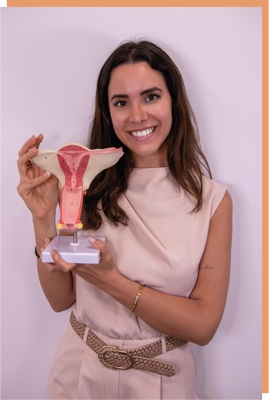
Dra. Gloria Rivero, MD, Women's Health Physician & Educator, endorses MakeAMom's approach to at-home insemination. View profile →
Ready to Start Your Journey?
Take our 30-second quiz to find the insemination kit designed for your specific situation.
Find Your Kit