Building Your Ideal Fertility Supplement Routine

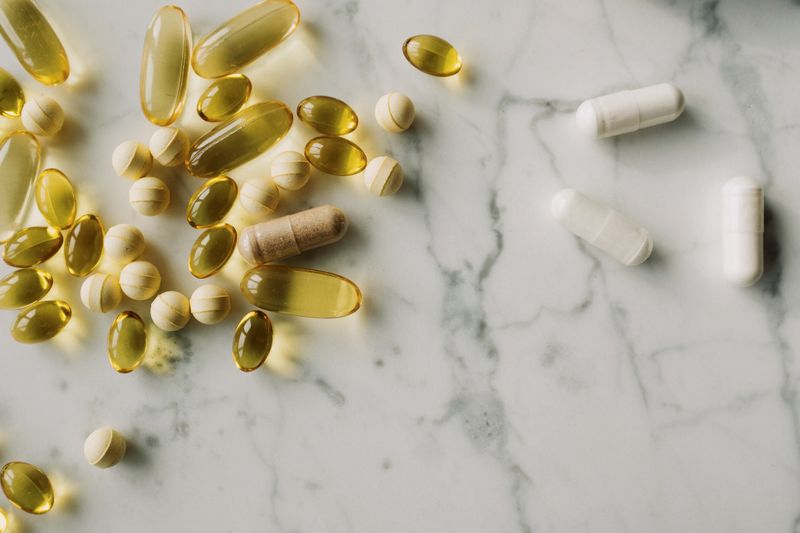
Building a fertility supplement routine can feel overwhelming when you are faced with dozens of products making bold promises. As someone who reviews the clinical evidence behind reproductive supplements for a living, I want to help you cut through the marketing noise and build a protocol based on what the science actually supports. The right combination of supplements, taken at the right doses and at the right time, can genuinely support your reproductive health. But more is not always better, and the wrong supplements can waste your money or even interfere with your goals. Let me guide you through a systematic, evidence-based approach.
The Foundation: Prenatal Vitamins
Every fertility supplement routine should begin with a high-quality prenatal vitamin. This is not optional. It is the baseline that everything else builds upon. A good prenatal vitamin provides folate, iron, vitamin D, vitamin B12, iodine, and a range of other essential micronutrients that support both conception and early fetal development.
To simplify your daily supplement routine, Her Daily Formula delivers key fertility nutrients including Folate, CoQ10, and Vitamin D in bioavailable forms.
The single most important component of your prenatal is folate, and the form matters. Look for methylfolate (5-MTHF) rather than synthetic folic acid. Approximately 30 to 40 percent of the population carries gene variants (MTHFR polymorphisms) that reduce the ability to convert folic acid to its active form. Methylfolate bypasses this conversion entirely, ensuring you get the benefit regardless of your genetics. A dose of 800 to 1,000 mcg of folate equivalent is recommended during the preconception period.
Beyond folate, your prenatal should include at least 600 to 1,000 IU of vitamin D3, 27 mg of iron (preferably a gentle form like iron bisglycinate), 150 mcg of iodine, and adequate B12. If your prenatal is light on any of these, you may need to supplement individually.
Targeted Supplements for Egg Quality
For women over 30, and especially those over 35, egg quality becomes an increasingly important factor in fertility. Several supplements have shown promise in supporting the cellular processes that contribute to healthy egg development.
Coenzyme Q10 (CoQ10)
CoQ10 is one of the most well-researched fertility supplements for egg quality. It plays a critical role in mitochondrial energy production, and eggs are among the most mitochondria-dense cells in the body. As we age, both CoQ10 levels and mitochondrial function decline, which correlates with the age-related decline in egg quality.
Supplementation with 200 to 600 mg of CoQ10 daily, preferably in the ubiquinol form which is more readily absorbed, has been associated with improved egg quality and IVF outcomes in several clinical studies. The benefits take time to manifest because egg maturation is a process that spans approximately three months. Start CoQ10 at least three months before you plan to begin trying to conceive for maximum benefit.
DHEA
Dehydroepiandrosterone (DHEA) is a hormone precursor that has shown particular promise for women with diminished ovarian reserve. Some fertility clinics recommend 25 mg of DHEA three times daily for women whose ovarian reserve testing suggests lower than expected function for their age. However, DHEA is a hormone precursor and should not be taken without medical guidance, as it can affect testosterone and estrogen levels. For a deeper dive into the evidence, see our article on DHEA for fertility.
Antioxidants
Oxidative stress is a significant contributor to age-related egg quality decline. A combination of antioxidants can help counteract this. Key antioxidants to consider include:
- Vitamin E: 200 to 400 IU daily supports cell membrane integrity
- Vitamin C: 500 to 1,000 mg daily supports collagen synthesis and protects against oxidative damage
- Alpha-lipoic acid: 300 to 600 mg daily acts as both a water- and fat-soluble antioxidant
- Resveratrol: 100 to 200 mg daily has shown promise in animal studies for egg quality
- N-Acetyl Cysteine (NAC): 600 to 1,200 mg daily supports glutathione production, your body's master antioxidant
Our guide on NAC for fertility explores this particular supplement in greater detail.
Supplements for Male Fertility
If you have a male partner contributing sperm, his supplement routine matters just as much as yours. Sperm take approximately 74 days to mature, so starting supplements at least two to three months before trying to conceive gives new sperm the full benefit of improved nutritional status.
Evidence-based male fertility supplements include zinc (30 to 50 mg daily), selenium (100 to 200 mcg daily), L-carnitine (1,000 to 2,000 mg daily), CoQ10 (200 to 400 mg daily), and vitamin C (500 to 1,000 mg daily). According to the RESOLVE: The National Infertility Association, male factor contributes to roughly half of all infertility cases, making his supplementation an important part of your overall strategy.
A daily men's fertility supplement like His Daily Formula delivers Zinc, L-Carnitine, and CoQ10 to support healthy sperm production and motility.
Products like His Fertility Boost are specifically formulated to provide these nutrients in clinically relevant doses, taking the guesswork out of his protocol.
Building Your Personal Protocol
Not everyone needs every supplement on this list. Your protocol should be tailored to your age, health status, test results, and specific fertility situation. Here is a framework for building yours:
- Start with a quality prenatal vitamin that provides the foundational nutrients every woman needs during preconception
- Add CoQ10 if you are over 30 or have any concern about egg quality based on testing
- Consider DHEA only with medical guidance and only if you have been diagnosed with diminished ovarian reserve
- Include omega-3 fatty acids (1,000 to 2,000 mg EPA/DHA combined) for hormone support and anti-inflammatory benefits
- Add vitamin D if your levels are below 40 ng/mL, which many women find upon testing
- Layer in antioxidants based on your specific needs and your provider's recommendations
Timing matters for supplement absorption. Take fat-soluble vitamins (D, E, CoQ10) with meals that contain healthy fats. Take iron separate from calcium, as they compete for absorption. And take your prenatal at the time of day when you are most consistent, because the best supplement is the one you actually take every day.
The American Society for Reproductive Medicine notes that while supplements can support reproductive health, they should complement rather than replace medical evaluation and treatment when needed. Share your supplement list with your healthcare provider to ensure nothing conflicts with any medications or conditions.
Building a fertility supplement routine is an act of preparation and care for the body that will hopefully carry and nourish your baby. Take it step by step, prioritize quality over quantity, and give your chosen supplements at least three months to make their impact. Your body is doing remarkable things, and the right nutritional support helps it do them even better.



Ready to Start Your Journey?
Take our 30-second quiz to find the insemination kit designed for your specific situation.
Find Your Kit