Preeclampsia and Older Mothers: Know the Risks
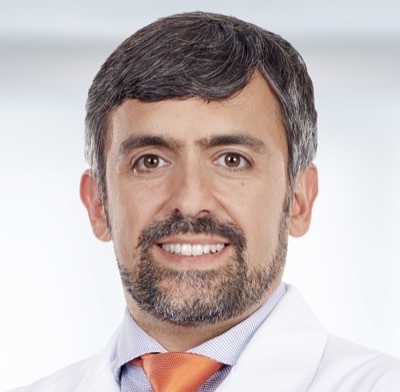

Preeclampsia is a pregnancy complication that deserves your attention, particularly if you are conceiving after 35. It affects approximately five to eight percent of all pregnancies, and the risk increases with maternal age. As a researcher who studies maternal health outcomes, I want to provide you with a clear, evidence-based understanding of what preeclampsia is, why older mothers face elevated risk, and — most importantly — what you can do to monitor for it and reduce your chances of developing it. Knowledge here is genuinely protective.
What Preeclampsia Is and Why It Matters
Preeclampsia is a condition characterized by high blood pressure and signs of organ damage, typically affecting the kidneys or liver, that develops after twenty weeks of pregnancy. It can also occur shortly after delivery. The condition ranges from mild to severe, and in its most serious form, it can be life-threatening for both mother and baby.
The exact cause of preeclampsia is not fully understood, but it is believed to originate in the placenta. In normal pregnancy, new blood vessels develop to supply the placenta with adequate blood flow. In preeclampsia, these vessels do not develop properly, leading to reduced blood flow, inflammation, and the release of substances that damage the mother's blood vessel lining. This vascular dysfunction is what produces the characteristic high blood pressure and organ strain.
Preeclampsia is the reason your healthcare provider checks your blood pressure and urine protein at every prenatal visit. These routine screenings are specifically designed to catch preeclampsia early, when intervention can prevent serious complications. The American Society for Reproductive Medicine emphasizes the importance of comprehensive prenatal monitoring, especially for women with elevated risk factors.
Why Age Increases Preeclampsia Risk
Maternal age is an independent risk factor for preeclampsia, meaning it increases your risk even when other factors are accounted for. Women over 35 face roughly double the risk compared to women in their twenties, and the risk continues to increase with age beyond 35.
Several biological mechanisms explain this increased risk:
- Vascular aging: Blood vessels naturally become less elastic and more prone to damage with age. Since preeclampsia is fundamentally a vascular condition, age-related vascular changes make the condition more likely.
- Higher rates of chronic hypertension: Blood pressure tends to rise with age, and women who enter pregnancy with even mildly elevated blood pressure face higher preeclampsia risk.
- Increased prevalence of other risk factors: Conditions like obesity, diabetes, and kidney disease become more common with age, each of which independently increases preeclampsia risk.
- First pregnancy at older age: First pregnancies carry higher preeclampsia risk than subsequent pregnancies, and many women over 35 who are conceiving through fertility treatment are having their first baby.
Understanding these risk factors is not meant to frighten you — it is meant to empower you with the knowledge to advocate for appropriate monitoring and preventive care. If you are navigating fertility decisions at this stage, consulting a fertility specialist who understands age-related considerations is a smart first step.
Warning Signs Every Expectant Mother Should Know
Preeclampsia can develop gradually or appear suddenly, which is why knowing the warning signs is crucial. While routine prenatal monitoring catches many cases, some develop between appointments, and recognizing symptoms early can be lifesaving.
Contact your healthcare provider immediately if you experience any of the following after twenty weeks of pregnancy:
- Severe headaches that do not respond to normal pain relief and do not go away
- Vision changes including blurred vision, seeing spots, flashing lights, or temporary vision loss
- Sudden swelling, particularly in the face and hands (as opposed to the gradual foot and ankle swelling that is normal in pregnancy)
- Pain in the upper right abdomen or below the ribs, which can indicate liver involvement
- Sudden weight gain of more than two pounds in a week from fluid retention
- Nausea or vomiting that appears in the second half of pregnancy (as distinct from first-trimester morning sickness)
- Decreased urine output
- Shortness of breath caused by fluid in the lungs
These symptoms do not necessarily mean you have preeclampsia, but they warrant immediate evaluation. In some cases, preeclampsia can progress to eclampsia (seizures) or HELLP syndrome (a severe variant affecting the liver and blood clotting) within hours or days of symptom onset. Prompt medical attention saves lives. Review your approach to prenatal testing over 35 to ensure you have comprehensive monitoring in place.
Prevention Strategies Supported by Evidence
While preeclampsia cannot be entirely prevented, several evidence-based strategies can significantly reduce your risk. The Centers for Disease Control and Prevention supports these preventive approaches as part of comprehensive prenatal care.
Low-Dose Aspirin
This is one of the most well-studied prevention strategies. The U.S. Preventive Services Task Force recommends low-dose aspirin (81 milligrams daily) starting after twelve weeks of pregnancy for women at high risk of preeclampsia. Multiple large trials have shown that this simple intervention can reduce preeclampsia risk by approximately fifteen to twenty percent. If you are over 35, especially with a first pregnancy, discuss aspirin prophylaxis with your prenatal provider.
Calcium Supplementation
For women with low calcium intake (below 600 milligrams daily), calcium supplementation has been shown to reduce preeclampsia risk. The World Health Organization recommends 1,500 to 2,000 milligrams of calcium daily for pregnant women at high risk, particularly in populations where dietary calcium intake is low.
Lifestyle Factors You Can Influence
Maintaining a healthy weight before and during pregnancy, engaging in regular moderate exercise (with your provider's approval), managing any pre-existing conditions like diabetes or hypertension, and eating a balanced diet rich in fruits, vegetables, and adequate protein all contribute to lower preeclampsia risk. While these factors cannot eliminate risk entirely, they create the healthiest possible foundation for your pregnancy.
Starting your pregnancy journey with optimal health is important. A quality fertility supplement can support your nutritional needs during the conception phase, and maintaining good nutrition carries through into pregnancy as well.
What Happens If Preeclampsia Develops
If you are diagnosed with preeclampsia, your management plan will depend on the severity of the condition and how far along you are in your pregnancy. Mild preeclampsia may be managed with close monitoring, bed rest, and frequent check-ups. Severe preeclampsia may require hospitalization, medications to prevent seizures and manage blood pressure, and potentially early delivery.
The only definitive cure for preeclampsia is delivery of the baby and placenta. This creates a challenging clinical decision when preeclampsia develops before the baby has reached full term. Your medical team will balance the risks of continuing the pregnancy (worsening preeclampsia) against the risks of preterm delivery. In many cases, with appropriate monitoring and treatment, pregnancies affected by mild preeclampsia can be extended to near-term delivery.
After delivery, preeclampsia typically resolves within days to weeks, though blood pressure monitoring continues during the postpartum period. Women who have had preeclampsia face higher cardiovascular risk later in life and should discuss long-term monitoring with their primary care provider.
Understanding preeclampsia risk is part of the informed, thorough approach that defines women who pursue pregnancy after 35. You are already demonstrating the kind of careful planning that serves both you and your baby well. Knowledge about preeclampsia does not add to the burden of pregnancy — it lightens it by replacing uncertainty with preparation and action.



Ready to Start Your Journey?
Take our 30-second quiz to find the insemination kit designed for your specific situation.
Find Your Kit