Fertility Treatment Tax Deductions Explained
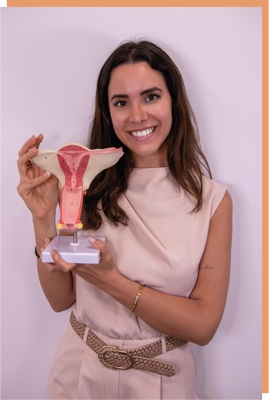

Nobody gets into fertility treatment thinking about taxes. You are focused on timing, protocols, hope, and — let us be real — the mounting costs. But here is something that can ease the financial sting considerably: many fertility-related expenses are tax-deductible. The IRS classifies infertility as a medical condition, which means the money you spend trying to conceive may qualify for the same tax treatment as any other medical expense. Knowing what qualifies, how to document it, and how to maximize your deduction can put real money back in your pocket.
The Medical Expense Deduction: How It Works
Under current tax law, you can deduct unreimbursed medical expenses that exceed 7.5 percent of your adjusted gross income (AGI). This means if your AGI is $80,000, you can deduct medical expenses that exceed $6,000. Given that fertility treatment often involves thousands of dollars in a single year, reaching that threshold is unfortunately quite realistic for many families.
The deduction applies to expenses for the "diagnosis, cure, mitigation, treatment, or prevention of disease." The IRS has specifically acknowledged that fertility treatments fall under this definition, which means a wide range of conception-related costs potentially qualify. The Mayo Clinic categorizes infertility as a medical condition, and the IRS follows the same classification.
This deduction is available whether you itemize on Schedule A or, in some cases, through a Health Savings Account (HSA) or Flexible Spending Account (FSA) if your employer offers one. The HSA and FSA route can be even more advantageous because you pay with pre-tax dollars without needing to clear the 7.5 percent AGI threshold.
Fertility Expenses That Qualify for Deduction
The list of deductible fertility expenses is broader than many people realize. Here is a comprehensive breakdown of what typically qualifies:
Medical Procedures and Treatments
- Diagnostic testing, including blood work, ultrasounds, HSG tests, and semen analyses
- IUI (intrauterine insemination) procedures and associated monitoring
- IVF cycles, including egg retrieval, embryo transfer, and embryo freezing
- Medications related to fertility treatment, including ovulation-stimulating drugs, progesterone supplements, and trigger shots
- Donor egg or donor sperm costs, including purchase fees and shipping
- Egg freezing for medical reasons
- Surgical procedures related to fertility, such as laparoscopy for endometriosis or fibroid removal
- Acupuncture when prescribed as part of a fertility treatment plan
Related Costs You Might Overlook
- Transportation costs to and from medical appointments, including mileage (at the IRS medical mileage rate), parking, tolls, and public transit fares
- Travel costs if you must travel to a clinic in another city, including lodging (up to $50 per night per person in most cases) and the transportation itself
- Storage fees for frozen embryos, eggs, or sperm when part of a treatment plan
- Lab fees for genetic testing of embryos (PGT)
- Counseling fees when required as part of a fertility treatment program
If you are exploring more accessible routes, expenses related to employer fertility benefits and at-home methods may also have tax implications worth exploring with your accountant. Using a fertility support kit or couples kit may qualify as a medical supply expense when used as part of a documented fertility treatment plan, though you should confirm this with your tax professional.
Documentation: Your Most Important Tax Strategy
The single most important thing you can do to maximize your fertility tax deductions is document everything meticulously. The IRS can request substantiation of medical expense deductions, and good records make the difference between a smooth process and a stressful audit.
Start a dedicated fertility expense tracking system from day one. This can be a spreadsheet, a dedicated folder in your cloud storage, or a financial app — whatever works for you. For each expense, record:
- The date of the expense
- The provider or vendor name
- A description of the service or product
- The amount paid
- Whether insurance reimbursed any portion (only unreimbursed amounts are deductible)
- Keep the receipt or explanation of benefits (EOB)
For mileage, keep a log of each trip: the date, the destination, the purpose, and the round-trip mileage. There are smartphone apps specifically designed for medical mileage tracking that make this effortless. Understanding your fertility payment plans can help you time expenses strategically across tax years.
Strategic Timing of Expenses Across Tax Years
Because the medical expense deduction only kicks in above 7.5 percent of AGI, there can be a strategic advantage to concentrating expenses into a single tax year rather than spreading them across two years. This is called "bunching," and it is a legitimate and common tax planning strategy.
For example, if you know you will have significant fertility expenses in both December and January, it may make sense to schedule (or prepay for) January procedures in December to push more expenses into the same tax year. This increases the likelihood that your total medical expenses will cross the 7.5 percent threshold and makes more of your spending deductible.
Conversely, if you have already cleared the threshold in the current year, accelerating planned expenses into this year means every additional dollar is deductible. If you have not cleared the threshold yet and are unlikely to, deferring expenses to next year when you expect higher costs might be the better strategy. Our IVF cost breakdown can help you estimate your annual fertility spending for tax planning purposes.
HSAs and FSAs: The Pre-Tax Advantage
Health Savings Accounts (HSAs) and Flexible Spending Accounts (FSAs) allow you to pay for qualified medical expenses with pre-tax dollars. This is often more advantageous than the itemized deduction because you save on income tax, Social Security tax, and Medicare tax — and there is no 7.5 percent AGI threshold to clear.
If your employer offers an FSA, you can contribute up to the annual limit (typically around $3,050) and use those funds for fertility-related expenses. If you have a high-deductible health plan, you may be eligible for an HSA, which has higher contribution limits and allows funds to roll over year to year.
Pro tip: If you are planning fertility treatment for next year, maximize your FSA election during open enrollment. FSA elections are typically made in the fall for the following calendar year, so planning ahead is essential. The World Health Organization recognizes the financial burden of fertility treatment globally, and taking advantage of every available tax benefit is one of the most practical ways to ease that burden.
Working with a Tax Professional
Given the complexity of fertility-related tax deductions and the substantial amounts involved, working with a tax professional who has experience with medical expense deductions is strongly recommended. A knowledgeable CPA or enrolled agent can help you identify deductions you might miss, optimize the timing of expenses, and ensure your documentation meets IRS standards.
When choosing a tax professional, ask specifically about their experience with fertility-related deductions. Not all tax preparers are familiar with the nuances — for example, whether donor sperm qualifies as a deductible medical expense, or how to handle expenses that span multiple tax years. The right advisor can save you significantly more than their fee.
Fertility treatment is expensive enough without leaving money on the table at tax time. By understanding what qualifies, documenting your expenses thoroughly, and timing your spending strategically, you can recover a meaningful portion of your investment. It will not take away the emotional weight of this journey, but it can lighten the financial load — and that matters.



Ready to Start Your Journey?
Take our 30-second quiz to find the insemination kit designed for your specific situation.
Find Your Kit