
Maximize Success After At Home Insemination
- Jan 13
- 5 min read
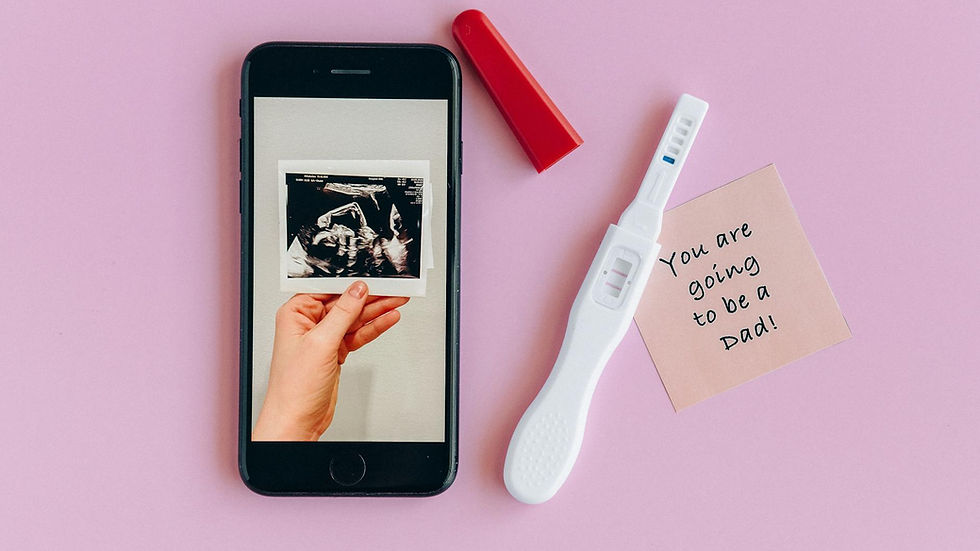
The journey toward parenthood through assisted reproduction, particularly at-home insemination, requires diligence, precision, and meticulous follow-up care. While selecting the highest quality tools, such as those provided by MakeAmom, sets a strong foundation, the critical period immediately following the procedure often dictates success. Many individuals focus intensely on the timing of ovulation and the insemination itself, but overlook the crucial phase that bridges that moment with the confirmation of pregnancy. Maximizing success hinges not just on the technique, but on the environment and habits cultivated in the subsequent two weeks. This comprehensive guide outlines the best practices for post-insemination care for pregnancy to optimize your chances of a positive outcome.
Establishing the Optimal Post-Procedure Environment
The goal immediately following at-home insemination is to create a biological calm that supports implantation. While medical evidence is mixed on specific restrictive activities, adopting a mindset of gentle self-care and minimizing unnecessary stress proves beneficial for overall hormonal balance. This care is paramount when seeking the best way to get pregnant with home insemination.
Immediate Post-Insemination Protocol
What you do in the first hour after insemination can influence the environment sperm have to travel. While gravity is not the sole determinant of success, providing a receptive environment matters.
Rest in a reclined position: Remain lying down, preferably with hips slightly elevated (using a small pillow under the lower back), for 15 to 30 minutes. This minimizes the immediate retrograde flow of the semen sample.
Minimize physical exertion: Avoid strenuous activity, heavy lifting, or vigorous exercise immediately after the procedure. Gentle walking is fine, but high-impact activities should be postponed.
Maintain internal warmth: Ensure the pelvic area remains comfortable and warm, avoiding prolonged exposure to extreme cold.
Lifestyle Adjustments for Implantation Support
The two-week wait (TWW) is notoriously challenging, but consistent healthy habits significantly bolster your body’s readiness for embryo implantation. These adjustments focus on reducing inflammation and supporting hormonal stability.
It is essential to understand that precise timing remains crucial even after the procedure. For readers who want to ensure their previous timing was maximized, reviewing resources such as Track Ovulation: Boost At-Home Insemination Success can reinforce earlier efforts.
Hydration and Nutrition: Focus on a nutrient-dense diet rich in folate, Vitamin D, and Omega-3 fatty acids. Consistent hydration supports cervical mucus quality and overall cellular health.
Stress Mitigation: High levels of cortisol (the stress hormone) can negatively affect implantation pathways. Incorporate light activities like prenatal yoga, meditation, or deep breathing exercises.
Substance Avoidance: Strictly abstain from alcohol, smoking, and recreational drugs throughout the TWW. Caffeine intake should be moderated, adhering to generally accepted limits (usually under 200mg daily).
Managing Medications and Supplementation
For those undergoing fertility treatments, understanding how current medications interact with the post-insemination phase is critical. Always consult your physician, but general guidelines can support an optimal uterine environment.
The Role of Progesterone Support
If advised by a healthcare provider, progesterone supplementation often begins shortly after ovulation or insemination to support the uterine lining (endometrium) and sustain a potential early pregnancy. Progesterone helps thicken the lining, making it receptive to implantation. If you are unsure about your medication schedule, medical consultation is non-negotiable, as improper timing of certain hormonal supports can be counterproductive.
Gentle Movement vs. Strenuous Activity
A common query involves exercise. While intense, prolonged cardiovascular workouts can potentially divert blood flow away from the pelvic region, moderate activity is generally encouraged for circulation and mental well-being. Think of this period as nurturing, not training. Continuing regular, gentle movement-like walking or swimming-is usually beneficial, supporting circulation without causing undue physical strain.
Understanding the Two-Week Wait (TWW) Effectively
The TWW is the period between insemination and when a pregnancy test can reliably detect the pregnancy hormone, Human Chorionic Gonadotropin (hCG). Patience and adherence to testing guidelines are key components of successful post-insemination care for pregnancy.
Avoiding Premature Testing
Testing too early is one of the most common causes of emotional distress during the TWW. Home insemination kits, particularly those utilizing donor sperm collected and prepared for optimal delivery like those offered by MakeAmom, aim for high efficacy; however, biological processes take time. Testing before 10 to 14 days post-insemination can lead to false negatives, as hCG levels may not yet be high enough for detection, even if conception has occurred.
If you are meticulous about the initial steps, such as ensuring optimal timing via thorough ovulation tracking, you are already ahead. For guidance on ensuring that initial phase was perfect, reviewing guides like Optimize Timing: Self Insemination Kits to Get Pregnant Fast offers valuable context for this TWW period.
When to Seek Guidance: Red Flags and Next Steps
While we aim for a successful outcome after every attempt, recognizing when professional medical input is required is part of managing expectations and ensuring safety.
Abnormal Spotting or Pain: Significant, persistent pain or bleeding that differs markedly from normal pre-menstrual symptoms warrants a call to your healthcare provider.
Missed Periods Confirmation: If your expected period date passes and you have a positive home test, contact your doctor to confirm the pregnancy with blood work and schedule initial monitoring.
Preparing for the Next Cycle: If menstruation begins, treat it as a learning opportunity, not a failure. Analyze the timing, ensure the equipment used (like MakeAmom’s re-usable and safe kits) was handled correctly, and prepare for the next cycle by re-evaluating ovulation tracking.
The commitment to detailed post-insemination care for pregnancy transforms this waiting period from passive anxiety into active self-support. By focusing on gentle self-care, maintaining healthy habits, and strictly adhering to medical advice regarding medication and testing, you significantly enhance the conditions necessary for conception following at-home insemination.
Frequently Asked Questions
How long should I rest immediately after at-home insemination?
Experts generally recommend lying down, ideally with hips slightly elevated, for a minimum of 15 to 30 minutes immediately following the procedure. This brief rest period helps minimize any immediate retrograde loss of the semen sample.
Is light exercise safe during the two-week wait after insemination?
Yes, light to moderate exercise, such as walking or gentle stretching, is usually encouraged as it promotes healthy blood flow and reduces stress hormones. Avoid high-intensity or strenuous activities that cause significant jarring or overheating.
When is the most reliable time to take a pregnancy test after home insemination?
The most reliable results are typically obtained 10 to 14 days post-insemination. Testing earlier can result in a false negative because hCG hormone levels may not yet be high enough to be detected by home urine tests.
What role does stress management play in post-insemination success?
Significant stress elevates cortisol, which can interfere with the delicate hormonal balance required for successful implantation. Prioritizing relaxation techniques aids in creating a more receptive internal environment.
By integrating these proactive care steps with high-quality, easy-to-use insemination tools, you are creating the strongest possible foundation for achieving your dream of parenthood swiftly and safely. Consistency in these post-procedure measures is truly the best way to get pregnant with home insemination when aiming for efficiency and success.


